12/09/2021
49th Assembly of the SCTM
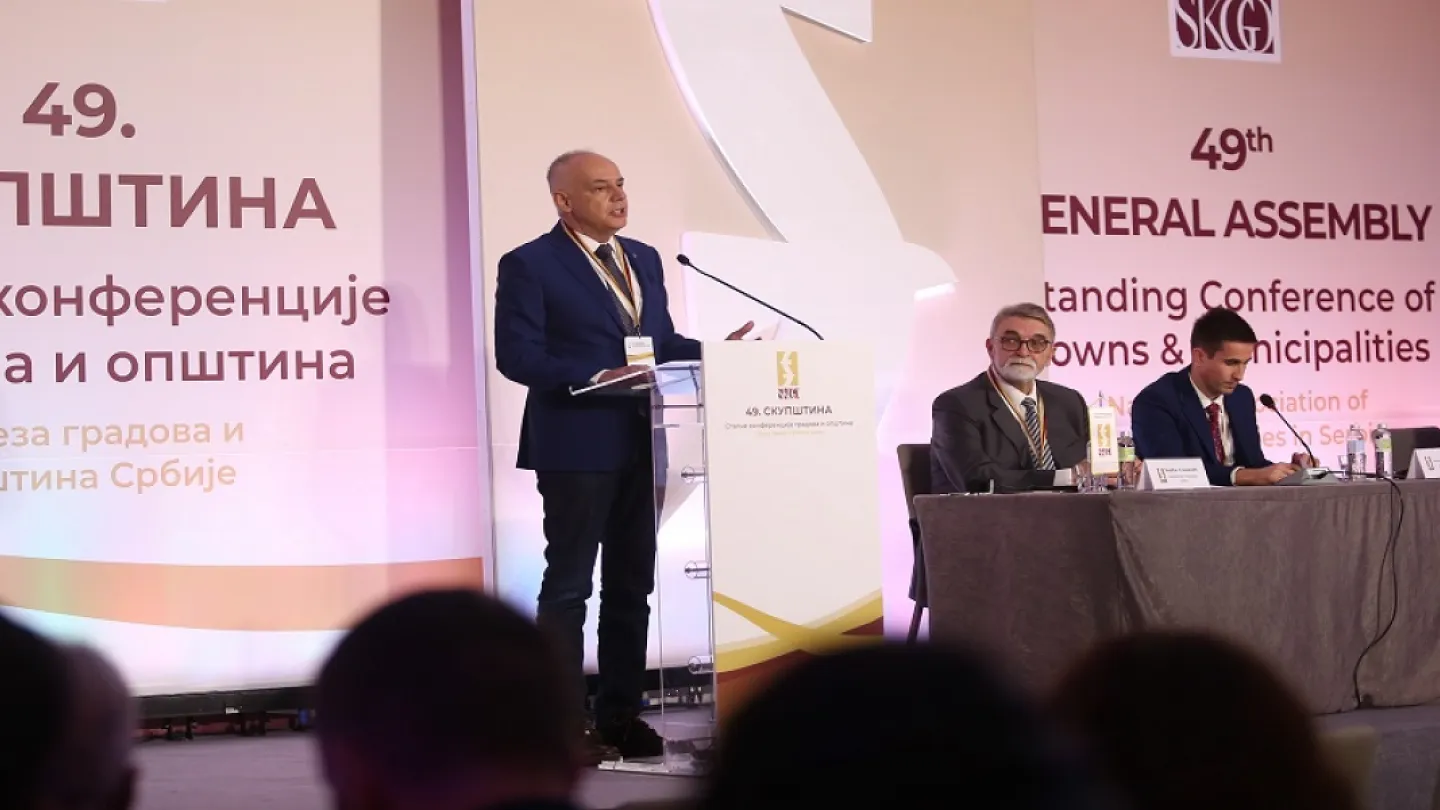
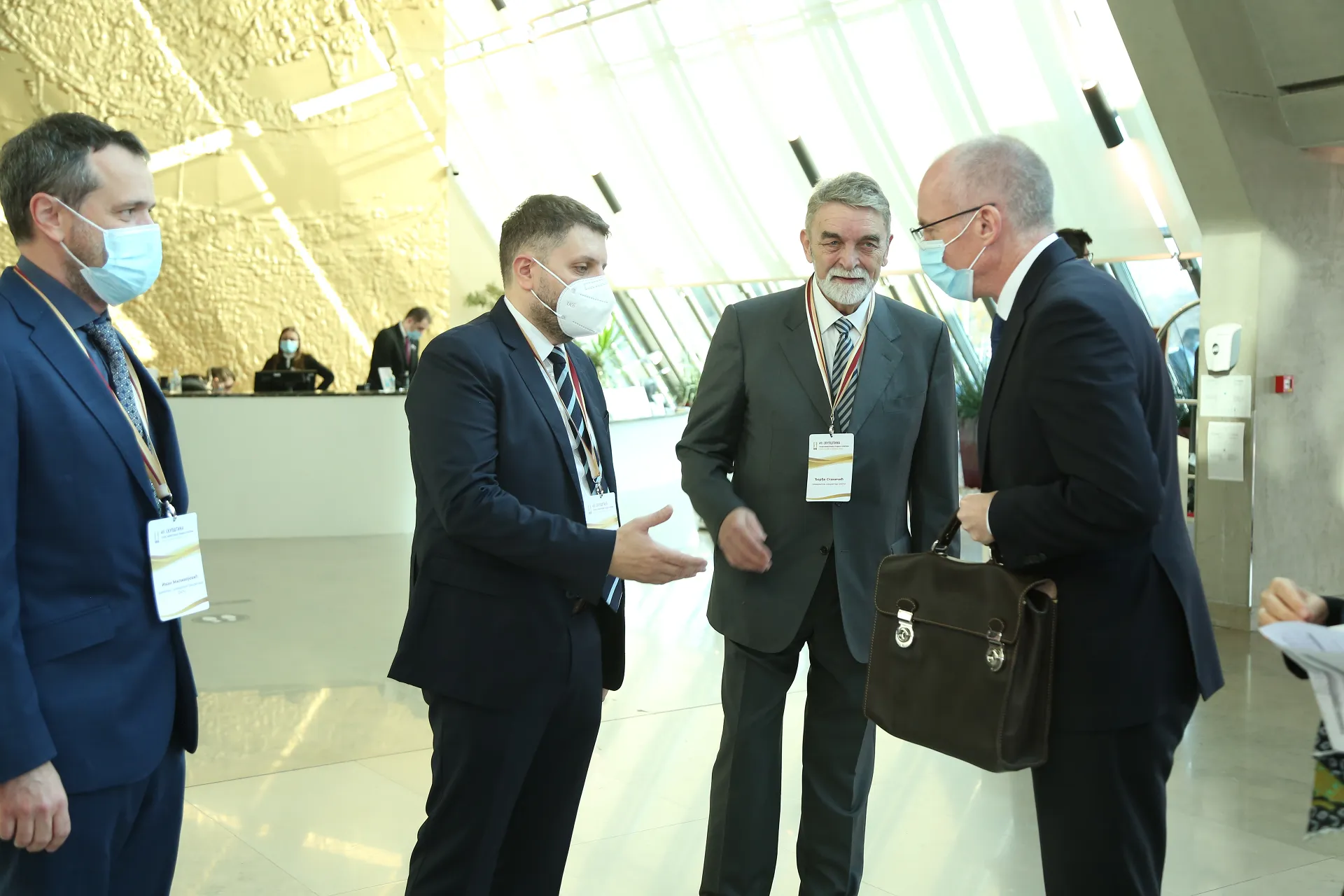
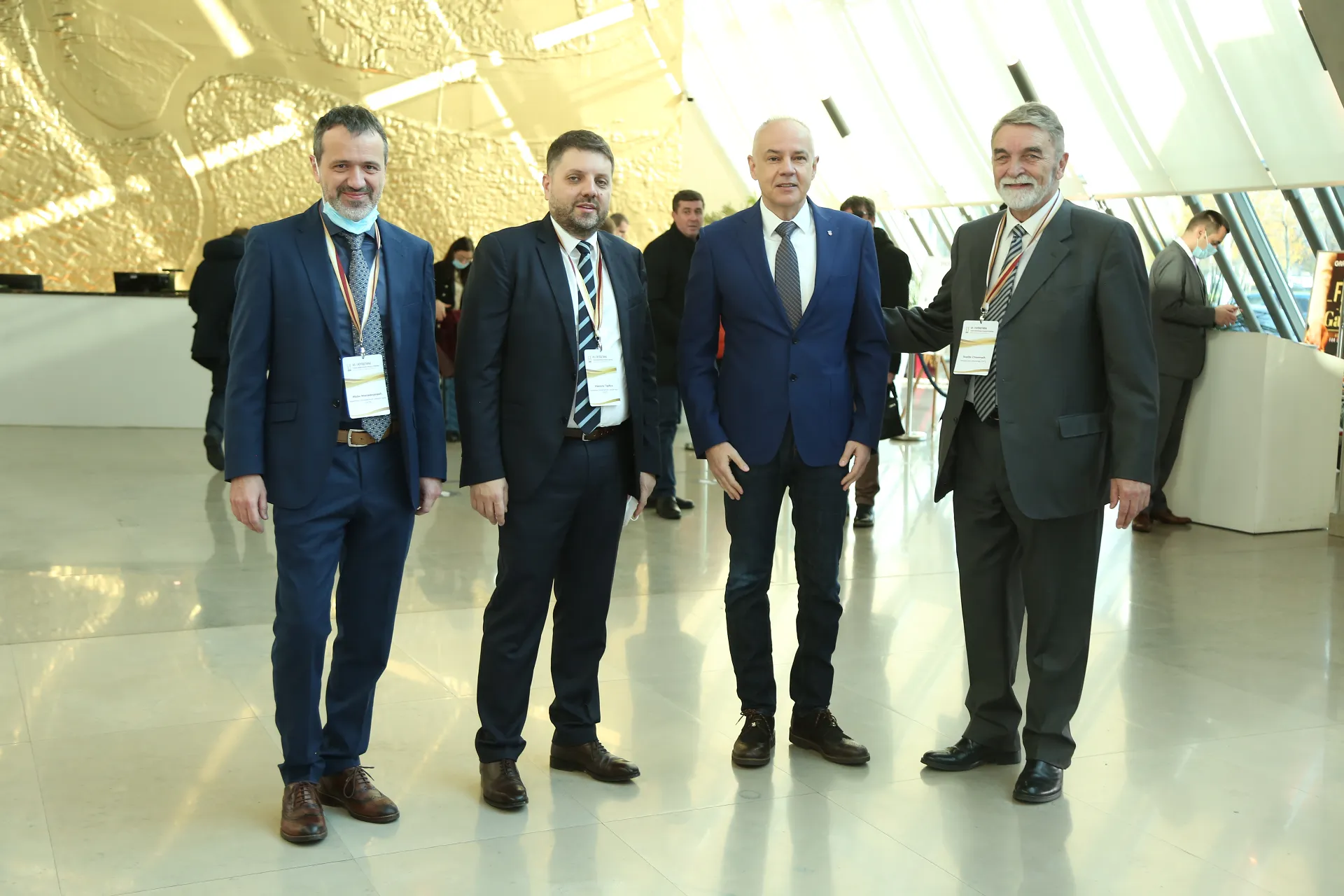
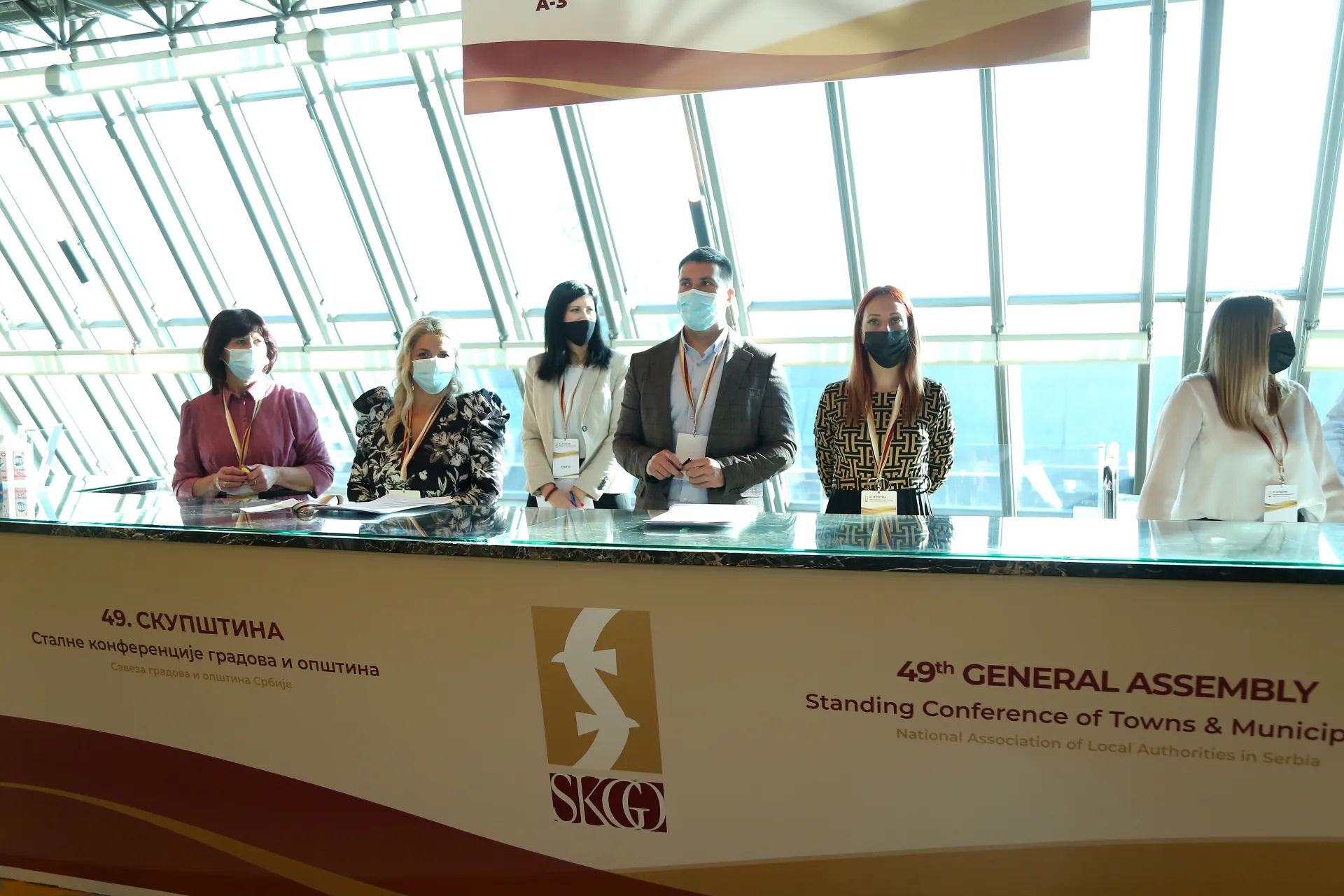
Election of the new leadership, presentation and adoption of the Work Report for 2021, signing of the agreement on the allocation of funds within the project "Initiative for Inclusion Phase 3" and exchange of views on further improvement of local self-governments marked the 49th Assembly of the Standing Conference of Cities and Municipalities. The working title was "Strategic Directions for Strengthening Local Self-Government in the Republic of Serbia". The gathering was held on December 8, 2021 in Belgrade.
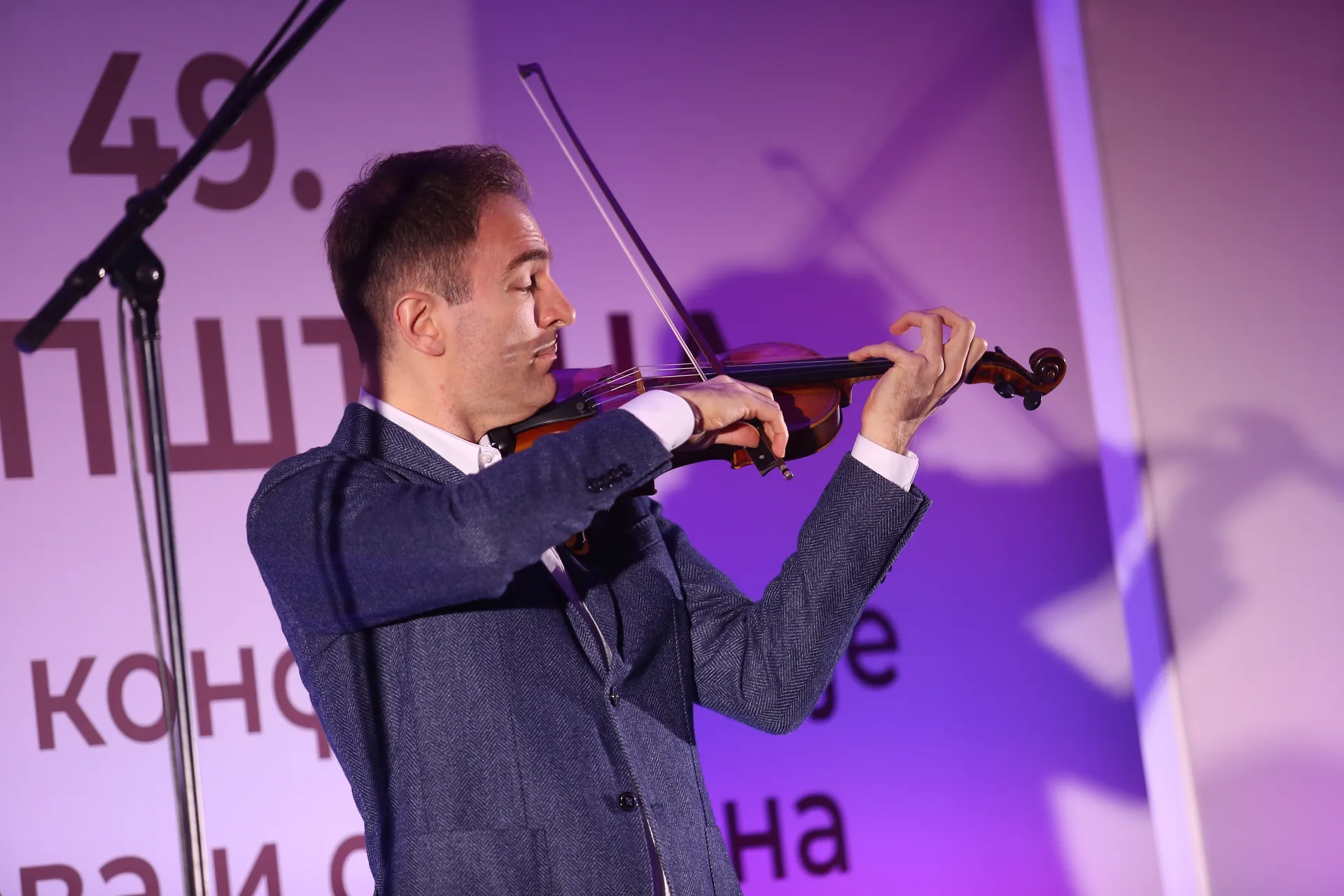
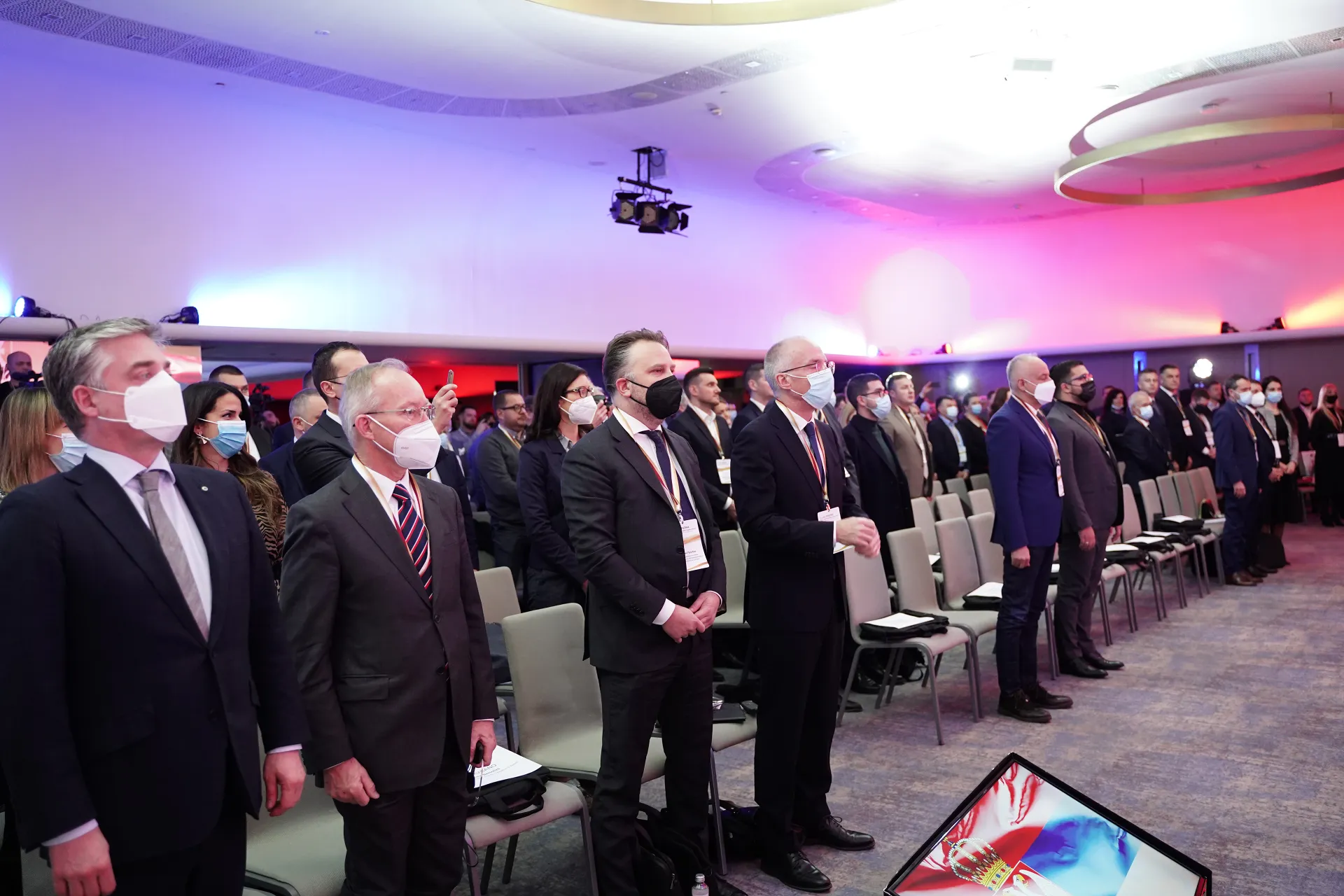
The event began with a small surprise for all participants, with the performance of violinist Stefan Milenkovic, who played the anthem "God of Justice" and one of the works of composer Fritz Chrysler.
In the introductory part, Antonio Ratkovic, President of the SCTM and Mayor of Sombor greeted the representatives of cities and municipalities, the diplomatic corps, as partner organizations, and especially thanked the Government of the Swiss Confederation and the Swiss Agency for Development and Cooperation (SDC) which is, he stated, the great support for years.
THE MAYOR OF BELGRADE STRESSED THE IMPORTANCE OF SCTM SUPPORT
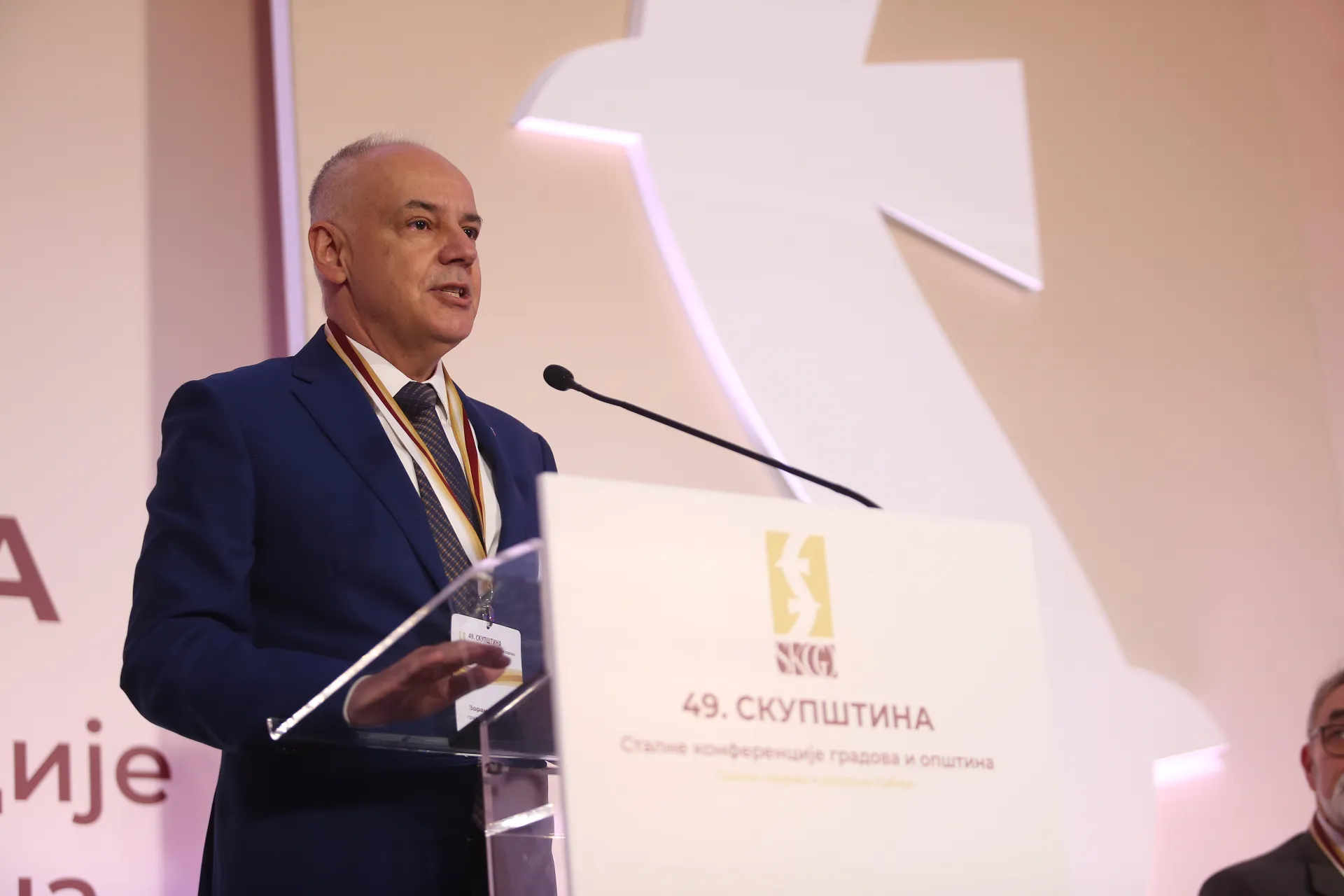
On behalf of the host city, the mayor of Belgrade, Zoran Radojicic, addressed the audience, emphasizing the importance of the support that the Standing Conference of Towns and Municipalities provides to local self-governments in Serbia.
"I thank the SCTM for guiding us and giving solutions and examples of good practice, to exchange, implement, and harmonize them. I came from a world that is not politics and to be honest, I didn't know what the SCTM was doing, but today I understand and I am proud of that cooperation. "Our common goal is for the citizens to live better and for our cities to develop", Radojicic said.
Speaking about the capital's development plans, Radojicic mentioned the importance of cooperation, networking and exchange of examples of good practice, and pointed out transparency in work and rationalization of administration as priorities in order to get closer to citizens and positively affect their quality of life.
Mayor Radojicic pointed out as a very important thing how to take care of the urban development of the capital.
"The challenge is to run the city and connect the old and the traditional, with the urban and the modern, and how to maintain that balance", said the mayor of Belgrade, who emphasized that his vision of the capital is a green city tailored to children.
Commenting on the coronavirus pandemic, the mayor of Belgrade said that digitalization has an important role in this fight and that Belgrade has made a step forward in it and it is believed that other cities and municipalities have done the same, especially when it comes to bringing vaccination closer to citizens.
JEAN-LUC ESH - SKGO IS A BRIDGE BETWEEN LOCAL SELF-GOVERNMENTS
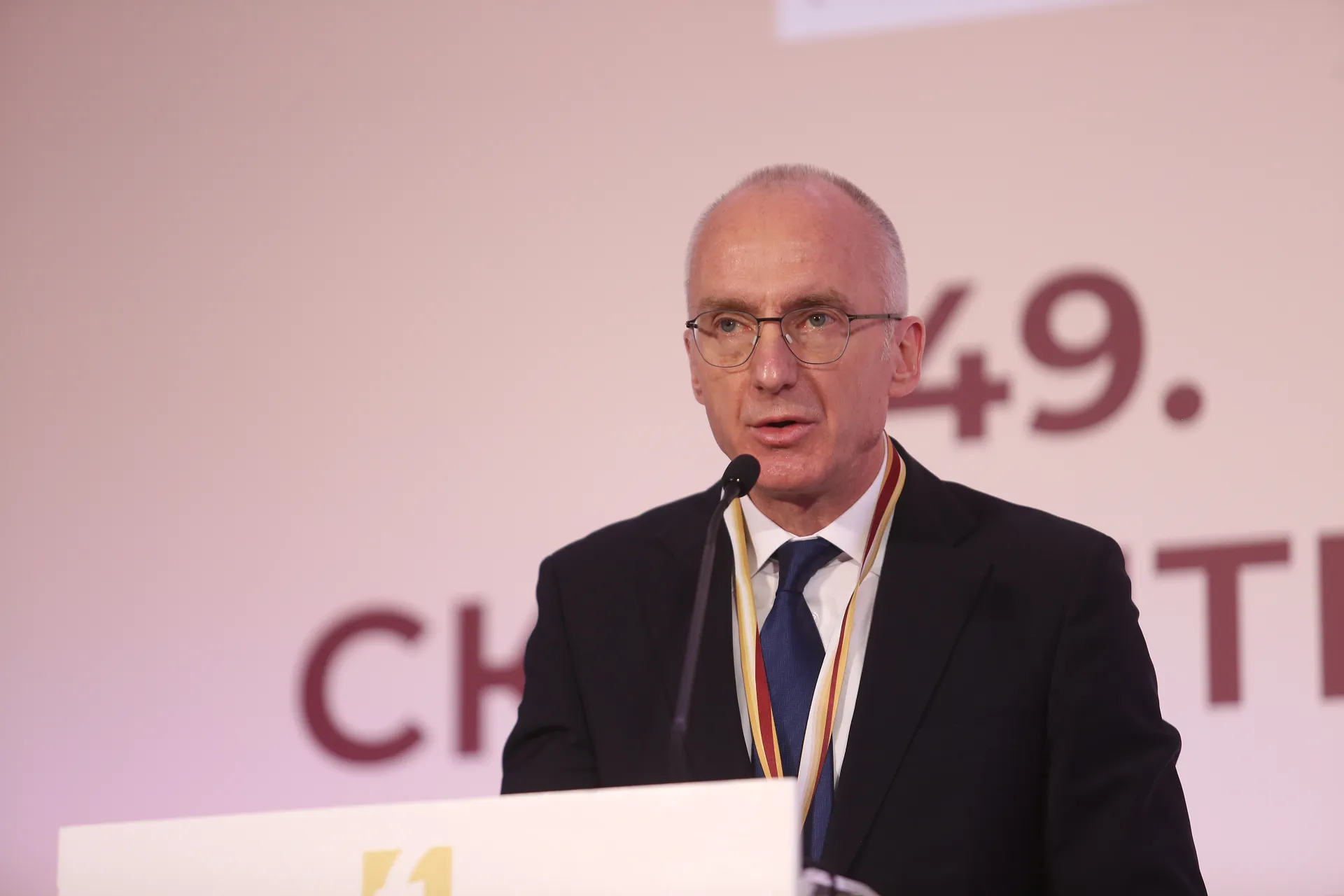
Jean-Luc Esch, charge d'affaires at the Embassy of the Swiss Confederation, pointed out that local self-governments in Switzerland are of essential importance.
"Switzerland supports local self-governments in Serbia and other countries. We have an exceptional cooperation with the SCTM, which is a bridge between local self-governments, other institutions, and the government. That is the way to work, and it is very important to exchange good practice", said Ash.
Ash also announced a new initiative that will be realized in cooperation with the World Bank, and it refers to sustainable green cities. In that sense, he pointed out as important the opening of cluster 4 in the accession negotiations between Serbia and the EU, which is precisely related to the environment.
"A new program is being prepared, which refers to green cities and includes the central and local level until 2025, and also refers to climate change", he said, emphasizing that cooperation with the SCTM has lasted for almost 30 years, with special gratitude to the former Secretary General of the SCTM, Djordje Stanicic, for a great cooperation.
THOMAS SCHIEB - GERMANY SUPPORT WILL FOCUS ON CLIMATE CHANGE
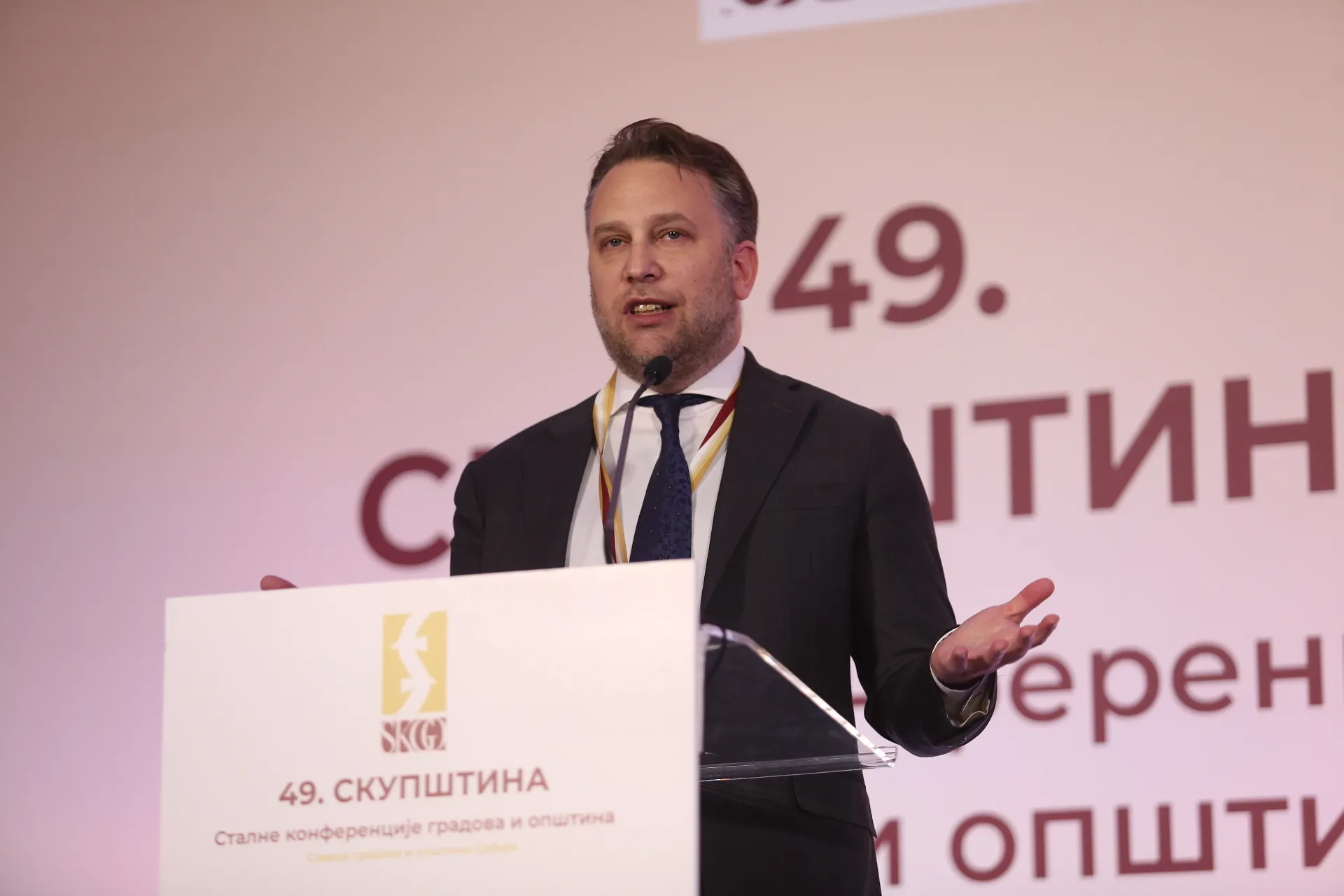
In his welcoming speech, German Ambassador to Serbia Thomas Schieb emphasized the exchange of experiences and knowledge between municipalities, governments and partners, which he said was very important for a better understanding of the challenges facing different regions. Speaking about the projects, he pointed out that the better they are adapted to local self-governments, the more successful they will certainly be.
"That cooperation would not be successful without the partnership with the SCTM, which is one of the key ones for the implementation of projects", he said.
Referring to the support of German development cooperation for Roma and other marginalized groups, Schieb stressed the importance of cooperation with local self-governments within the project "Inclusion Initiative", which began its third phase with the signing of the Cooperation Agreement at the 49th Assembly of the SCTM.
"We are also signing an agreement with 10 municipalities, together with GIZ and the Ministry of Human and Minority Rights and Social Dialogue, in order to support municipalities that work on the employment of members of minority groups. The project started in 2017 and within it, more than 500 people got jobs", said Schieb.
He also stated that in this way, more than 1,800 people received various types of support, that 1,400 families were supported in previous years, and that more than 35,000 aid packages were distributed to these vulnerable groups during the pandemic.
"Thanks to the municipalities for the excellent cooperation. It is important to continue with projects such as the inclusion of marginalized groups. The Roma community is vulnerable, at high risk of poverty. "There is no opportunity for education and employment, and we continue to support in that direction", said Schieb.
He stated that phase 3 of the GIZ program continues, and he hopes for successful cooperation. He thanked the local self-governments, the competent ministries and the SCTM, which is the implementing partner of GIZ on this project.
The Report on the work of the SCTM for 2021
Antonio Ratkovic, President of the SCTM and Mayor of Sombor, presented the Report on the Work of the SCTM for 2021 during the Assembly session.
He stated that during 2021 were held four sessions of the Presidency, two Supervisory Board sessions, 17 meetings of different networks, 13 sessions of the SCTM committees. He also stated that the Network of Secretaries of Cities and Municipalities has been formed, as well as the Network of Employees in European Integration Affairs.
The SCTM has participated in the drafting of numerous national documents, from the employment strategy to the law on climate change, and has worked on 20 strategic documents and regulations in preparation such as the Draft National Housing Strategy, the Draft Law on Circular Economy, the Draft Law on Social entrepreneurship, land consolidation ... ", he stated.
Analyzes of the situation have been prepared, i.e., performance assessments in the areas of good governance, human resources management, local finances, tax administration...
Speaking about the trainings, he points out that there were 12 of them at the national level, that 68 webinars were held, and that almost 2,000 participants from local self-governments who will receive national certificates were trained in that way.
Workshops and webinars were also organized, 72 of them, so that a total of 5,400 employees went through some types of training.
"Next year we can expect a large number of educational programs for local authorities. More than 60 packages of support for local self-governments have been implemented, in order to improve services in their field of work. From the administration, through public property management, environmental protection ... Also, within the three grant schemes, a large number of cities and municipalities were supported, so the EU allocated 3 million euros for public property management, 1,9 million euros was directly allocated for Roma inclusion", stated Ratkovic.
During 2021, dozens of models of local acts were prepared, from various manuals, and professional training was also done. Local self-governments received revised information on 17 laws, and received more than 900 answers via the E-question service.
"The international cooperation of the SCTM was characterized by providing support to the participation of the Serbian delegation in the Congress of Local and Regional Authorities of the Council of Europe, then in the activities of the Council of European Municipalities and Regions, as well as in the activities of NALAS. Support was also provided to the representatives of the national delegation in the Joint Consultative Committee of the EU-Serbia Committee of the Regions. Continuous bilateral cooperation was established with other associations of local authorities, support was provided to cities and municipalities in the twinning process, and cooperation with the Embassy of France continued", said Ratkovic.
He pointed out that the SCTM was actively involved in the preparatory process for the introduction of cohesion policy in the Republic of Serbia, as well as in the process of programming IPA cross-border programs for the new financial perspective for 2021-2027, as well as the formation of the Network of employees for European integration.
Visibility in the media and social networks was also worked on, so that the SCTM Twitter account has 4,400 followers, Facebook visits about 9,000 visitors a month, 1,450 articles were published in the media, 80 times the organization appeared on television, and a traditional journalistic competition was organized.
When it comes to partners, very good cooperation was emphasized with the EU, the Government of Switzerland, Sweden, Germany, Slovakia, the Council of Europe, UNDP, UNOPS, OSCE, the Government of Serbia and line ministries.