06/03/2021
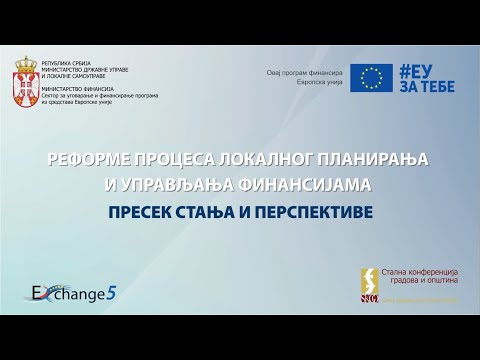
Reforms of the local planning and financial management processes - cut-off and perspectives
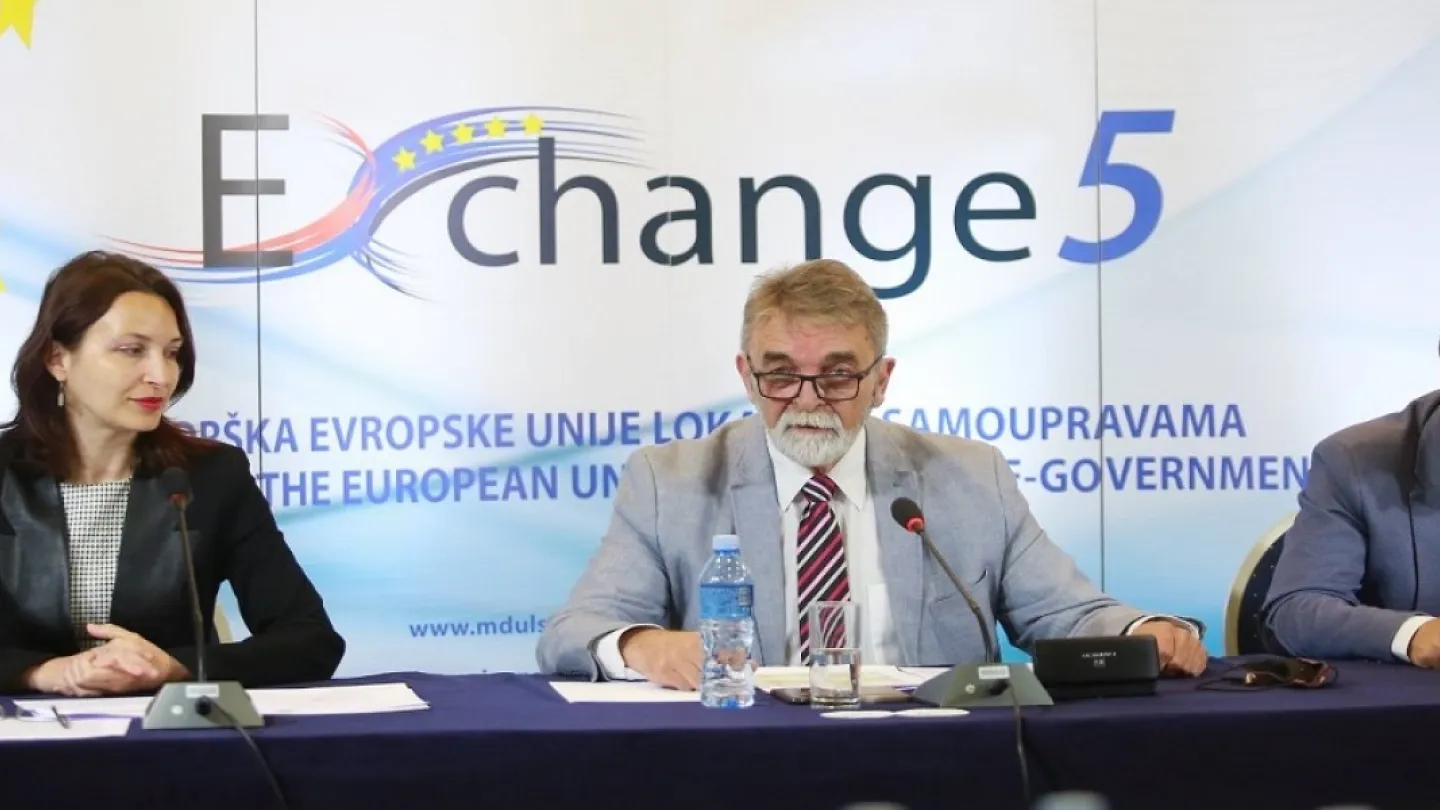
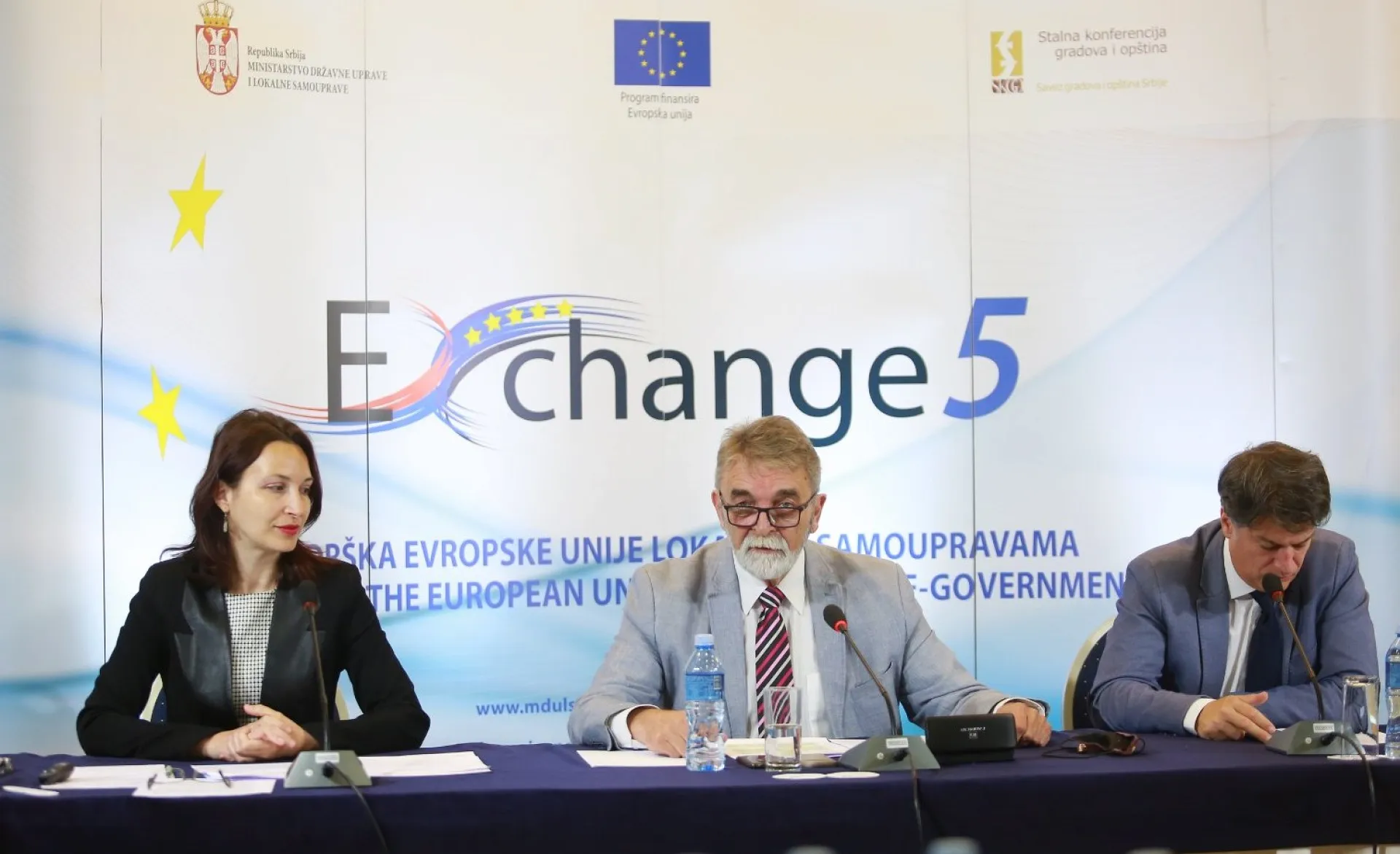
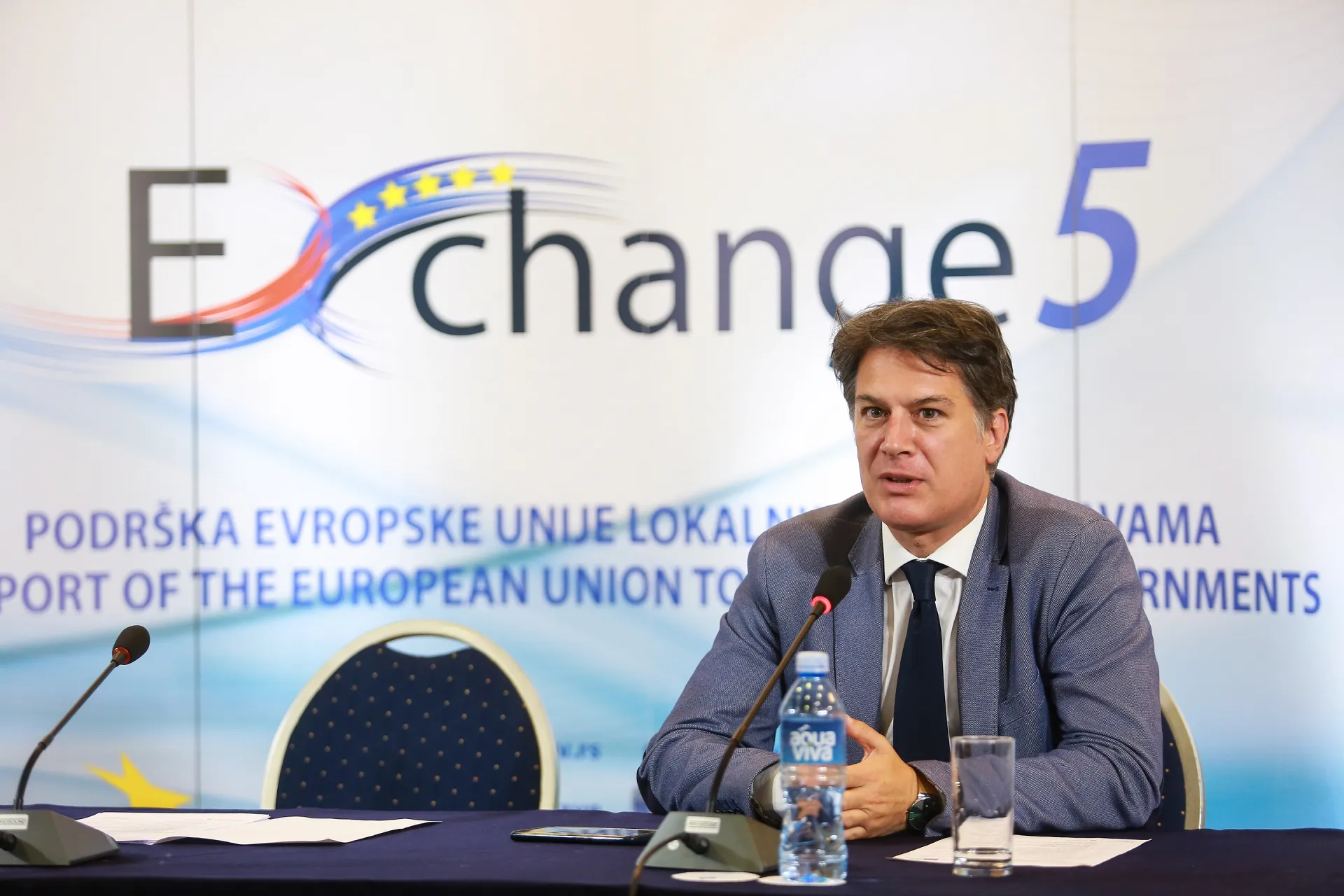
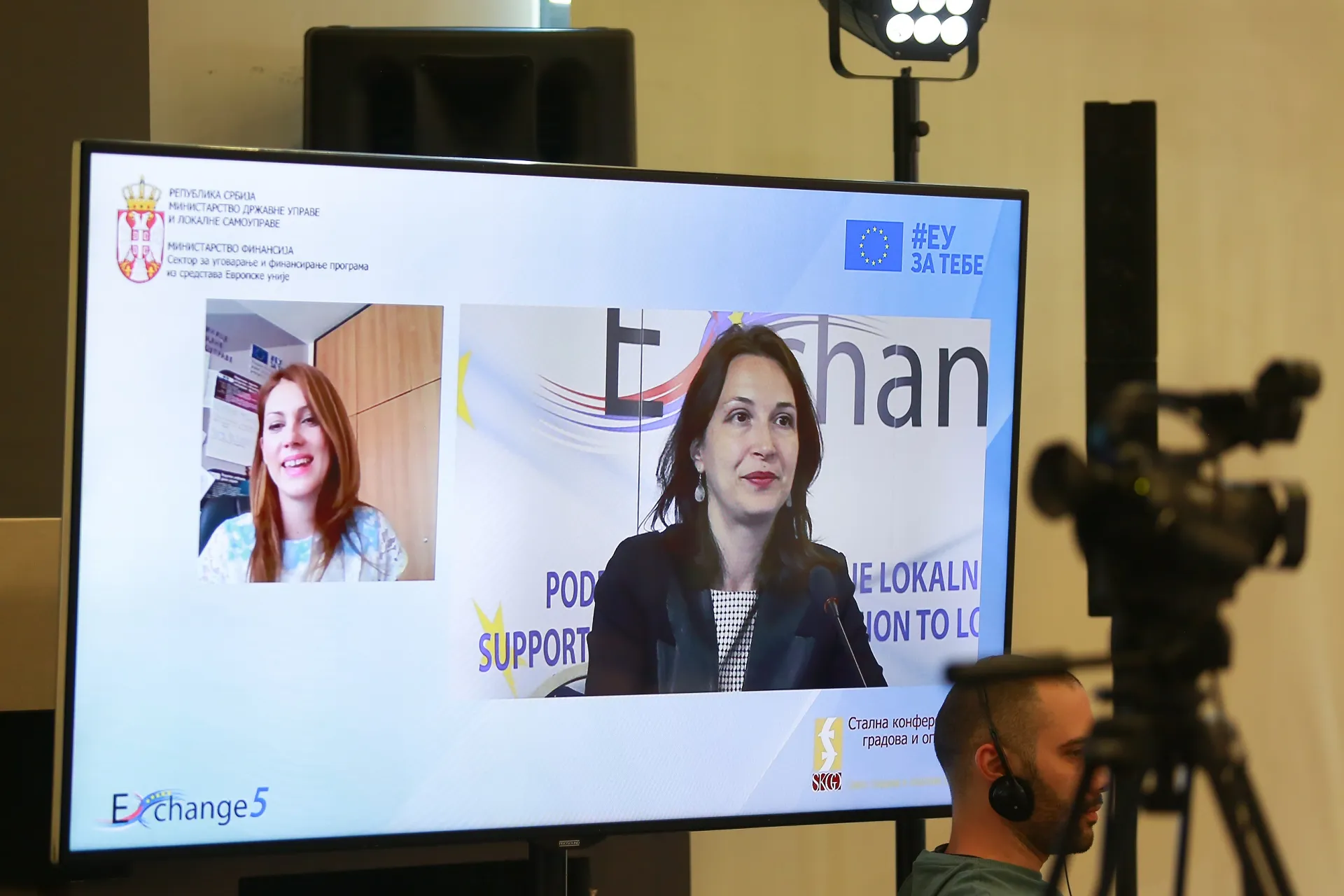
An online conference dedicated to the reform of the planning and financial management processes in local government in the Republic of Serbia was delivered in 2 June 2021. The event was organised within the Exchange 5 Programme funded by the European Union, and implemented by the Ministry of Public Administration and Local Self-Government (MPALSG), Ministry of Finance (MIFN)- Department for Contracting and Financing of EU- funded Programmes and Standing Conference of Towns and Municipalities (SCTM).
The conference was organised in the period relevant for establishing a new planning framework for the public administration reform (PAR) at all levels of government in the Republic of Serbia. The new PAR Strategy for the period 2021- 2030 adopted in April this year via a broad participatory process continued by supporting Reform Programmes in the domain of the local government system, public finance management and public policy management. The purpose of the conference was to provide some kind of a cut-off based on the up-to-date information from the ongoing planning processes and stress reform processes relevant for local governments.
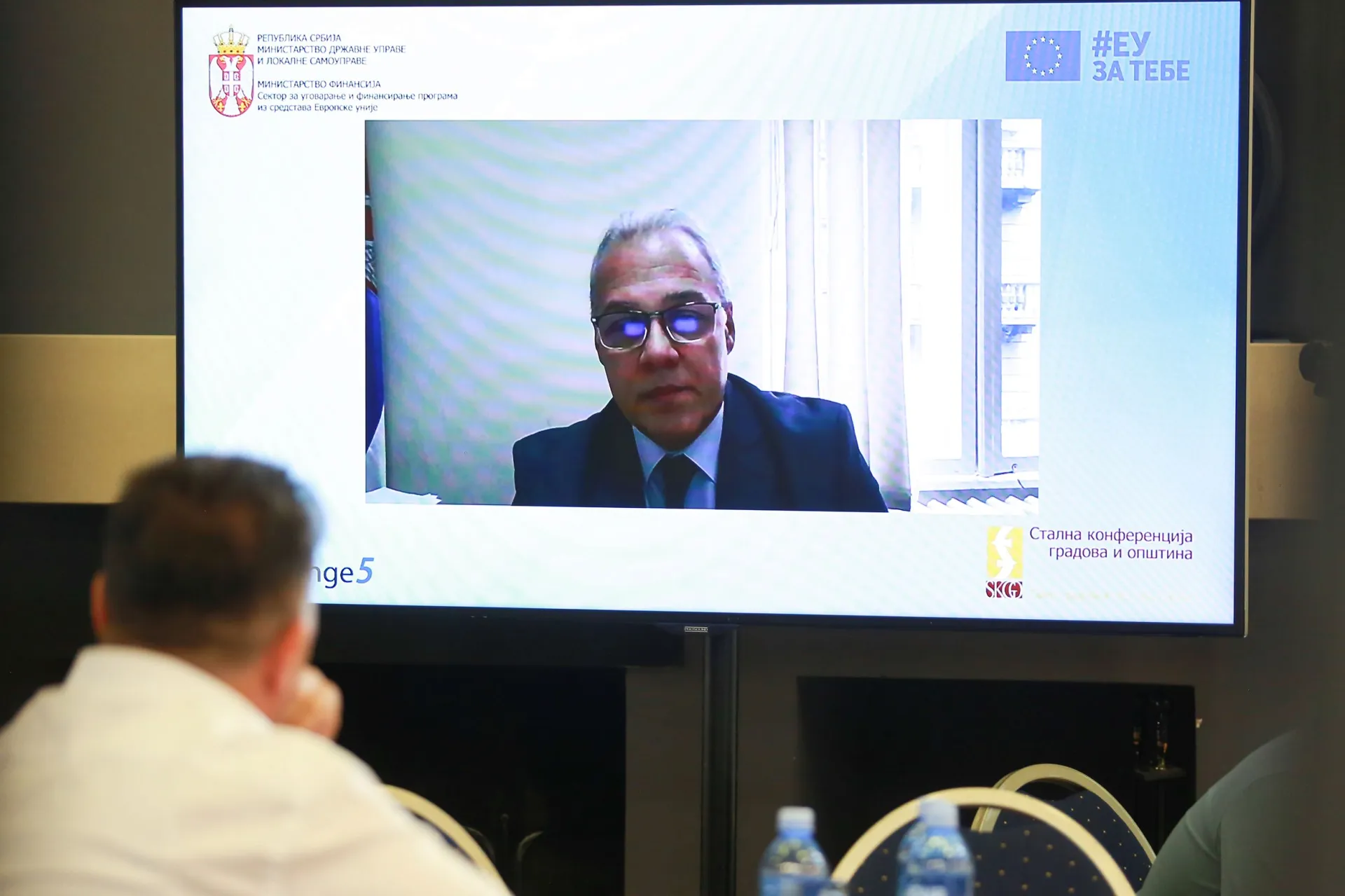
In the opening part of the conference, Saša Mogić, assistant minister of public administration, presented the draft Local Government System Reform Programme, a document compiled along with the Public Administration Reform Strategy of the Republic of Serbia.
“The Local Government System Reform Programme is a planning document drafted for the first time in the Republic of Serbia, developed by the joint efforts of the Ministry and SCTM. Our intention was for this document to cover all areas relevant for local governments and that is exactly what makes it different compared to the sector strategies or development programmes”, said Mogić.
Mr. Mogić emphasised that the Reform Programme had four objectives, the first being the position and responsibility of the local government including numerous activities pertaining to the European Charter of Local Self-Government, activities related to citizen participation, with a special focus on the introduction of good governance principle and oversight system.
In his words, second objective related to the local government finance system, including identifying needs for legal framework amendments during the Programme implementation phase, aimed at sustainable and adequate financing of local governments for all tasks and competences set forth in the law. The reforms in this area would imply further work on enhancing LSG accountability in revenue collection, budget planning, financial discipline improvement, enhanced level of cooperation with citizens, firmer links between the mid-term planning and programme budget and increased transparency of data in local budgets.
As the third objective, he stressed improving LSG organisation and capacities which requires an analysis of overlaps in competences to be achieved, conclusions on the needs of implementing change in legislative framework in terms of rounding up certain tasks at local government level, same as evaluation of technical capacities of local governments for the delivery of delegated and transferred tasks.
The fourth objective implied quality and accessibility of services provided by local administration authorities, institutions and enterprises, and within this objective we will continue working on further simplification of administrative procedures, further e- government development, we will examine the situation in the local government and local utility companies service delivery domain”, Mogić concluded.
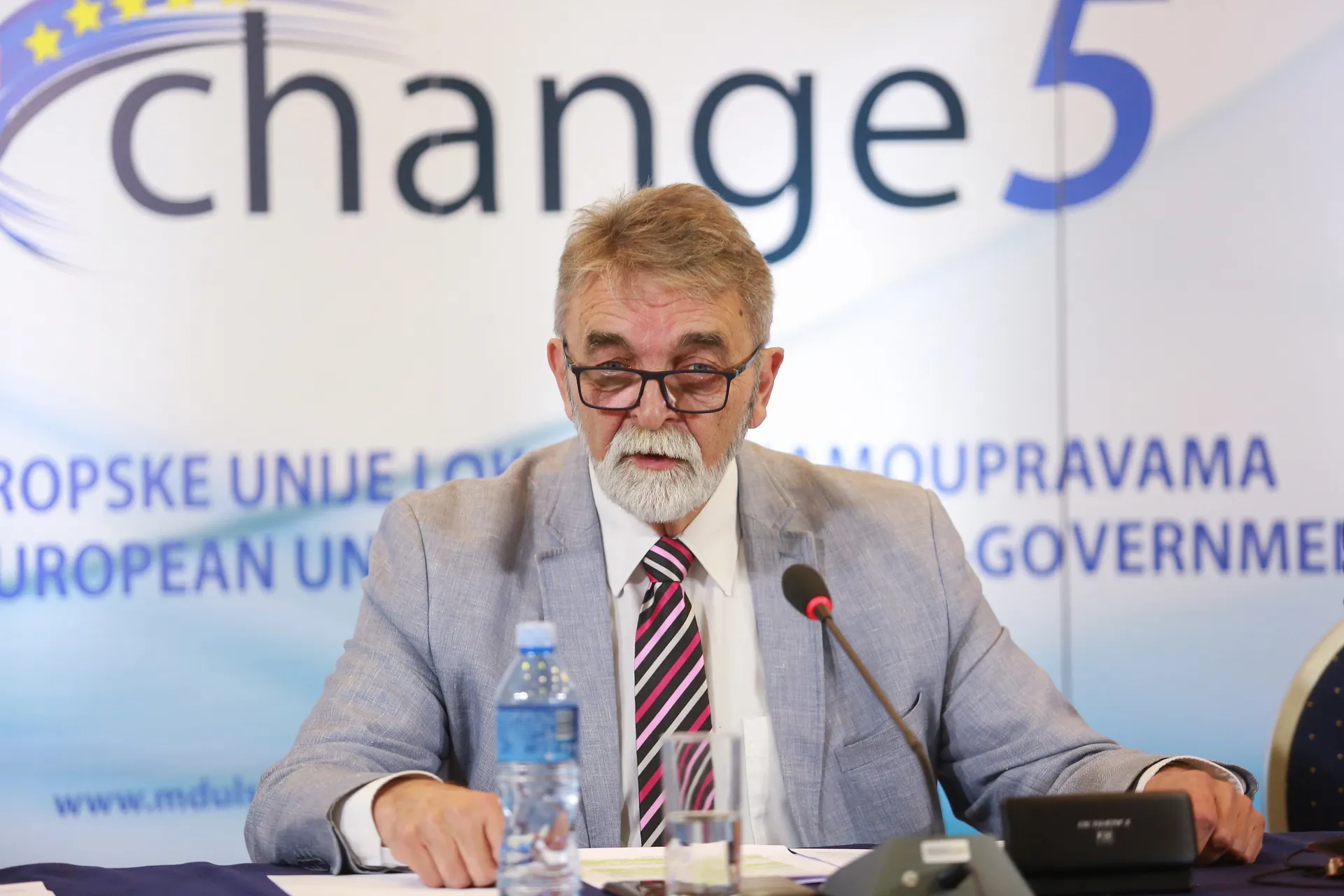
The SCTM Secretary General, Đorđe Staničić, assessed on this occasion that towns and municipalities have successfully mastered the programme budget structure and better focused their financial management towards performance and results. He also pointed out the improved transparency of the budget process, with more massive development of the citizens’ guide to local budgets. He reflected on the amendments to the 2018 Law on Local Self- Government, additionally regulating the processes of public debates on the budget and assessed that openness of local governments for including public into these processes was at satisfactory level. Mr. Staničić clarified that the task of the SCTM was to support local governments on this path, and that he hoped that under the Exchange 5 Progamme and other development cooperation projects, SCTM had managed to justify the trust of the European Union and other donors, by being a high- quality and reliable partner particularly to the ministry in charge of local government and ministry of finance as implementers of these reforms.
He stressed that in this way sound foundations were laid for better positioning of the local government in regard to requirements stemming from the accession process of the Republic of Serbia to the European Union, especially under negotiating Chapters 32 and 22 pertaining to financial control and management, and coordination of structural instruments and funds within the EU regional policy. He added that from international perspective, Serbia’s active participation in the implementation of the United Nations 2030 Agenda for Sustainable Development was of special importance, with a special focus on localisation of this global framework; in other words- implementation of Sustainable Development Goals in towns and municipalities.
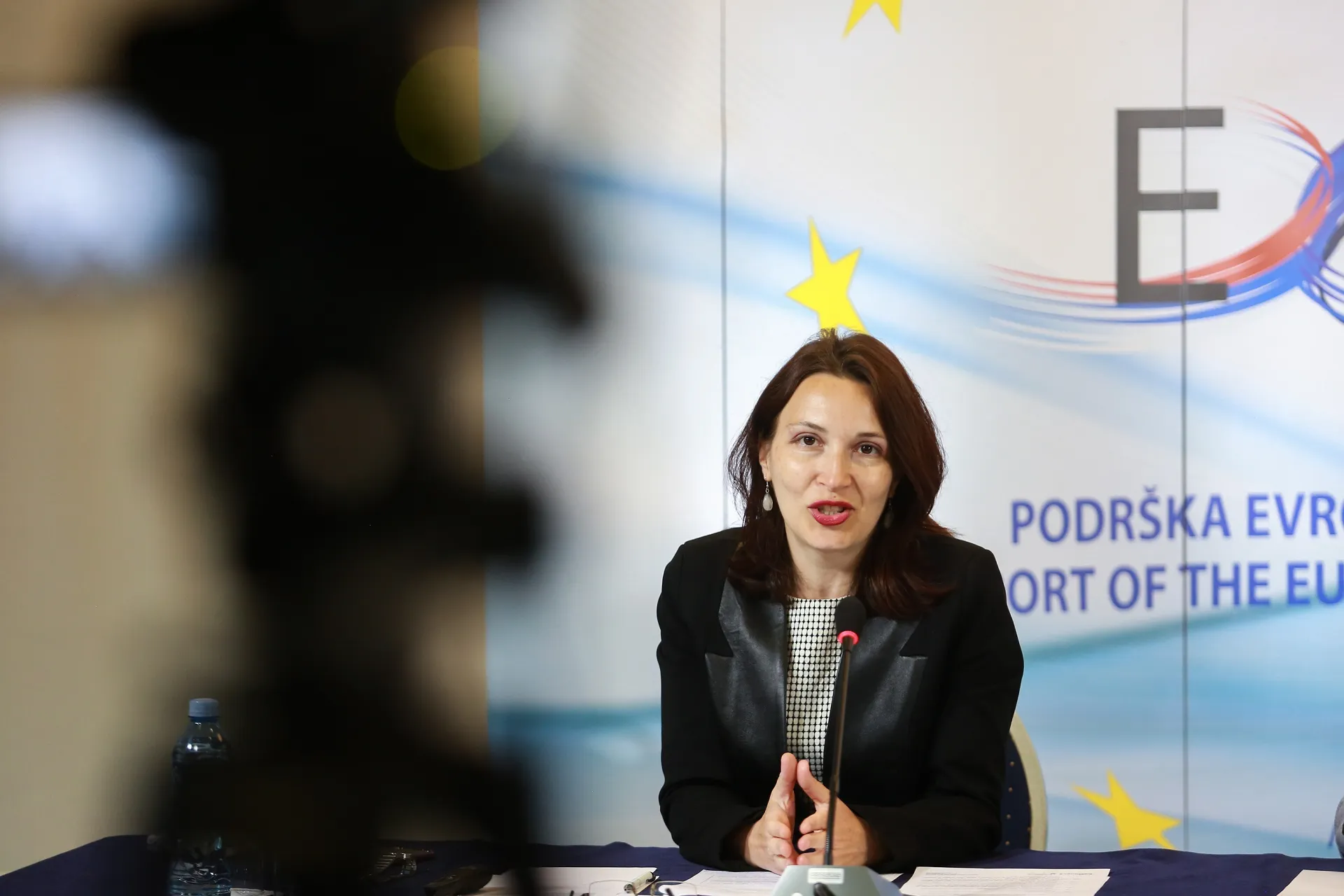
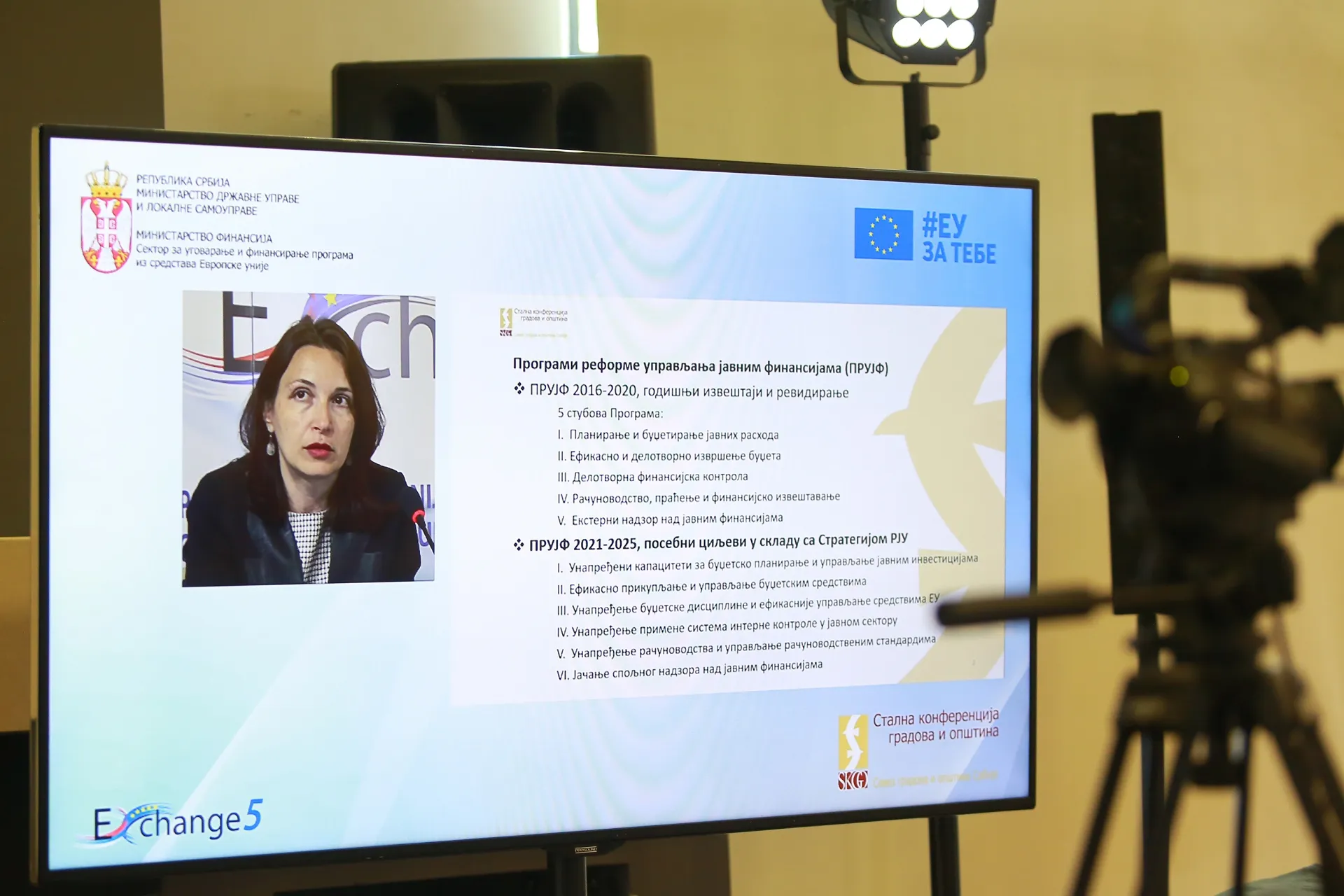
An item on the agenda referring to public financial management at local level was presented by Milena Radomirović, SCTM programme director for planning system and public finance. The results of the Public Financial Management Reform Programme (PFMRP) for the period 2016- 2020 were briefly presented, with an emphasis on the areas of special relevance for local governments- planning and budgeting of public expenditures and effective financial control. The key achievements were placed in the context of the successfully implemented fiscal consolidation and overcoming consequences of the COVID- 19 pandemic for citizens and economy. This was followed by presentation of the planned reform objectives and measures contained in the draft PFMRP for the new planning period 2021- 2025, additionally elaborated through support activities envisaged under the draft LSG System Reform Programme. In that sense, the upcoming analysis of the uniform budget structure by the Ministry of Finance was pointed out, same as the analysis and improvement of legal and methodological framework for capital projects’ management, and further support to capacity building of towns and municipalities announced for improved quality of programme and capital budgeting, improved reporting on programme performance, budget transparency and gender responsive budgeting. Concerning internal control in public sector, plans were presented pertaining to the analysis of implementation and improvement of the legal and methodological framework for beneficiaries of public funds at all government levels, strengthened orientation towards managerial accountability, and support to towns and municipalities in the domain of financial management and control and internal audit.
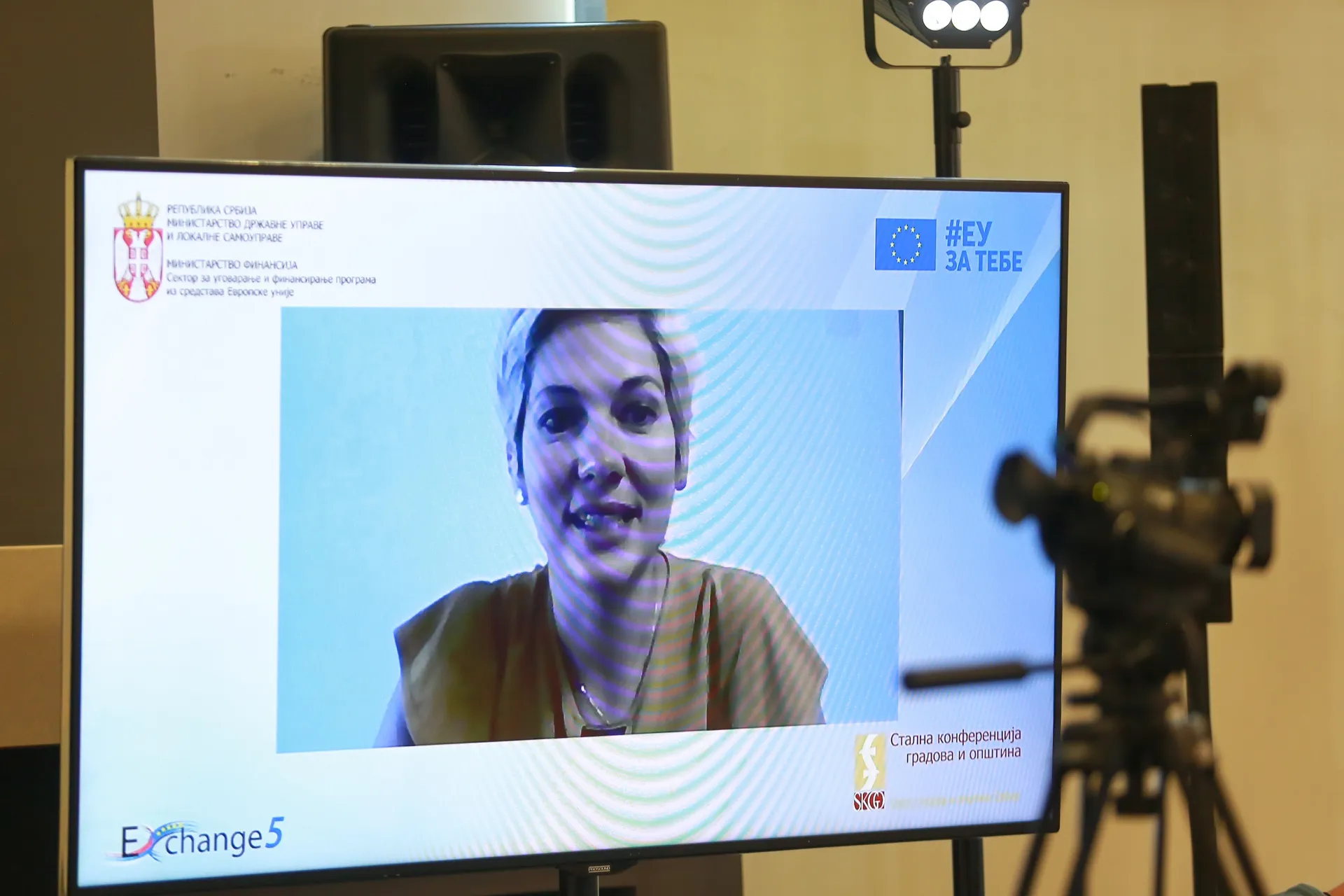
Ivana Vukašinović, assistant director of the Public Policy Secretariat (PPS) talked about the importance of consultation processes in drafting local government development plans and mid-term development plans.
She underlined that adoption of the Planning System Law had set a general approach and considerably regulated the planning system concept.
“Implementation of this Law should enable establishing an efficient, transparent, coordinated and realistic planning system in the Republic of Serbia at all government levels”, stated Vukašinović.
In her words one of the key tasks of this legislative solution was to eliminate a range of deficiencies in the planning process in the Republic of Serbia, such as: unclearly defined objectives and measures in the public policy documents, overlapping and unharmonised planning documents, unpredictability of effects of the planned measures, insufficient harmonisation of planning with the budget drafting process, insufficient transparency in budget planning, etc.
Vukašinović stated that the PPS established the LSG Analytical Service as support for the more reliable situational analysis aimed at passing public policies and bylaws under the competence or of interest for local governments.
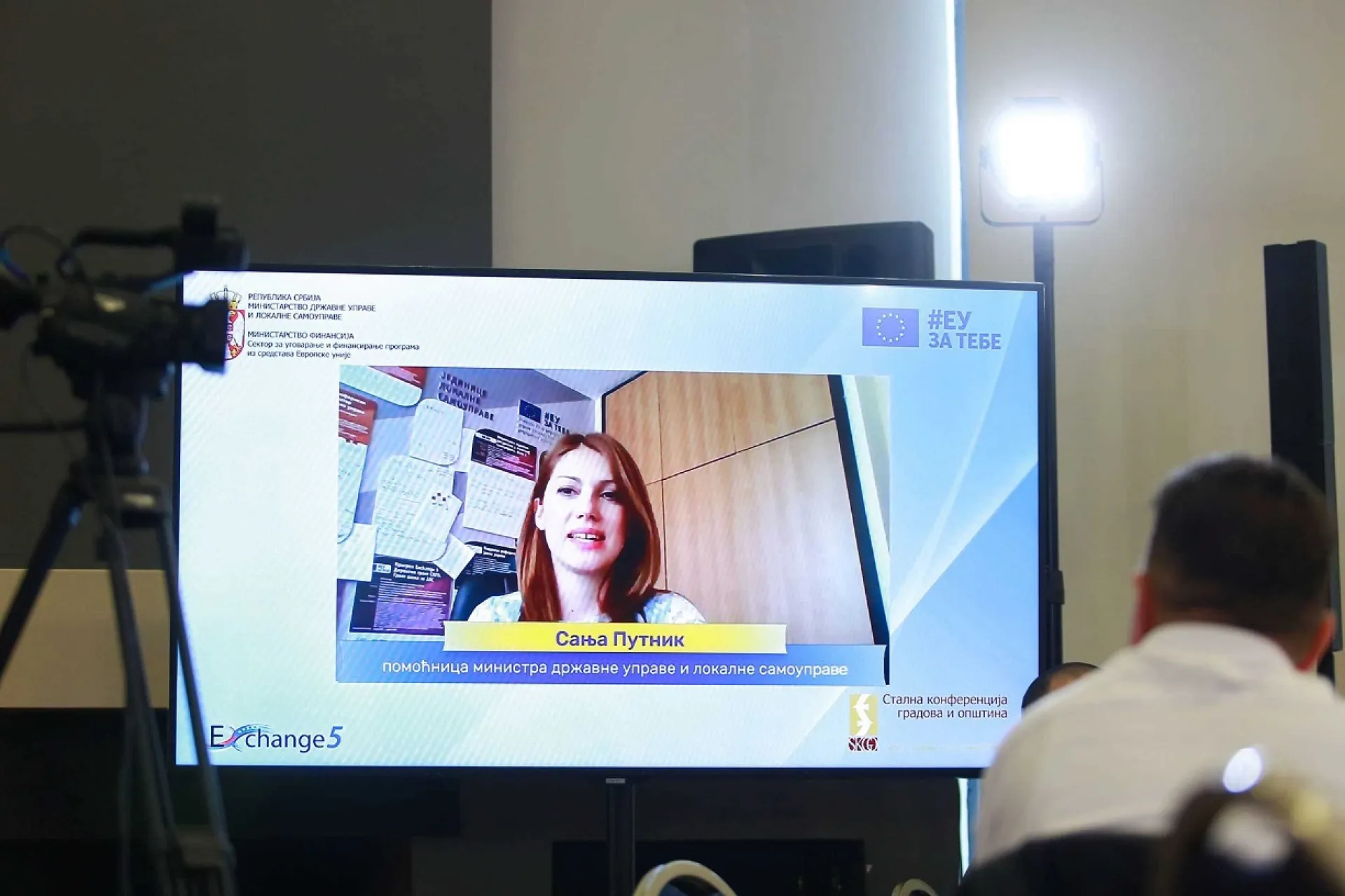
Sanja Putnik, assistant minister of public administration and local self-government talked about the Exchange 5 Programme and other development cooperation projects serving reform processes. In her speech, she highlighted the systemic importance of sector budget support of the European Union to the Republic of Serbia in the public administration reform domain, but also complementary interventions of the EU and other development partners in these areas.
“The public administration reform has been continuously in focus of the Government work since 2004, which was continued this year as well when the Government adopted new Public Administration Reform Strategy 2021-2030, representing a fundamental strategic framework for public administration planning, but also a framework for donor support planning”, said Putnik.
She pointed out that administrative capacities of the public administration reform represented one of the basic preconditions in the European integration process, since without adequate administrative capacities, reforms in all areas could not be implemented in a satisfactory manner. The Strategy is an umbrella document including three action plans in the areas of human resources management, service delivery, accountability and transparency, same as three programmes: on public policy planning and coordination, public financial management and in the area of the local government system reform.
“The vision of the Strategy is the administration tailored for all of us, reflecting the process of shifting focus from administration as a regulator, towards the administration as a service oriented towards citizens and other beneficiaries”, pointed out Sanja Putnik and added that the final goal of the process was to implement transformation and improved operation of the administration so it could become a modern service for citizens and economy.
Sanja Putnik stressed the important role of donors, given that support provided in that way to the administration led to synergy resulting in specific outcomes, improved quality of life of citizens and facilitated operation of businesses. In her words, the Ministry was participating in several projects financed by the European Union funds as a leading donor in this sector, but also by the funds of bilateral donors like Switzerland, Germany and Norway, with the total value exceeding ca. EUR 150 million.
Aleksandar Marinković, head of the SCTM Department on Strategic Planning and Public Policy presented the Analysis of COVID-19 impact on local finance.
The Analysis had shown that the COVID-19 pandemic significantly affected both revenues and expenditures of local governments. The conclusion was that the pandemic affected more local governments depending more on taxes and fees, same as LSGs with a greater share of operating expenditures in total expenditures.
An upward trend in revenues was identified since 2020, with a remark that towns and municipalities had adapted to the newly arisen situation and demonstrated high level of accountability, therefore decline in revenues was accompanied by the decline in expenditures, thus keeping public debt at the same level.
In 2021, a recovery in local government public finance was clearly visible, with expected levels same as prior to the pandemic.
In the closing part of the conference, representative of the Ministry of European Integration supplemented information about the ongoing support provided to towns and municipalities under the EU PRO Plus Programme. In addition, in line with observations of representatives of local governments, approaches were discussed for the current budget rescheduling, which was specific due to referring to financial trends in 2020 which were in the reduced regime due to the measures undertaken to mitigate the consequences of COVID-19. Moreover, the importance of the dialogue with the central government level was underscored in regard to public financial management, importance of activating the work of the Commission on Local Government Finance and demanding nature of the upcoming (as of 2022) transfer of competences for administering tax on the transfer of absolute rights, inheritance and gift- to local tax administrations.