11/10/2023
Thirteenth meeting of the Network for Roma Issues
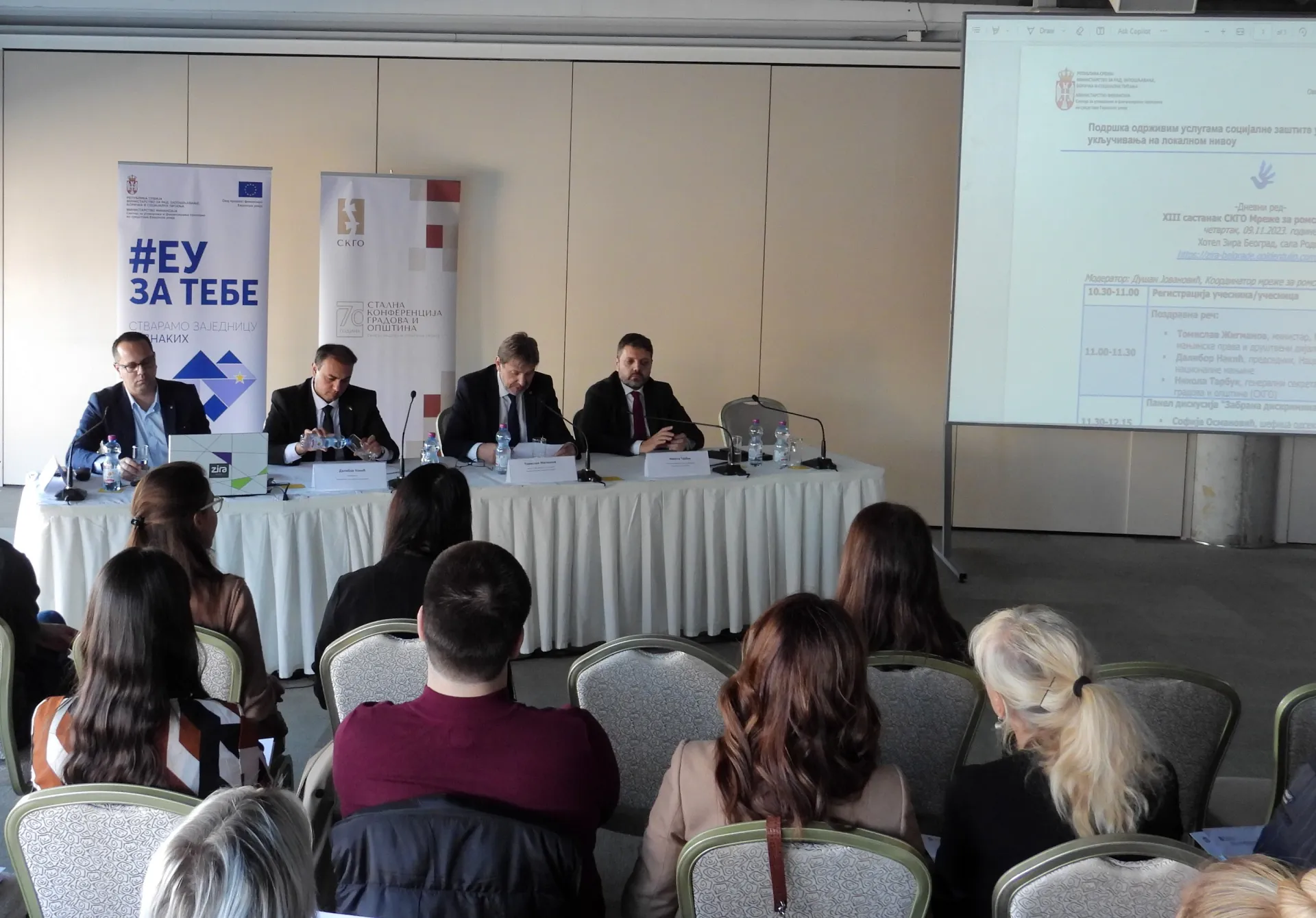
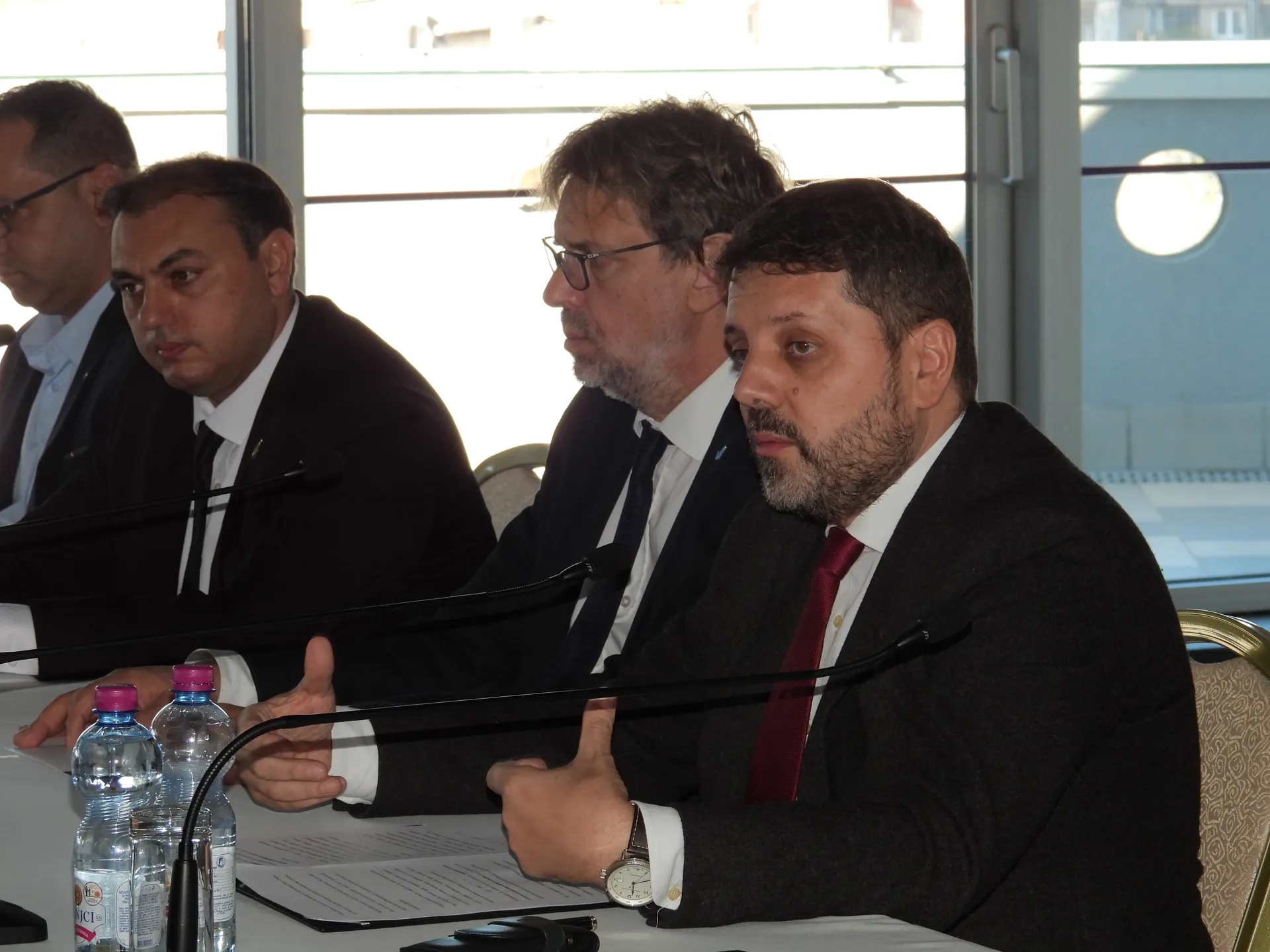
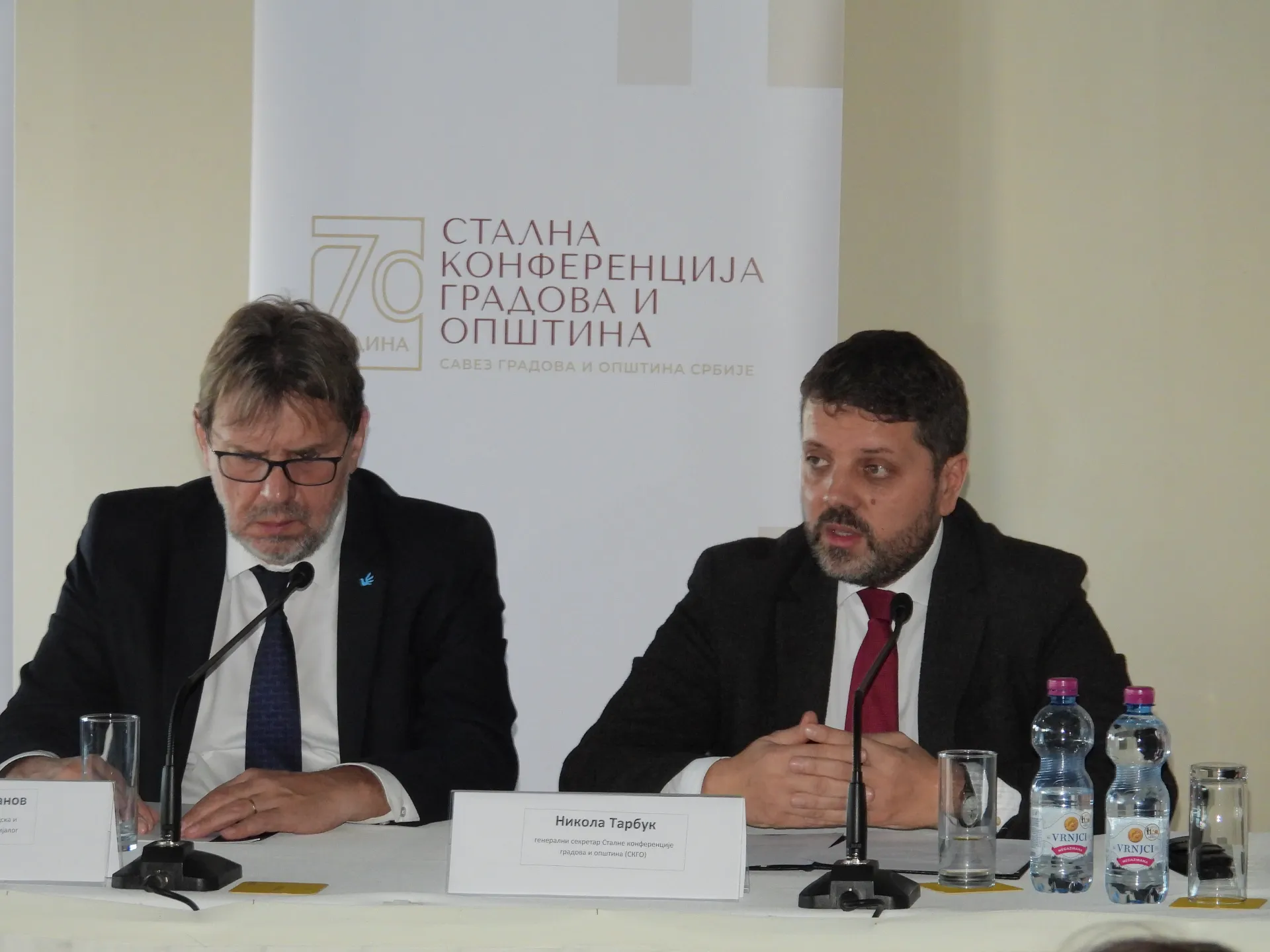
"Discrimination is the main factor of exclusion, that is why we need to fight together and contribute to the inclusion and active participation of Roma men and women", said Nikola Tarbuk, Secretary General of SCTM at the thirteenth meeting of the Network for Roma Issues, held on November 9 in Belgrade.
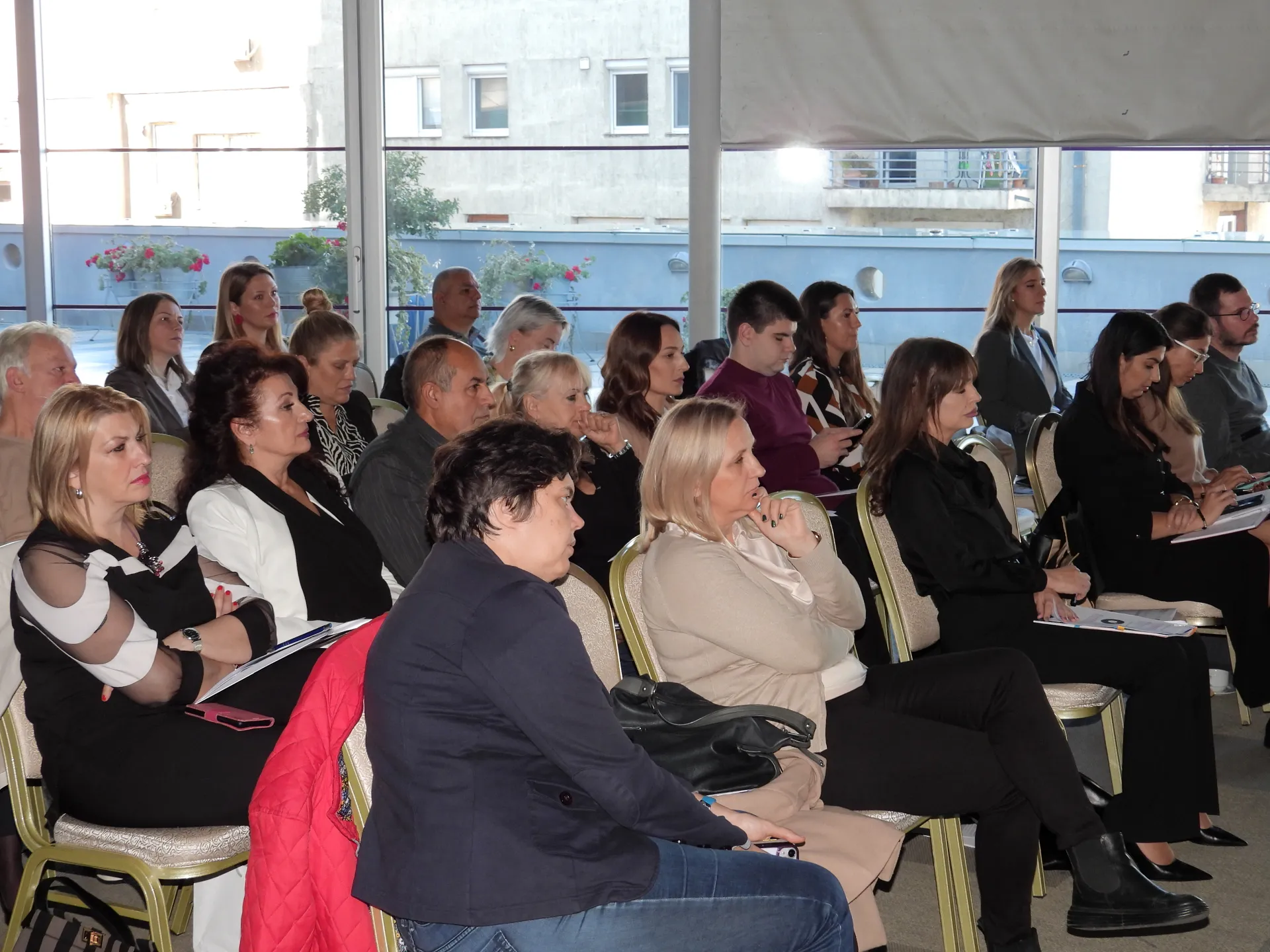
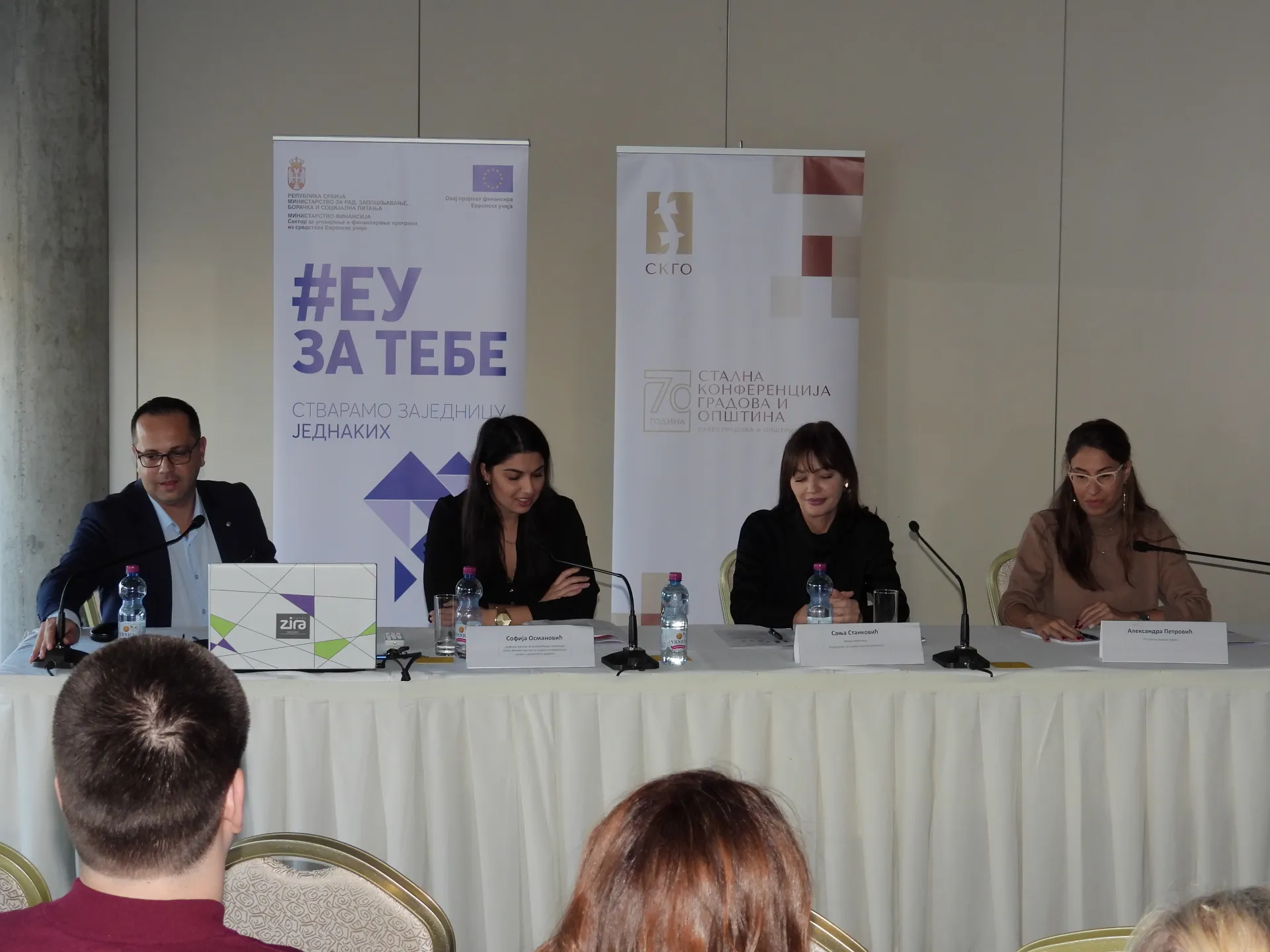
Standing Conference of Towns and Municipalities (SCTM) organized a meeting of the Network for Roma Issues, with participation of more than 50 representatives of local governments. The topics of the meeting were discrimination and participation of Roma, as two key principles in human rights realization. Discrimination and participation of Roma are now principles contained in the Strategy for social inclusion of Roma men and women for the period from 2022-2030 and of essential importance for realization of the Strategy vision.
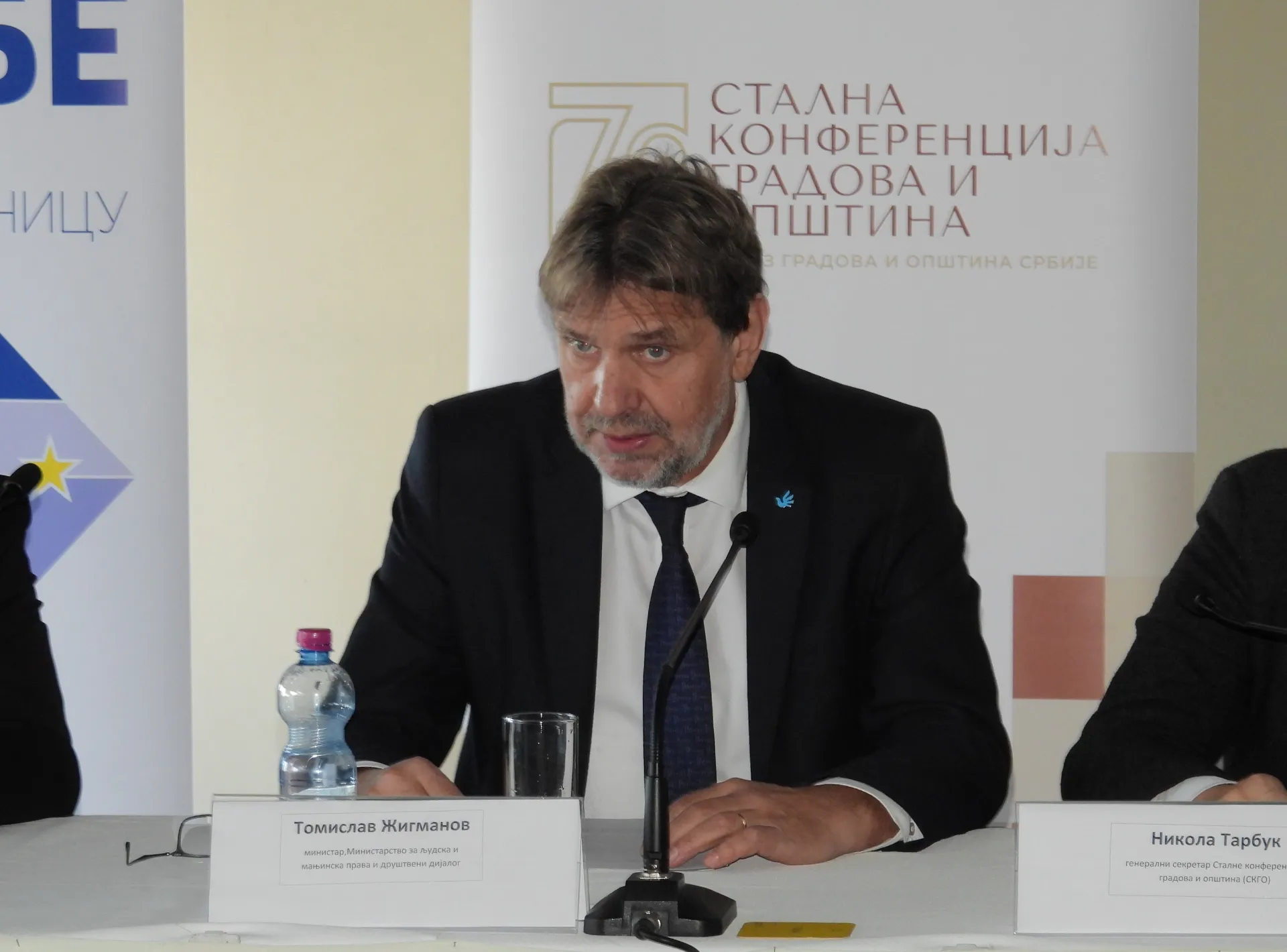
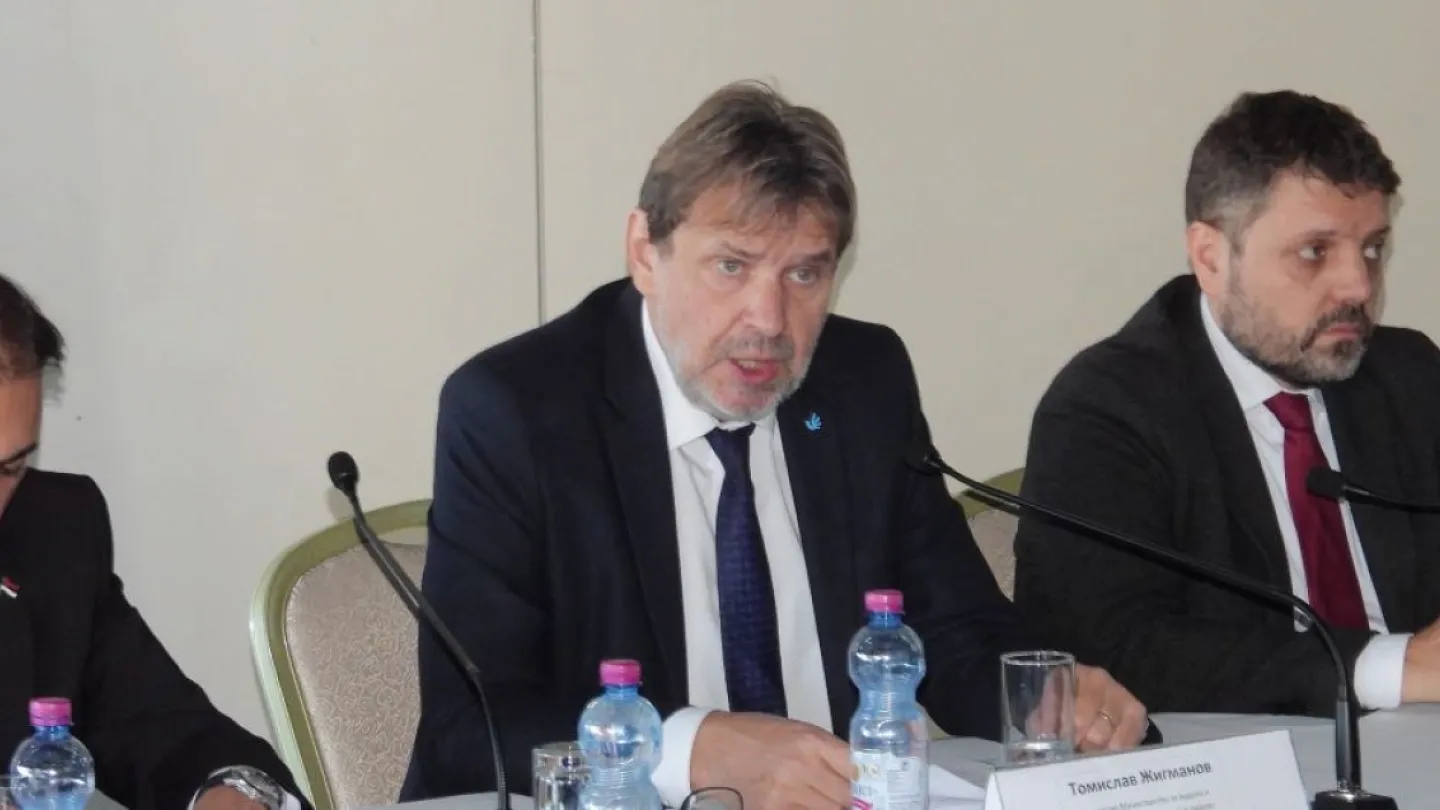
Tomislav Žigmanov, Minister for Human and Minority Rights and Social Dialogue, took this opportunity to thank Standing Conference of Towns and Municipalities for long-term and dedicated work on establishing a mechanism - coordinators for Roma issues.
"Without local self-governments, it is certain that our efforts from the central authorities could hardly be effectively implemented. The mechanism is you in the local self-governments and your advocacy for the social inclusion of Roma men and women", emphasized Žigmanov and added that through the work of coordinators for Roma issues monitoring of regulations and knowledge and experience exchange important for improving the position of the Roma community are enabled.
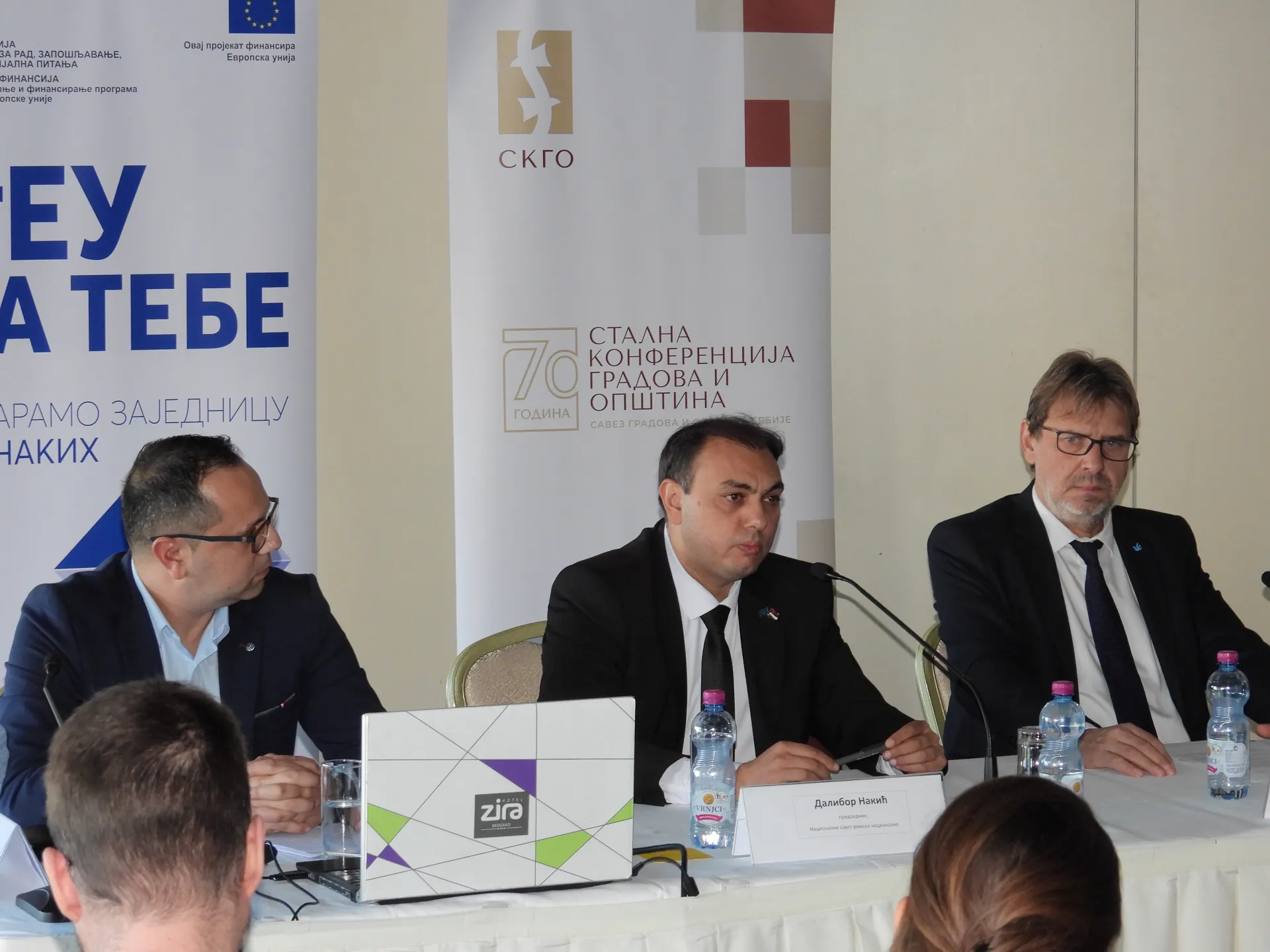
Dalibor Nakić, president of the National Council of the Roma National Minority, emphasized the contribution of SCTM in achieved results in Roma inclusion.
"The importance of local self-government for Roma inclusion is immeasurable, Roma inclusion begins and ends locally. Without people at the local level, there is no implementation of the Strategy, and that is why this Network for Roma issues is important to us. Because of the exchange of experiences among you, so that good practice examples in one municipality can be applied in other municipalities as well," said Nakić.
Nikola Tarbuk, Secretary General of SCTM emphasized that the topics of the meeting are discrimination and participation of Roma are universal topics, and now part of the Strategy.
"We must promote the principle of not about us without us in the area of social inclusion of Roma even more strongly. The participation of Roma men and women and their empowerment for active participation enables active involvement in preparation and implementation of programs, public policies and measures for social inclusion and improvement of the position of Roma community," Tarbuk pointed out and added that SCTM pays special attention to creation of conditions and opportunities for inclusion of Roma community, the most vulnerable social group.
During panel discussions that followed, procedures for protection from discrimination and forms of participation of Roma men and women were discussed - the value of partnership, joint work, inclusion of different perspectives in consultative and decision-making processes were highlighted. In this sense, the work of coordinators for Roma issues and civil society organizations on collection and exchange of data is very valuable for the comprehensive identification of the needs of Roma community, creation of policies and strategic documents, and then the adequate prioritization of aims and activities, through various programs and projects.
The meeting of the Network for Roma issues was organized within the project "Support to sustainable community-based social services and inclusion policies at the local level", financed by the European Union within the IPA 2020. Project aims to improve the effectiveness of social inclusion policies and encourage equal opportunities and active participation of women and men from most vulnerable and marginalized groups and provides support to local governments in overcoming challenges in coordination, planning, financing, implementation, monitoring and evaluation of social protection and Roma inclusion policies at the local level through training, mentoring, advisory and financial support.