05/08/2025
EU INTEGRA strengthens local communities - Over 100 participants in project preparation trainings
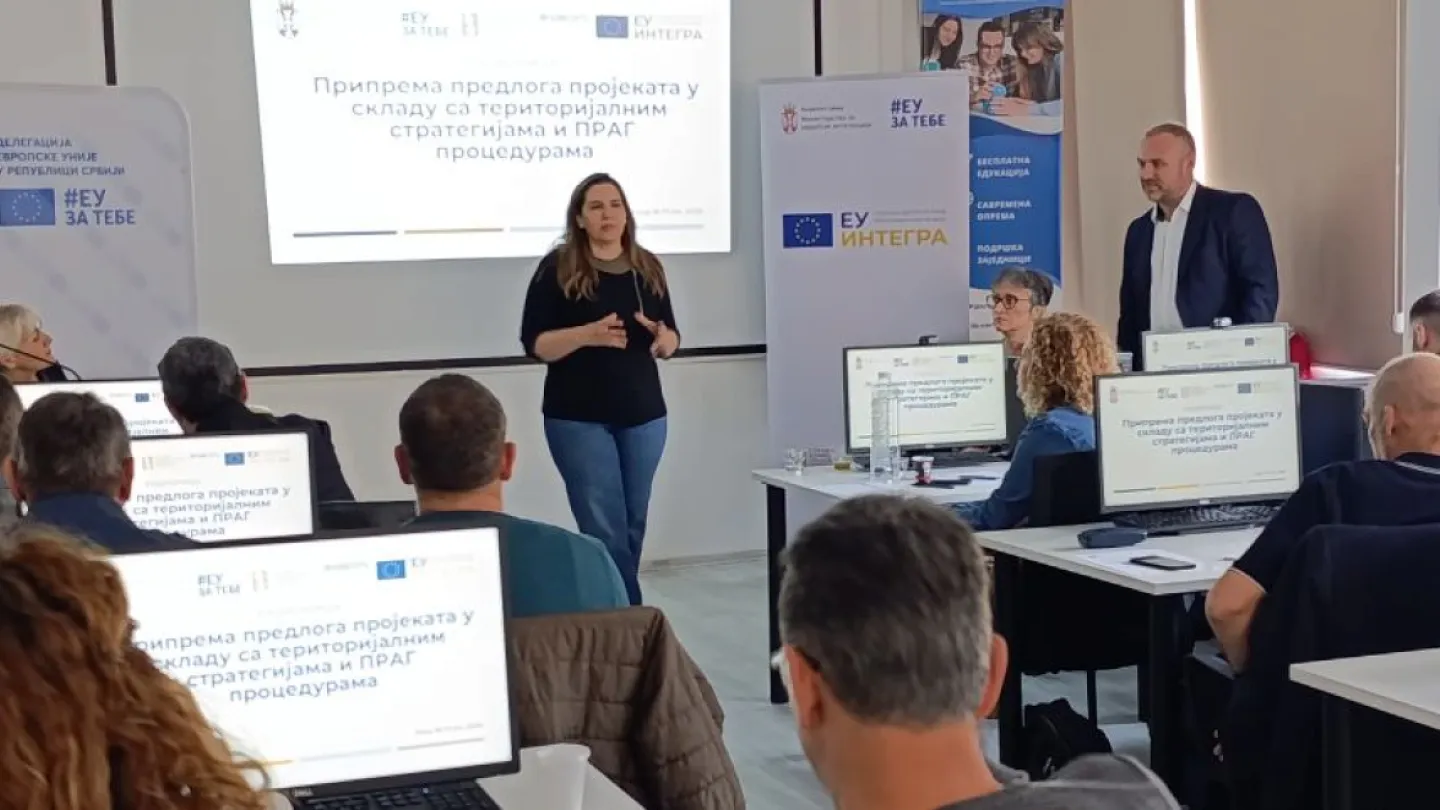
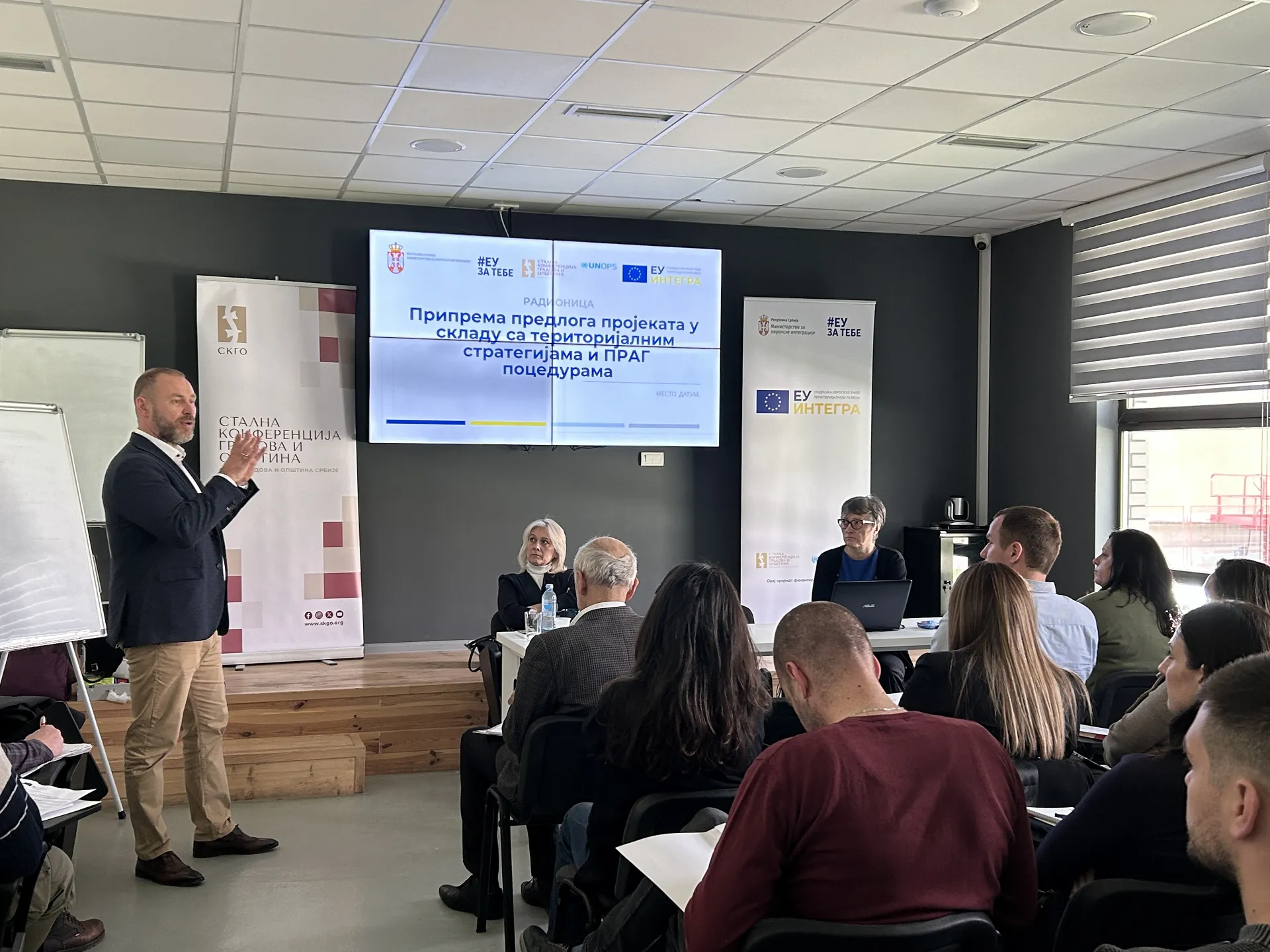
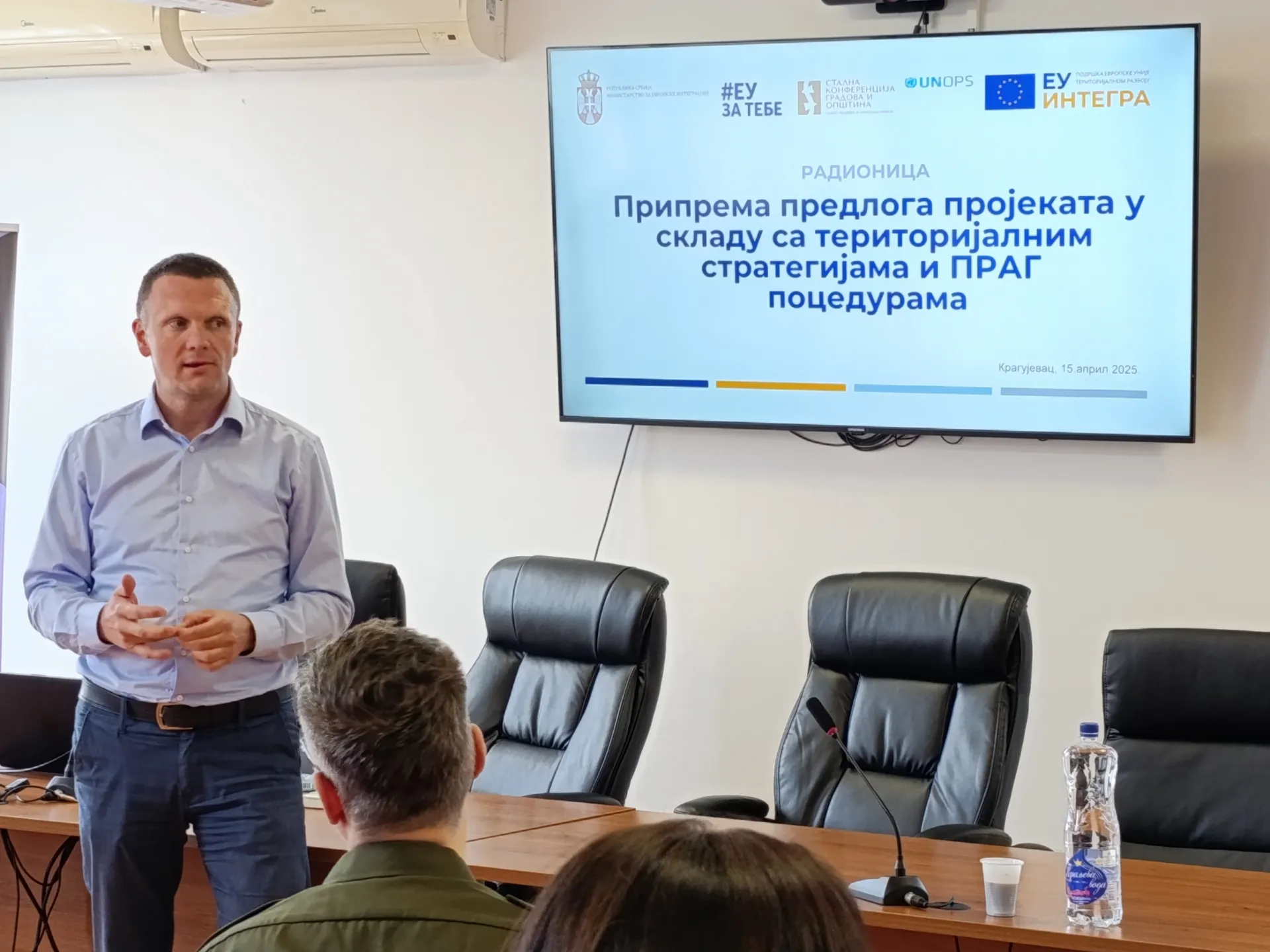
The first cycle of workshops aimed at strengthening the capacities of local self-governments and regional development agencies for planning project proposals was successfully completed in April 2025, as part of the “EU INTEGRA – EU Support to Integrated Territorial Development” programme.
The programme is fully funded by the European Union through the Instrument for Pre-accession Assistance (IPA III), and implemented by the Ministry of European Integration, with the support of implementing partners – the Standing Conference of Towns and Municipalities (SCTM) and the United Nations Office for Project Services (UNOPS).
"The European Union provides continuous support to the development of local self-governments in Serbia, as this is direct support to citizens and to improving their quality of life. With the EU INTEGRA programme, we continue to build on the results achieved through previous programmes, especially the EU PRO Plus programme, through which the integrated approach was piloted for the first time—enhancing the capacities of local and regional actors to plan and implement development initiatives in line with European standards. This approach, recognised within the European Union as a successful model for ensuring territorial cohesion and balanced development, represents an important step in preparing Serbia for future use of EU funds," said Nicola Bertolini, Head of Cooperation of the EU Delegation to Serbia.
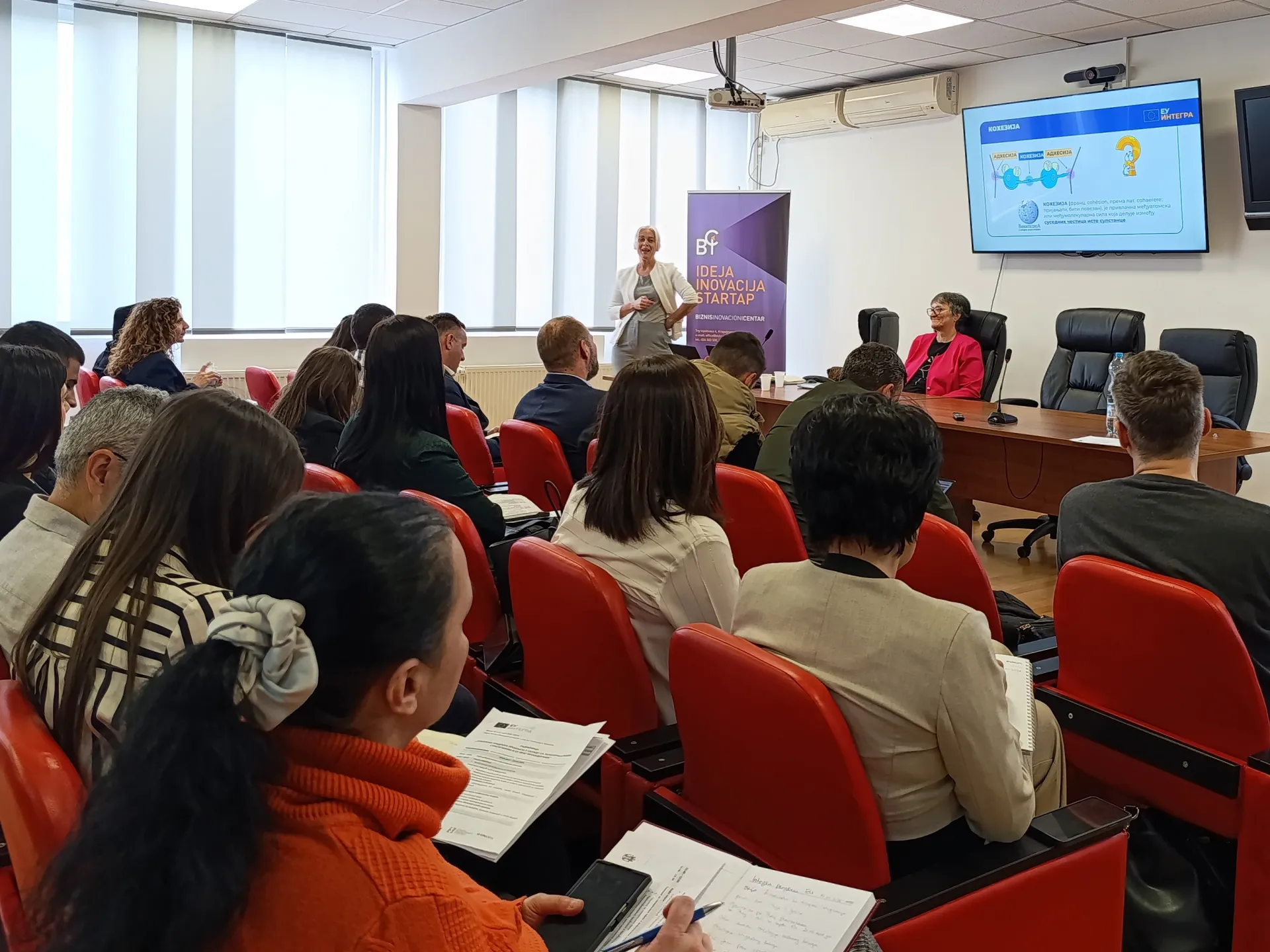
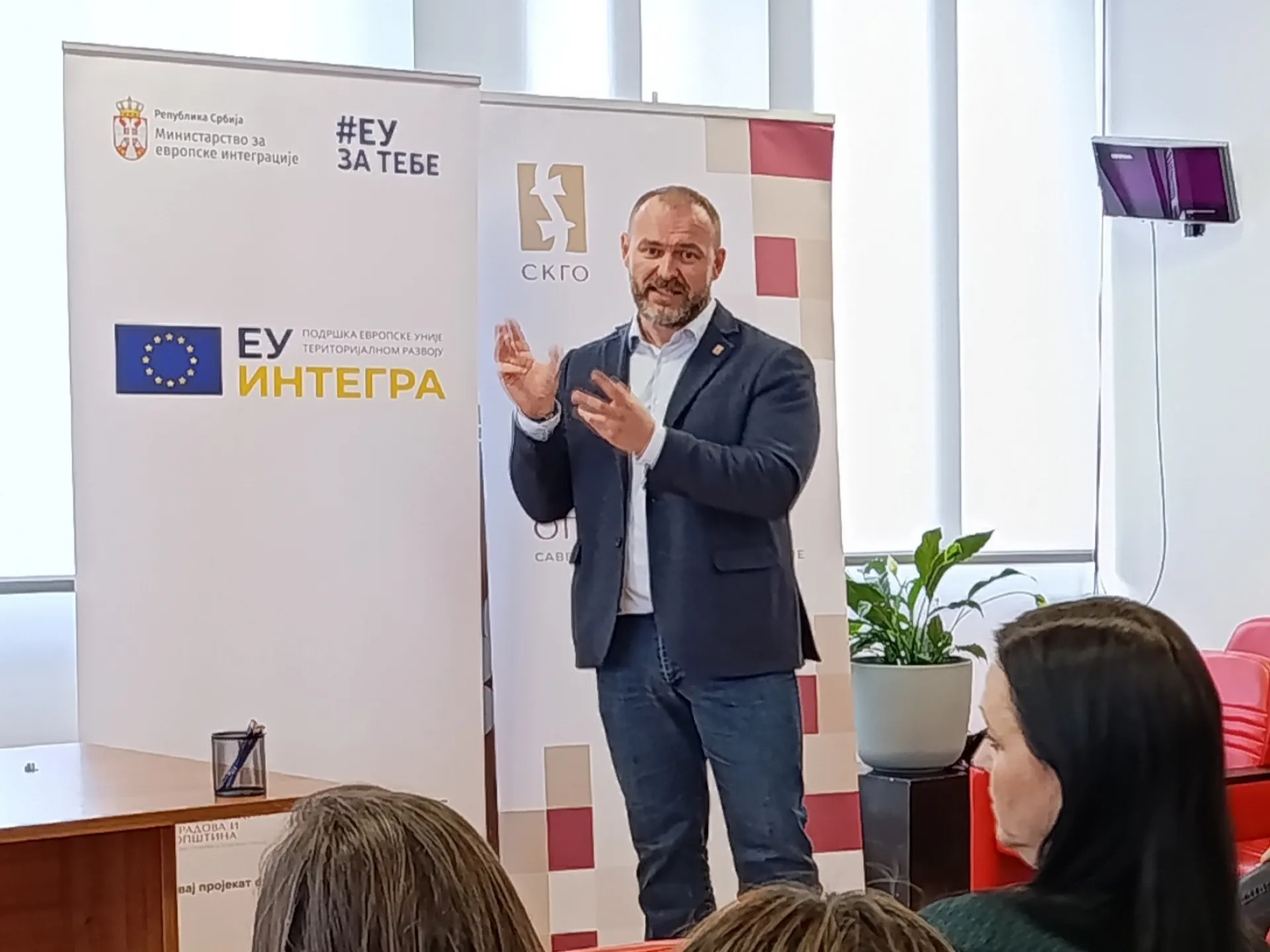
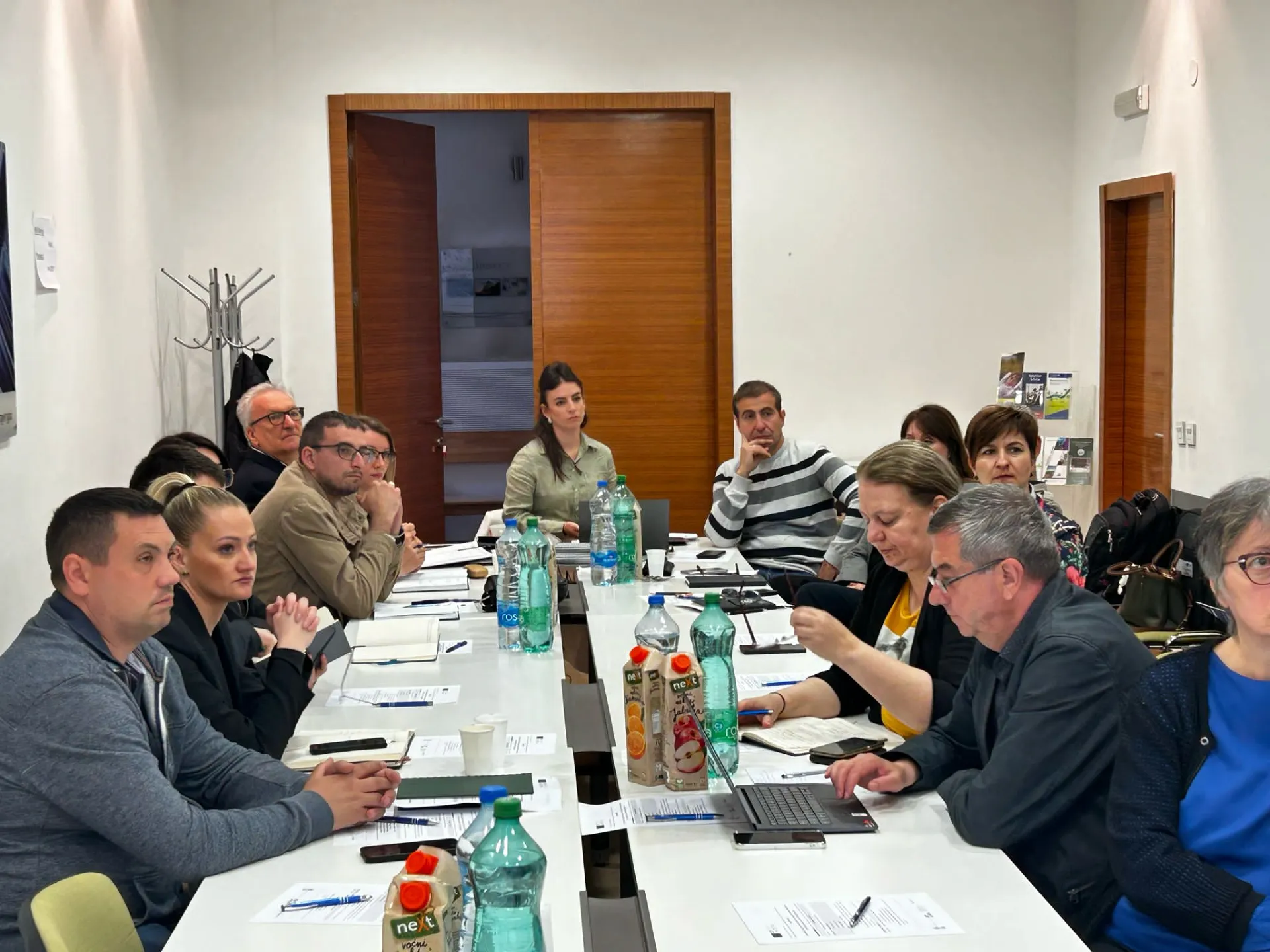
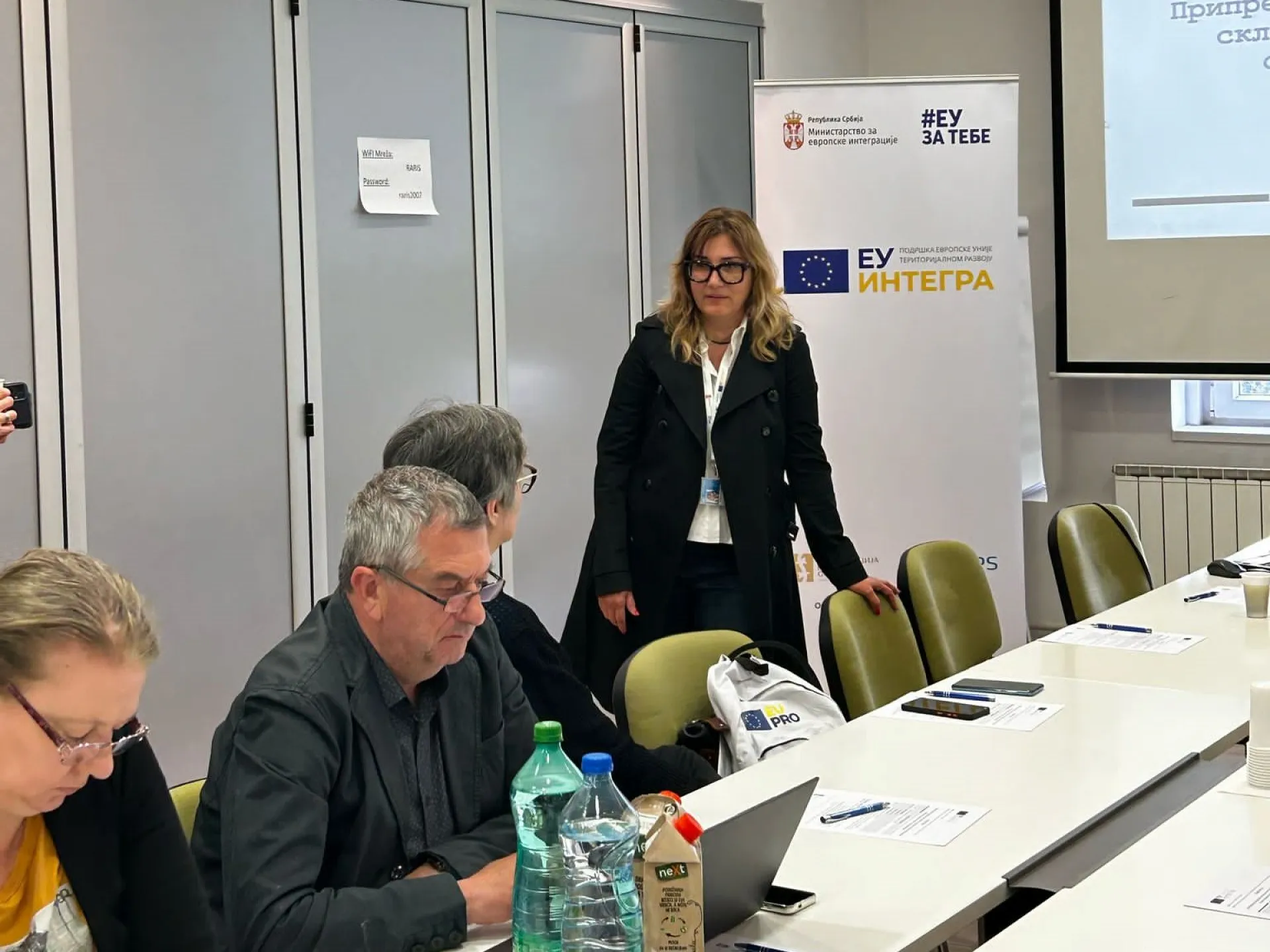
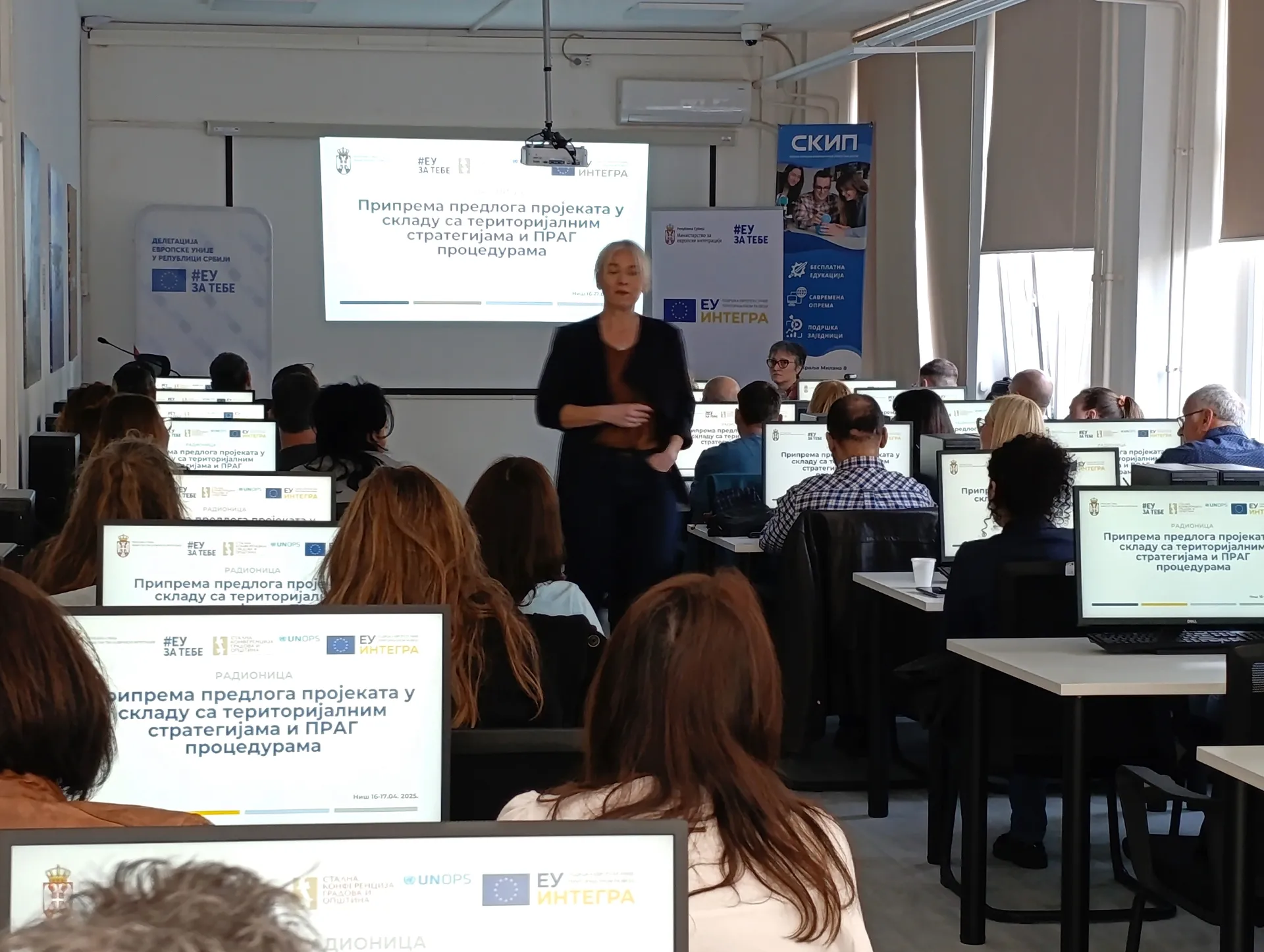
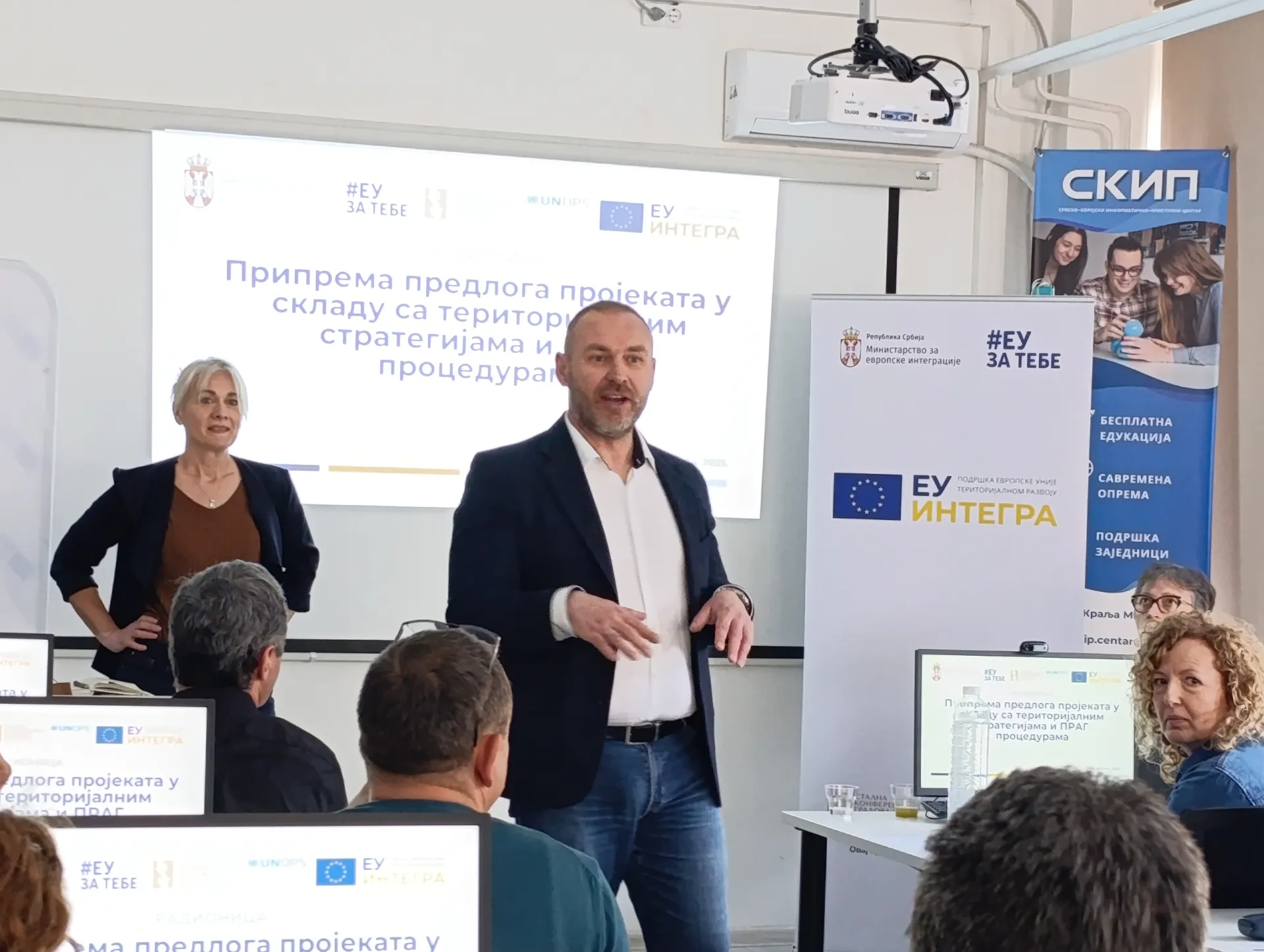
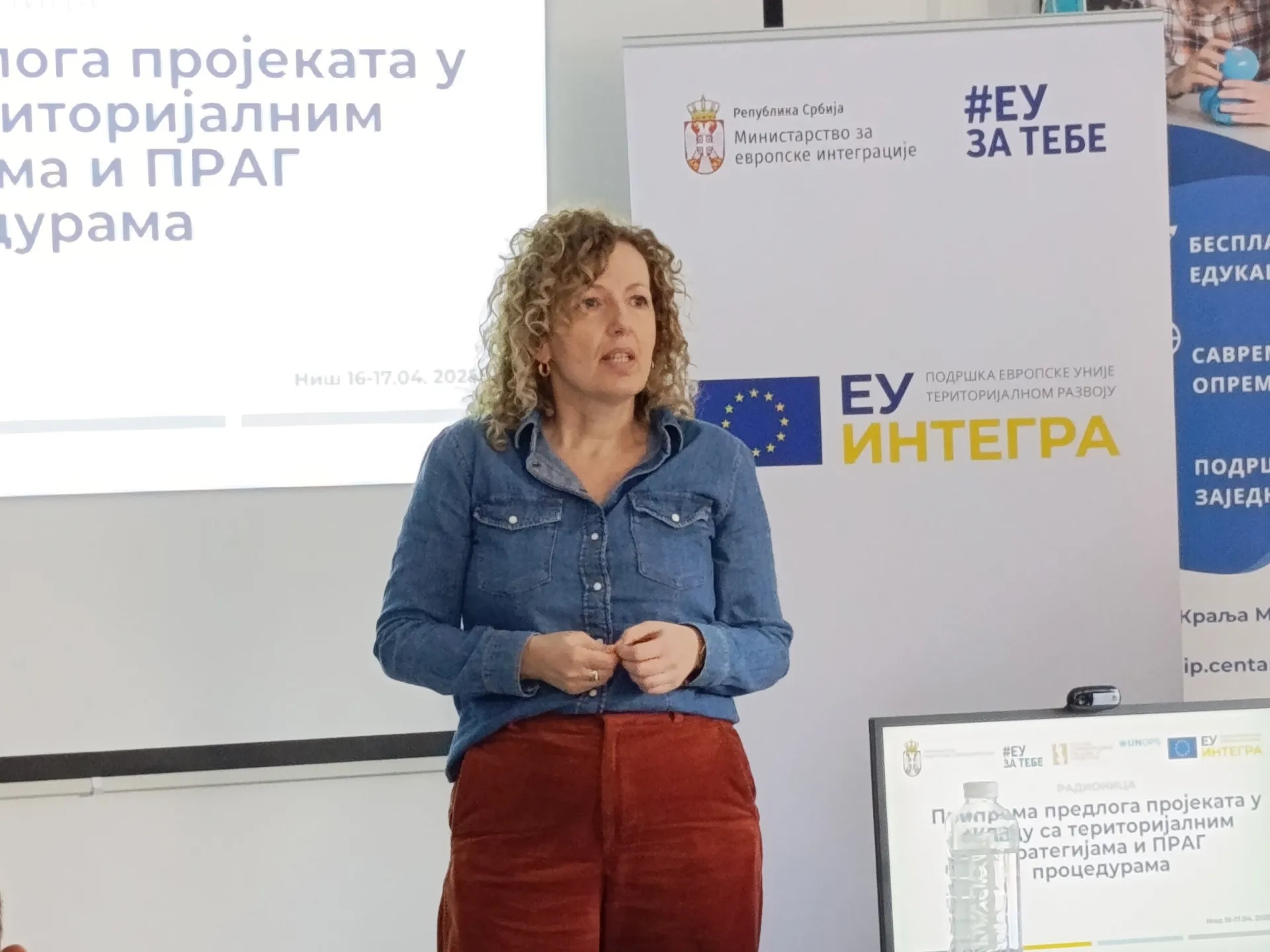
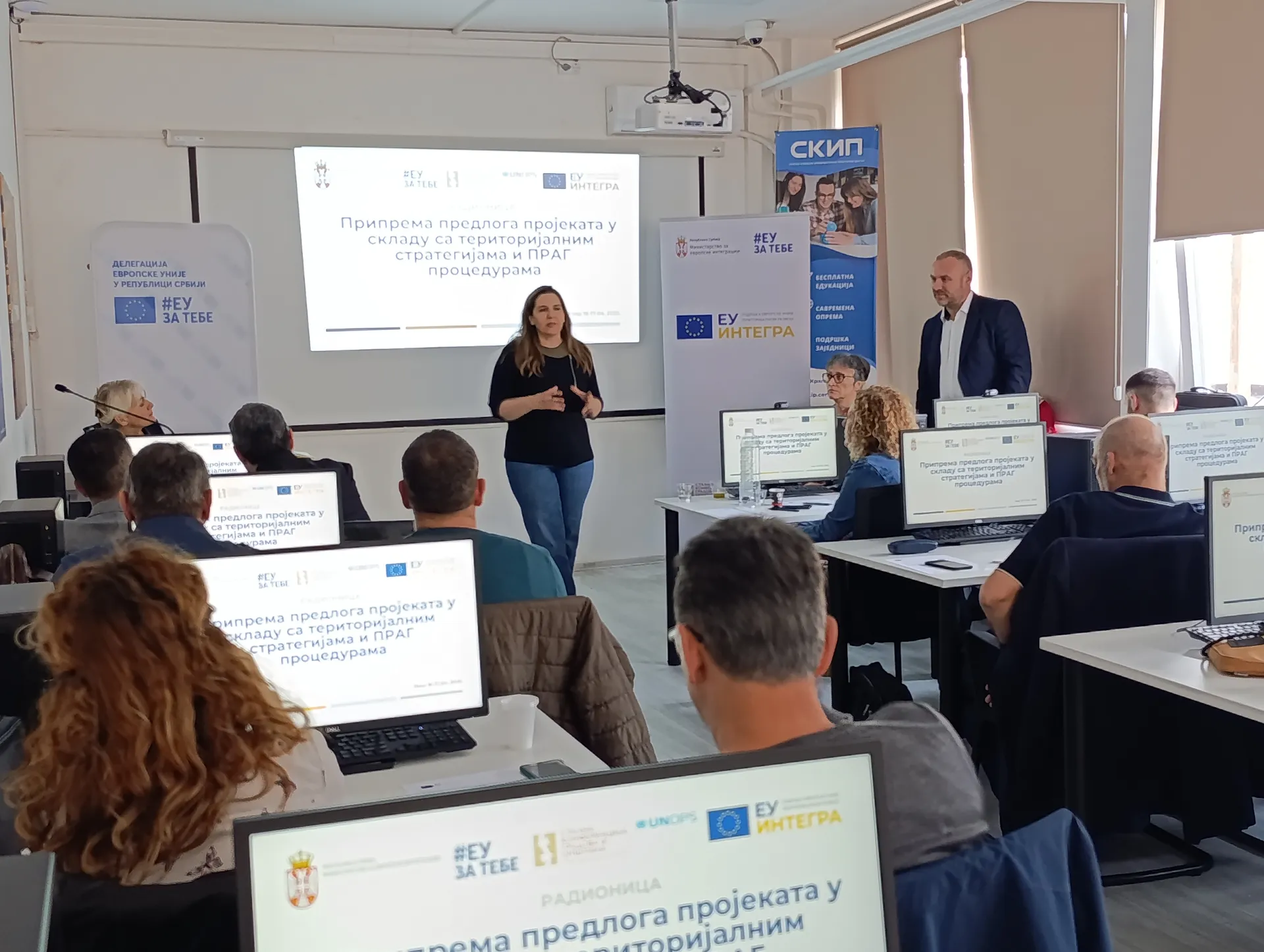
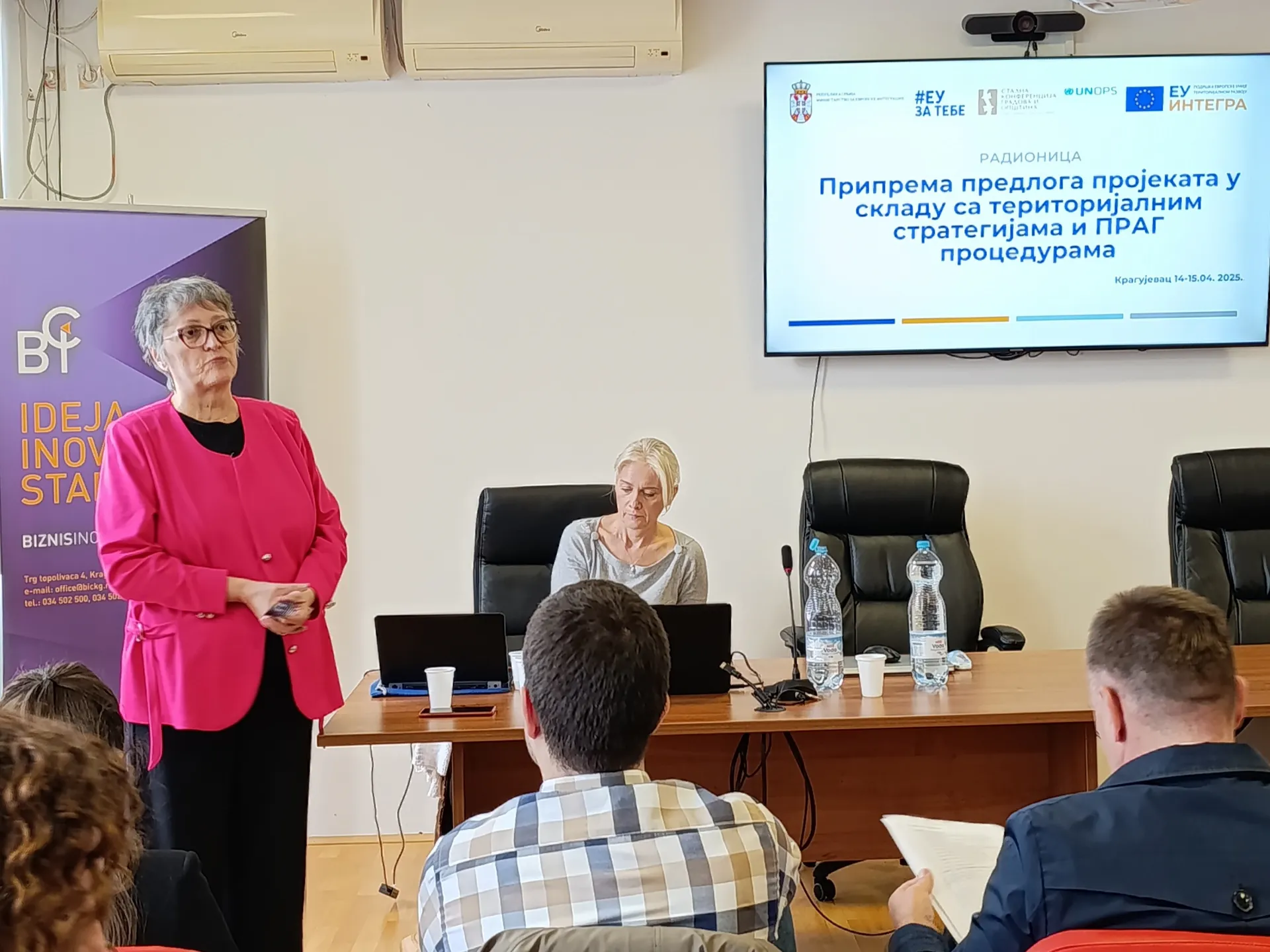
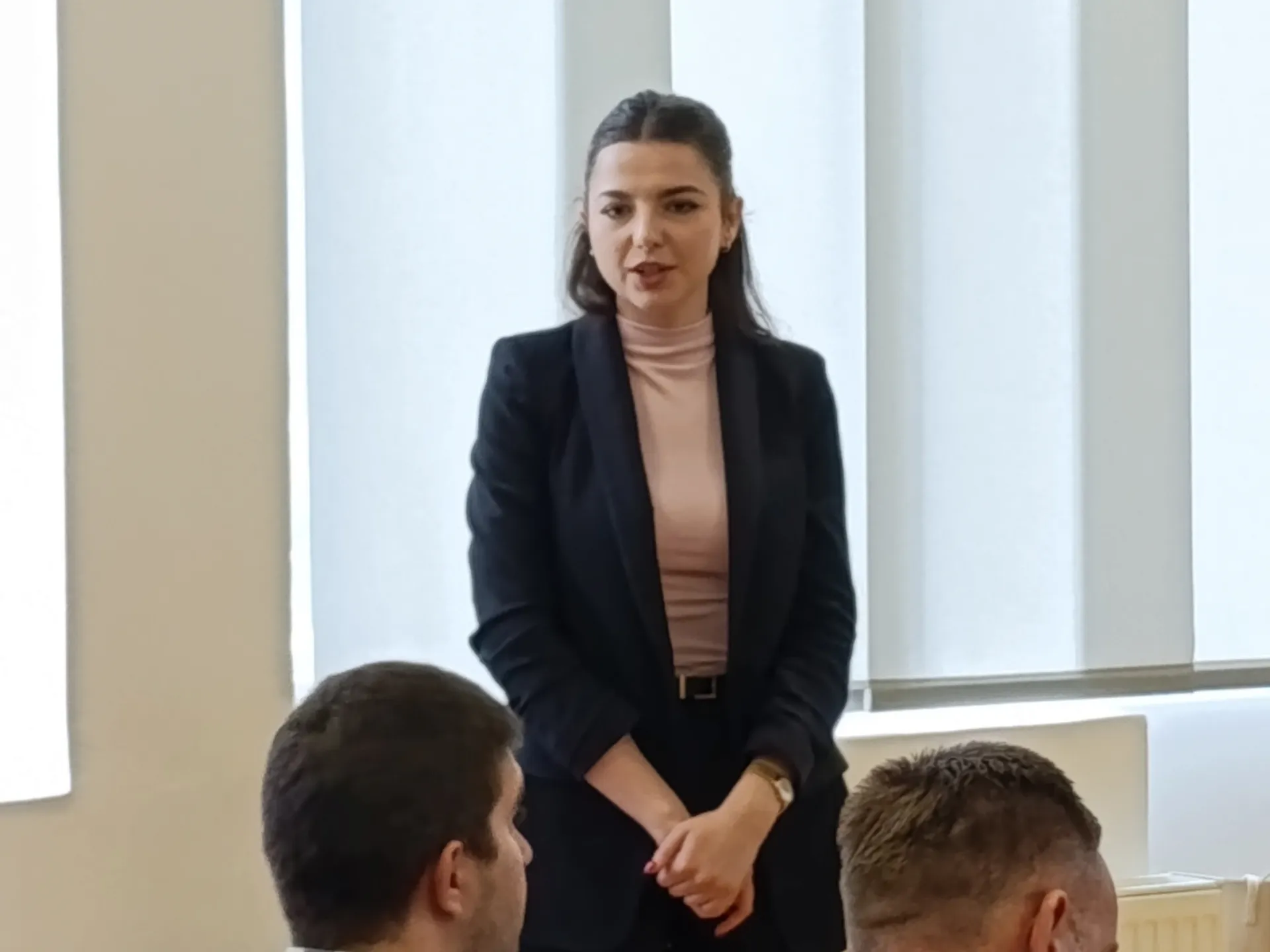
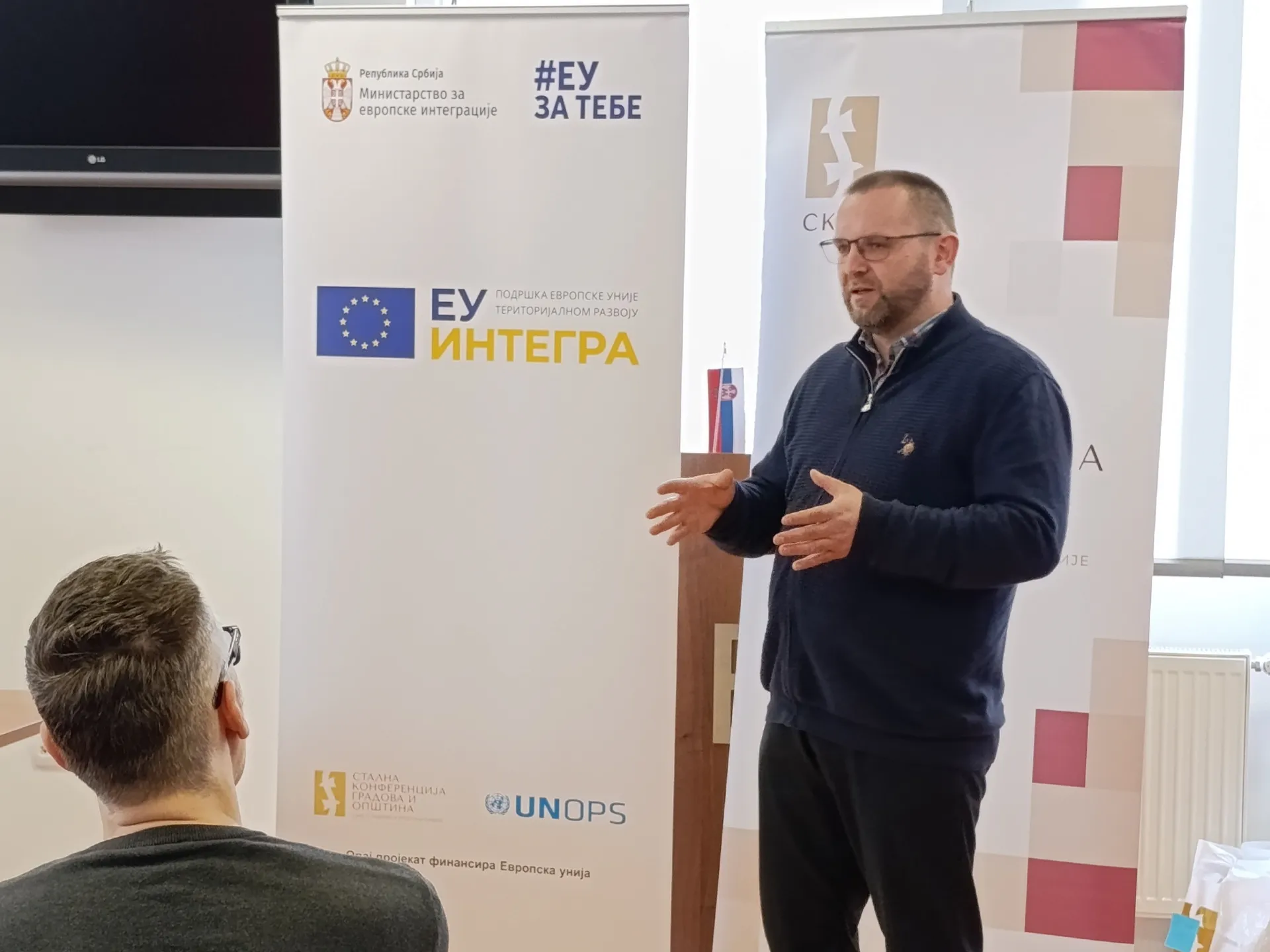
Held in Užice, Kragujevac, Niš, and Zaječar, the workshops—organized within the SCTM-implemented component—introduced the strategic framework of the EU Cohesion Policy. Special emphasis was placed on territorial development tools and the planning of project proposals aligned with integrated territorial strategies and EU PRAG procedures. Through hands-on exercises, participants worked on defining problems and objectives, developing activities and indicators, preparing logical frameworks, planning budgets, and assessing the sustainability of results.
Mira Radenović Bojić, State Secretary at the Ministry of European Integration, emphasized that the EU INTEGRA programme is one of the key initiatives for building local government capacities and plays a significant role in preparing Serbia for the obligations of Negotiating Chapter 22 – Regional Policy and Coordination of Structural Instruments:
“Establishing an effective system for the use of Cohesion Policy funds is crucial for enabling the Republic of Serbia to fully benefit from all available funding upon accession to the European Union. These workshops make a concrete contribution to building that system, offering valuable support to cities and municipalities in understanding the EU’s Cohesion Policy and planning development projects grounded in existing territorial strategies. EU INTEGRA activities aim to reduce regional disparities and empower institutional actors at all levels of government, in alignment with the Action Plan for Chapter 22. The Ministry will continue to support local capacity building as a foundation for a functional and sustainable EU fund management system.”
The support provided to local government representatives has been well recognized, particularly in municipalities actively working on implementing their territorial strategies.
“These workshops are a vital step in strengthening local governments’ capacities to design and prepare project proposals based on adopted integrated strategies. It is crucial that cities and municipalities establish teams capable of operating under EU funding regulations. Long-term local development cannot rely solely on municipal budgets—intermunicipal cooperation and use of EU programmes that support sustainable initiatives are equally essential,” said Miloš Colić, Deputy Mayor of Pirot and Member of the City Council.
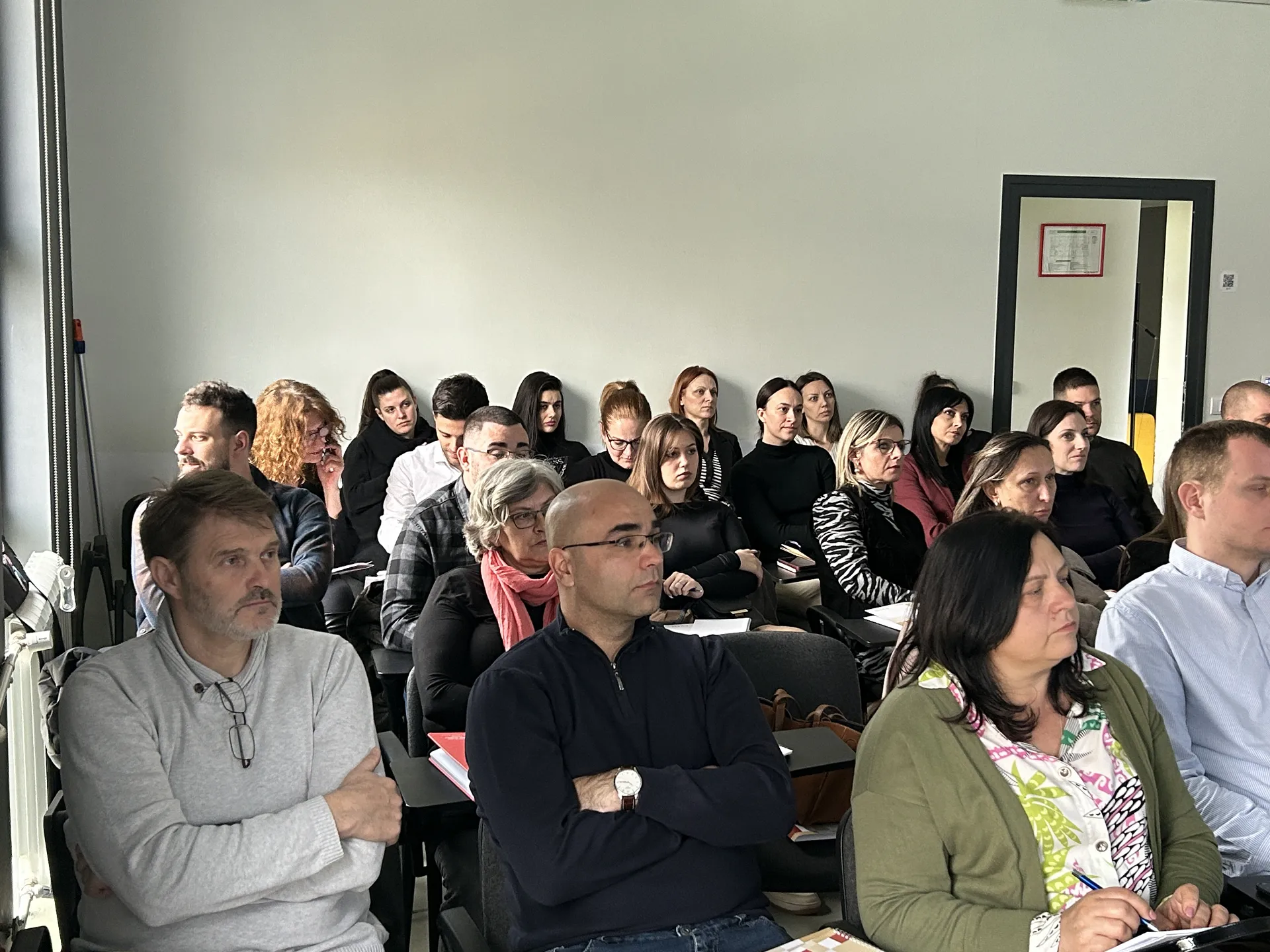
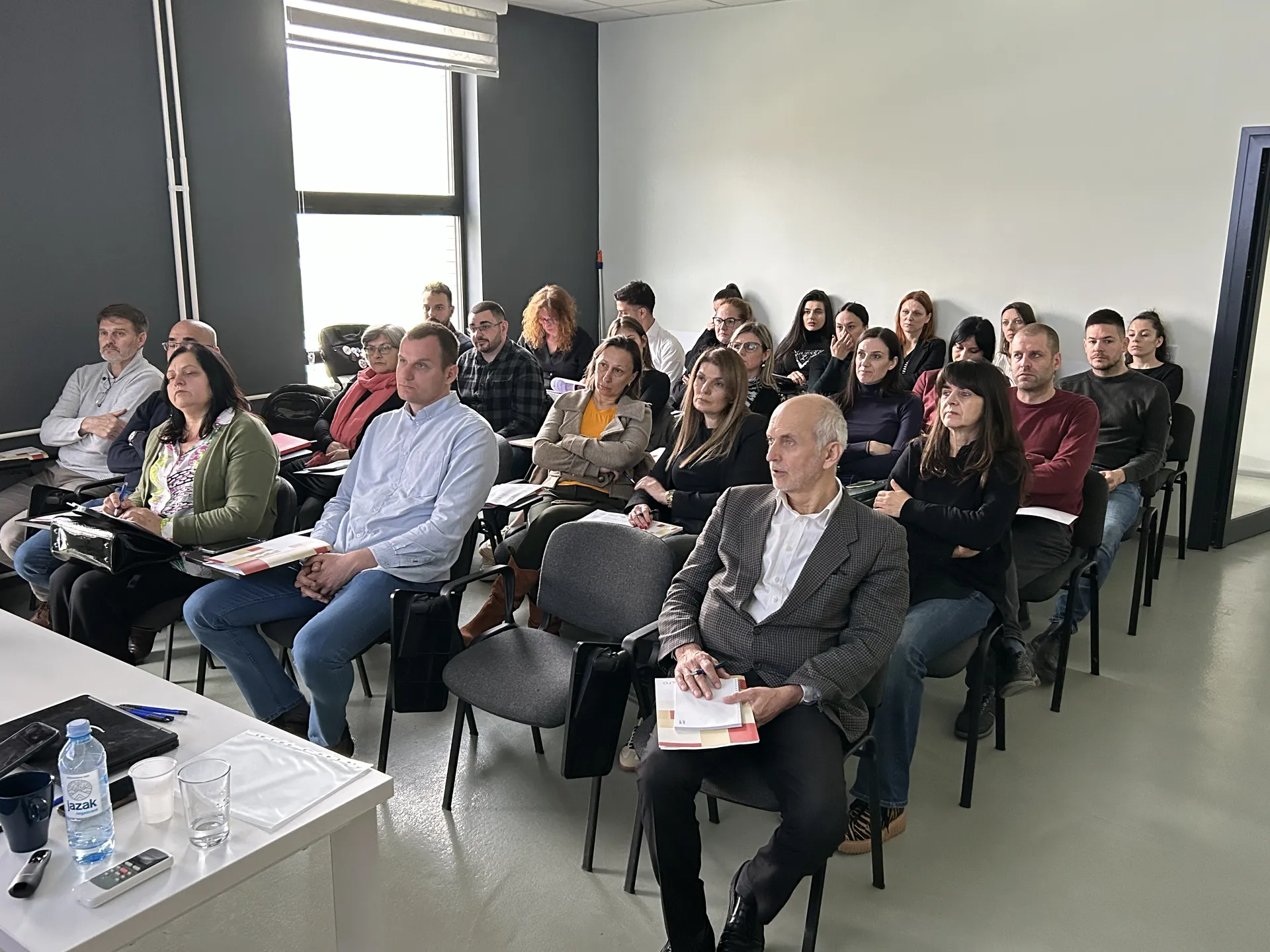
More than 100 representatives from 30 local self-governments and regional development agencies participated in the workshops. The involvement of representatives from the Ministry of European Integration and the presentation of the EU INTEGRA concept underscored the importance of institutional support in advancing Serbia’s integrated territorial development.
“Since 2010, UNOPS has worked with local self-governments across Serbia to build capacities and implement development initiatives. Through the EU PRO Plus programme, we piloted territorial mechanisms whose outcomes—strategies and integrated projects—now underpin the EU INTEGRA programme. In this cycle, we partnered with SCTM to further empower local institutions in applying European principles of territorial development,” said Olivera Kostić, Manager of the UNOPS-implemented component of EU INTEGRA.
The EU INTEGRA grant scheme, implemented by SCTM, supports projects that contribute to modernizing local self-governments, enhancing infrastructure, and promoting socio-economic development in accordance with the principles of the EU Cohesion Policy.
“EU INTEGRA equips local governments and development agencies with the tools, funding, and training necessary to design projects aligned with integrated territorial development frameworks. Our mission is to empower local institutions to plan, manage, and implement projects in accordance with European standards, preparing them for future EU-funded investments,” said Edi Majstorović, Director of the Department for Local Government Development Projects at SCTM and EU INTEGRA Programme Manager.
Through its activities, the EU INTEGRA programme contributes to modernizing and strengthening the capacities of local self-governments, enabling more effective planning and implementation of development initiatives. Ultimately, the programme helps improve the quality of life for citizens through sustainable, balanced development and plays a key role in Serbia’s European integration journey.