09/23/2026
Stranger support for children with developmental disabilities and their families troughtout Serbia
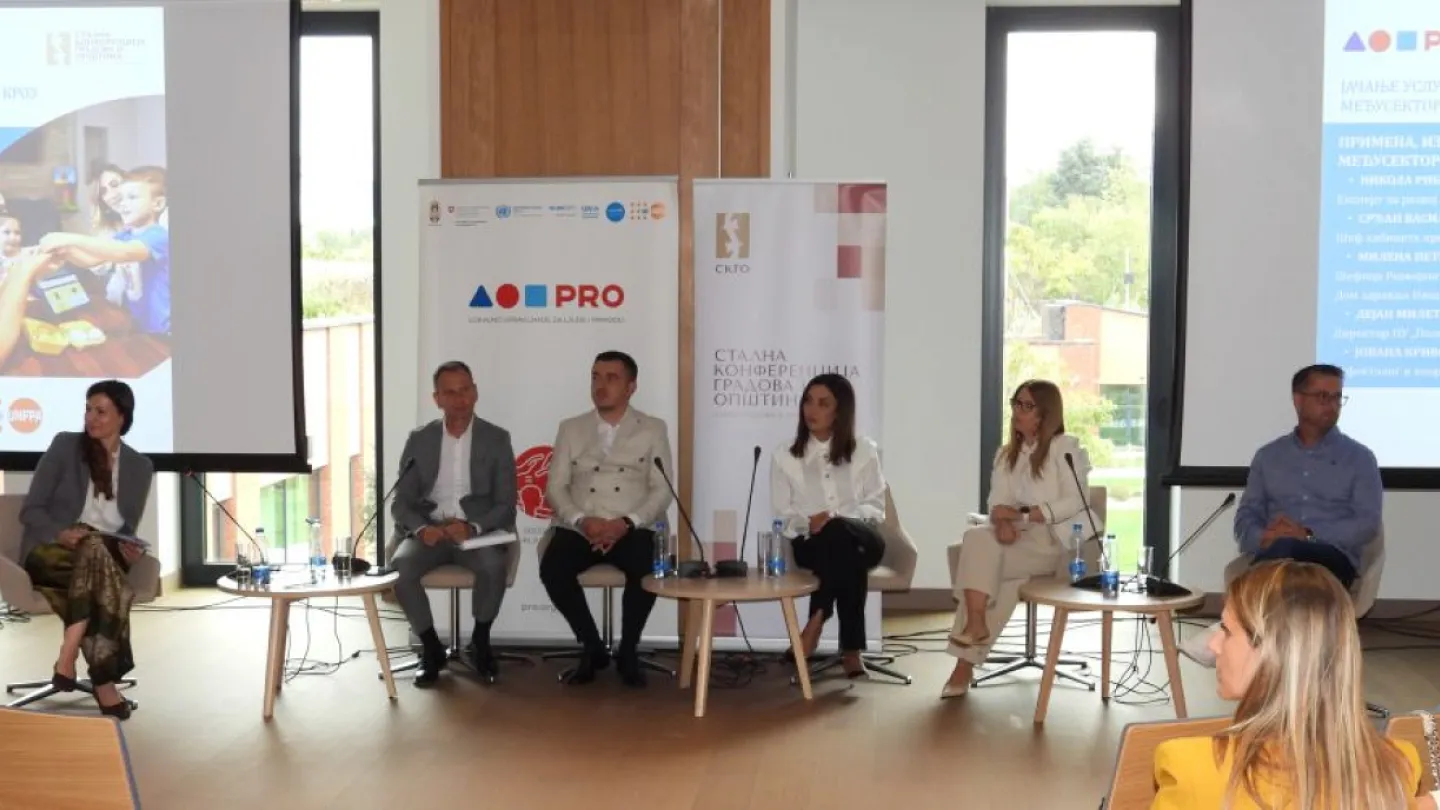
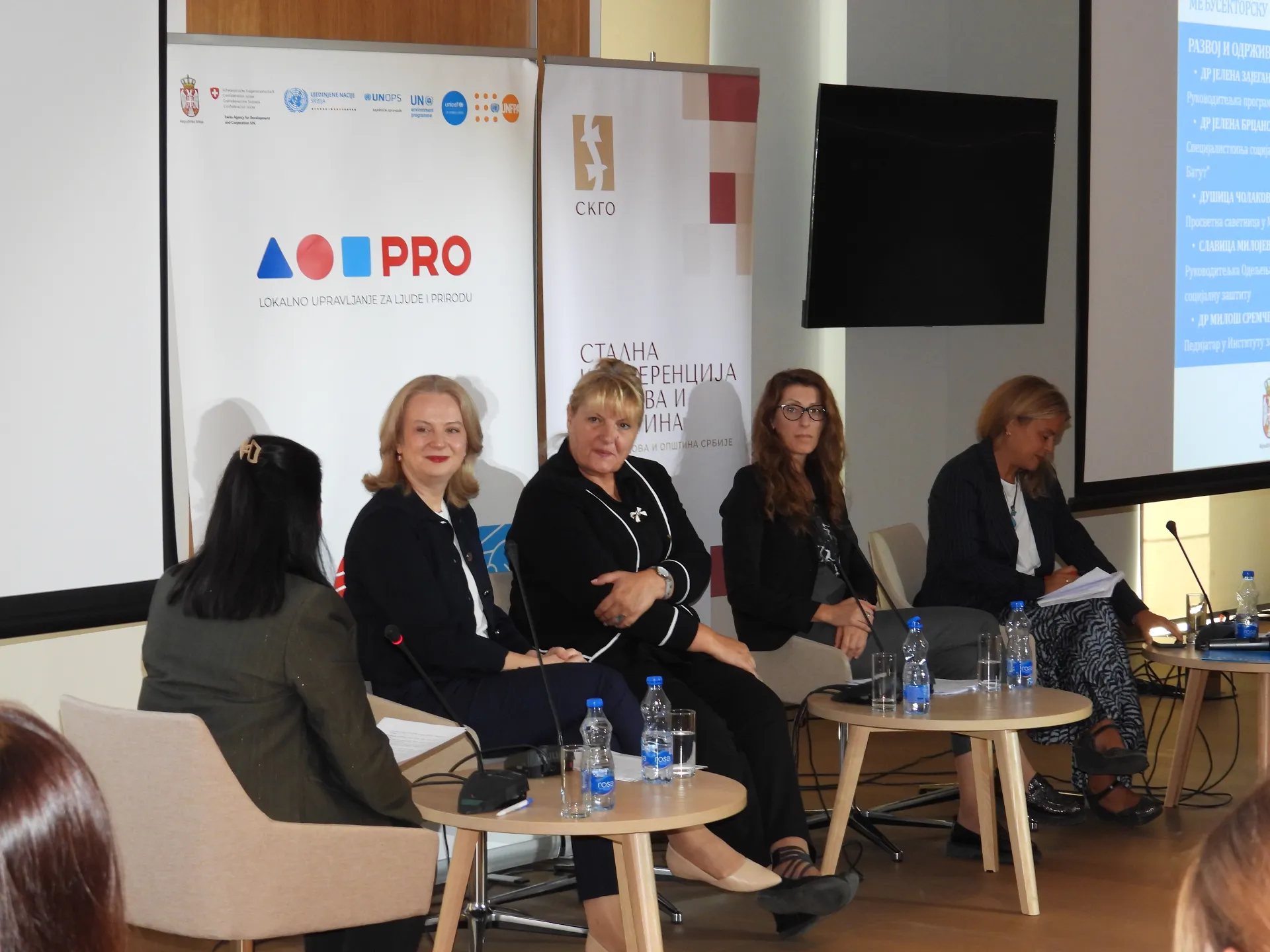
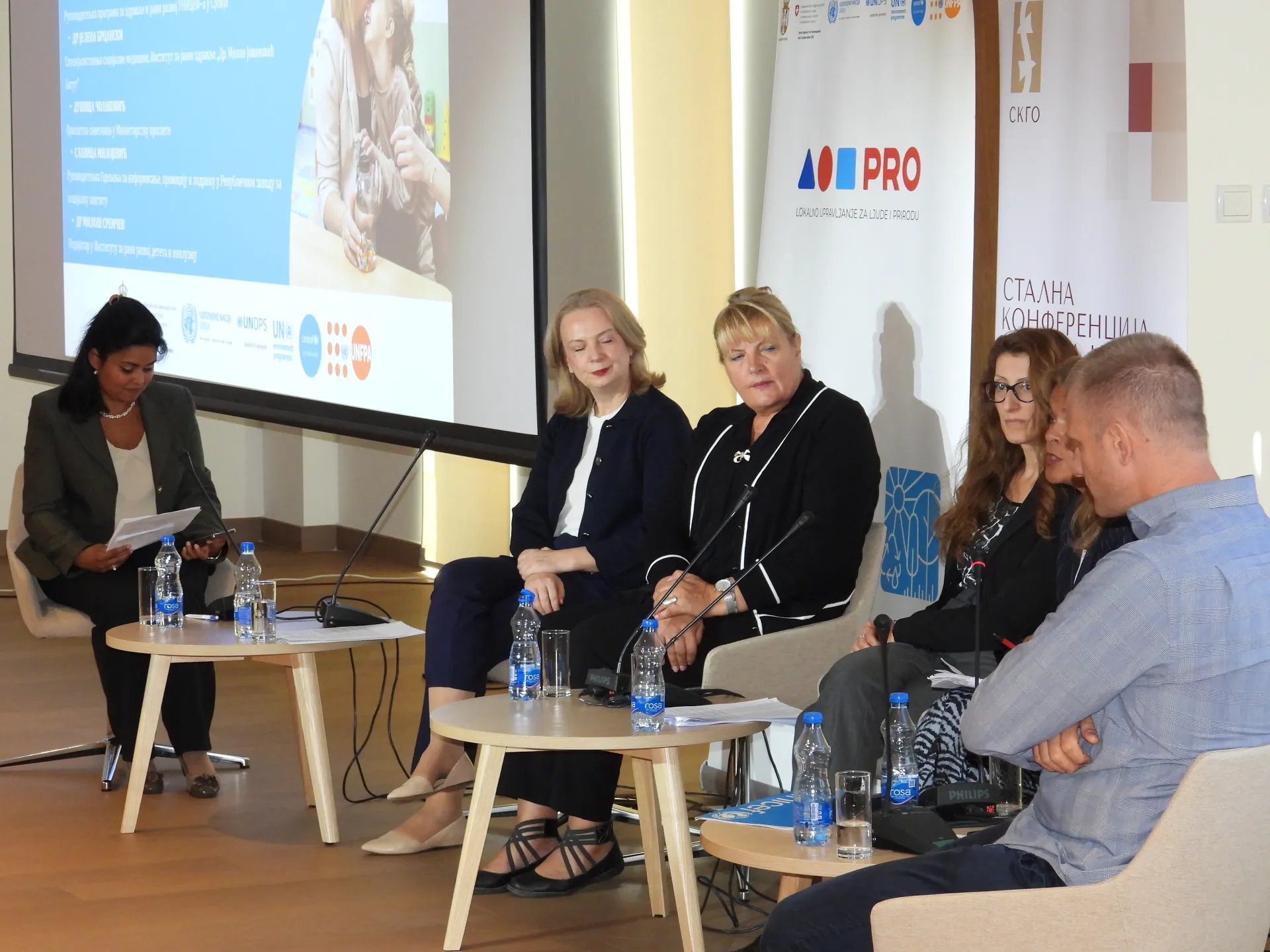
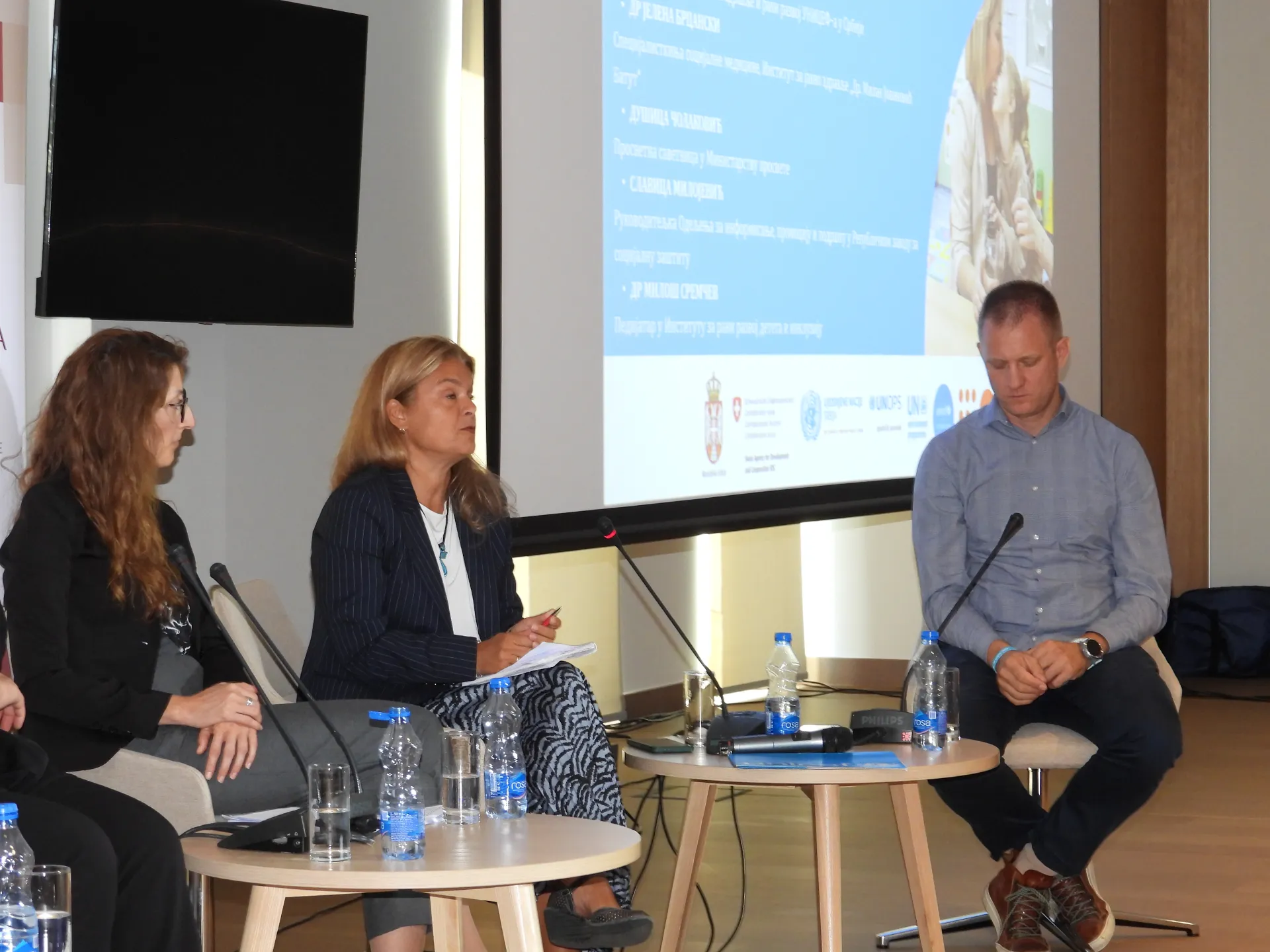
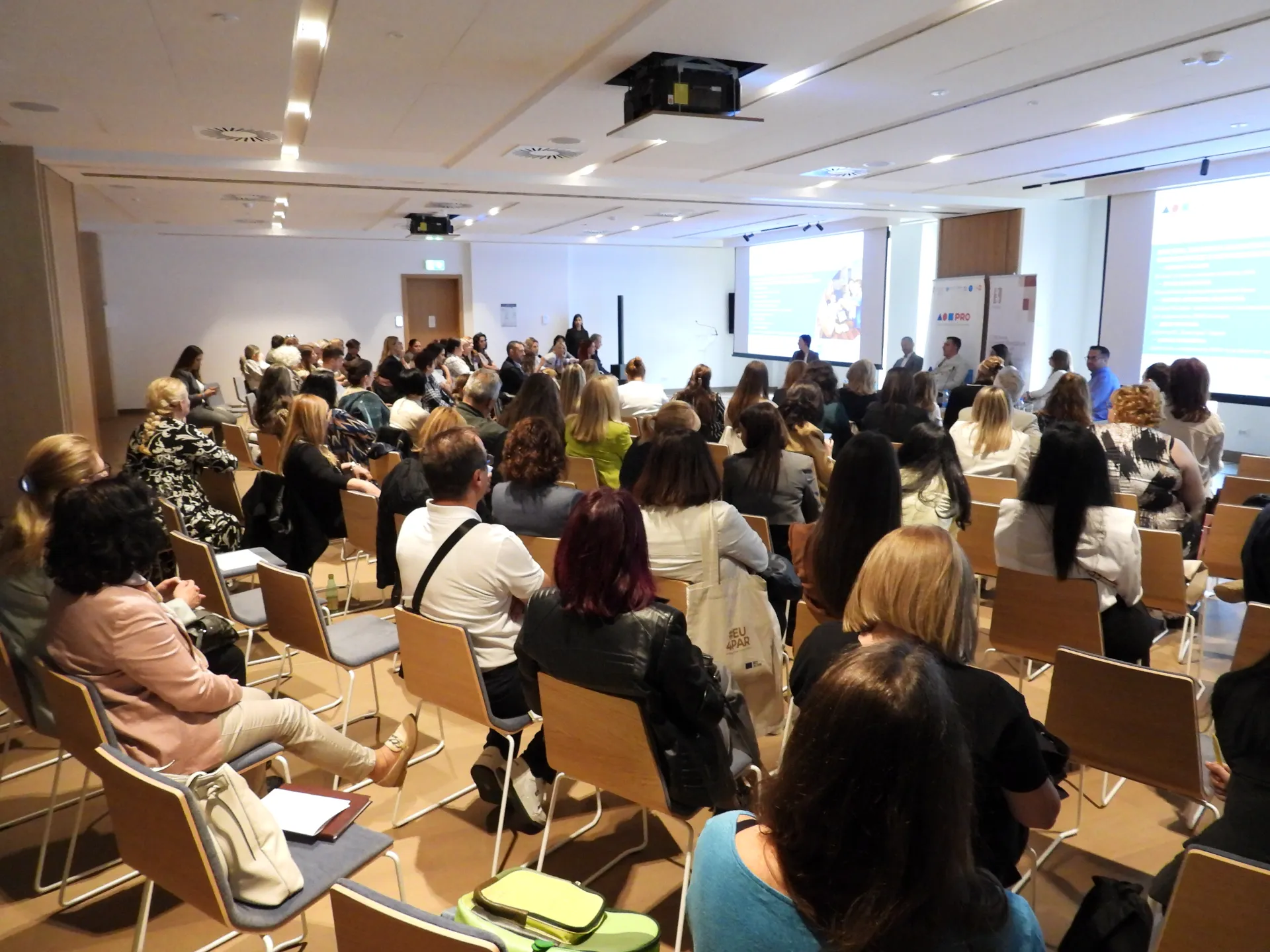
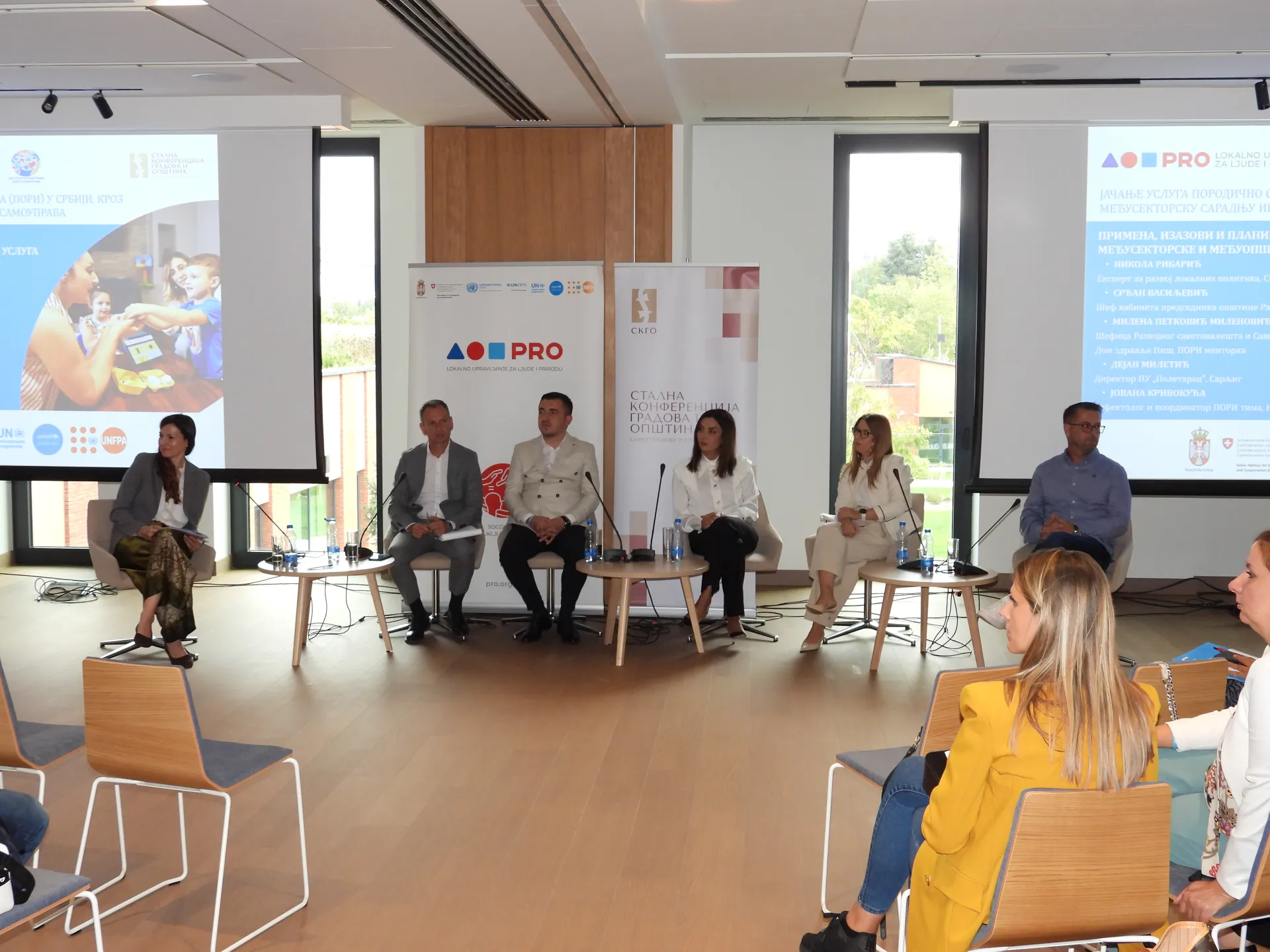
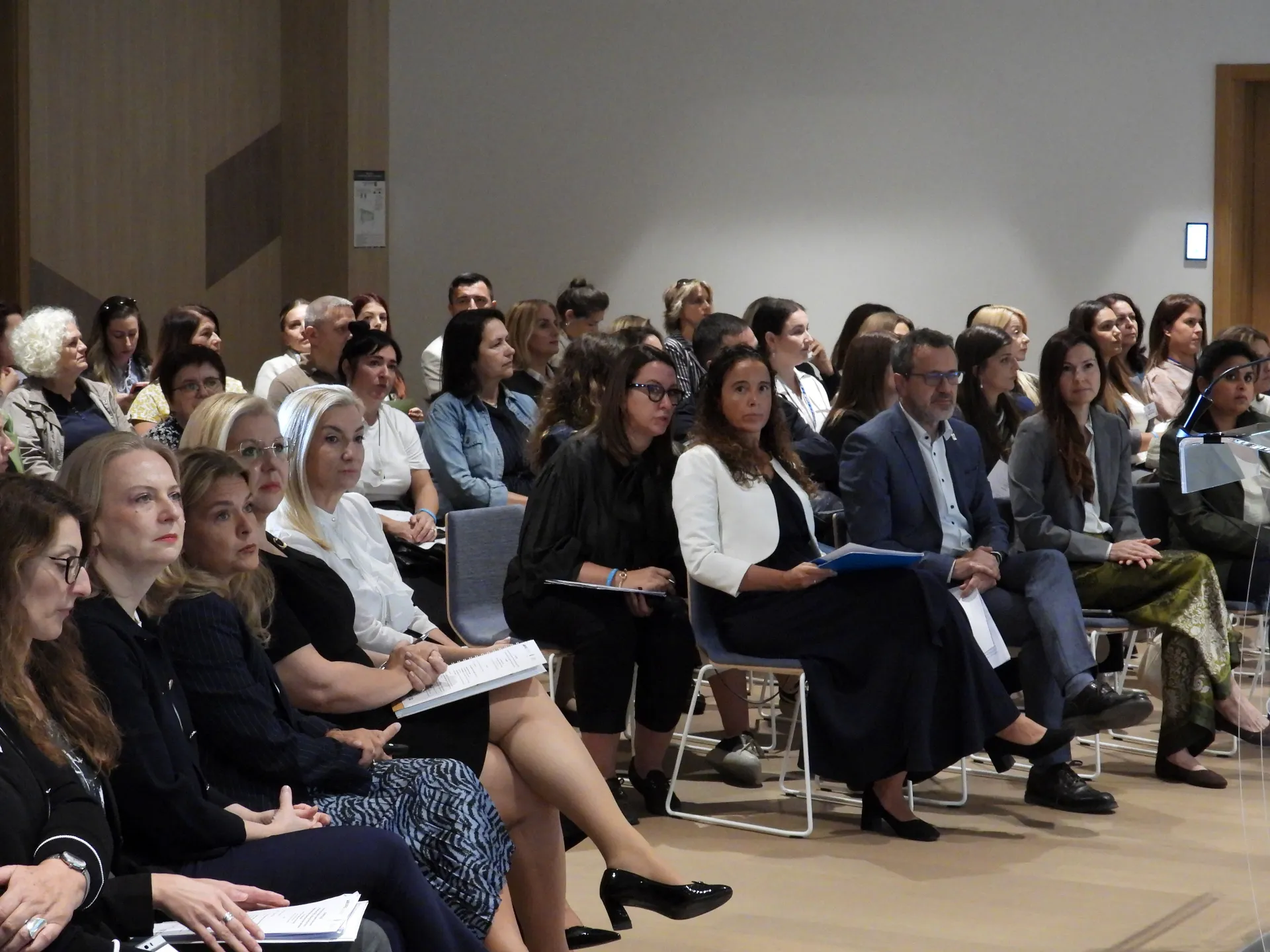
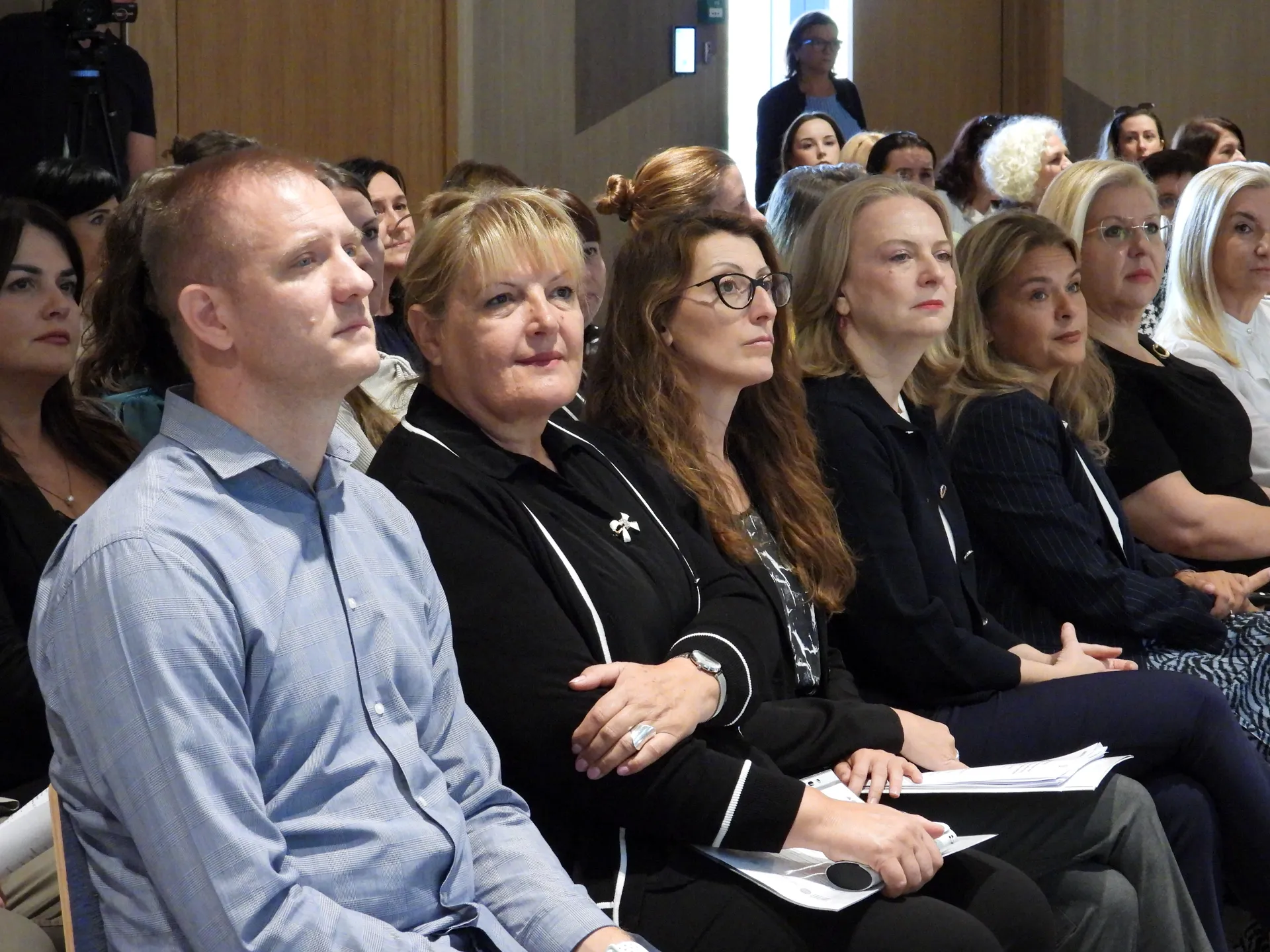
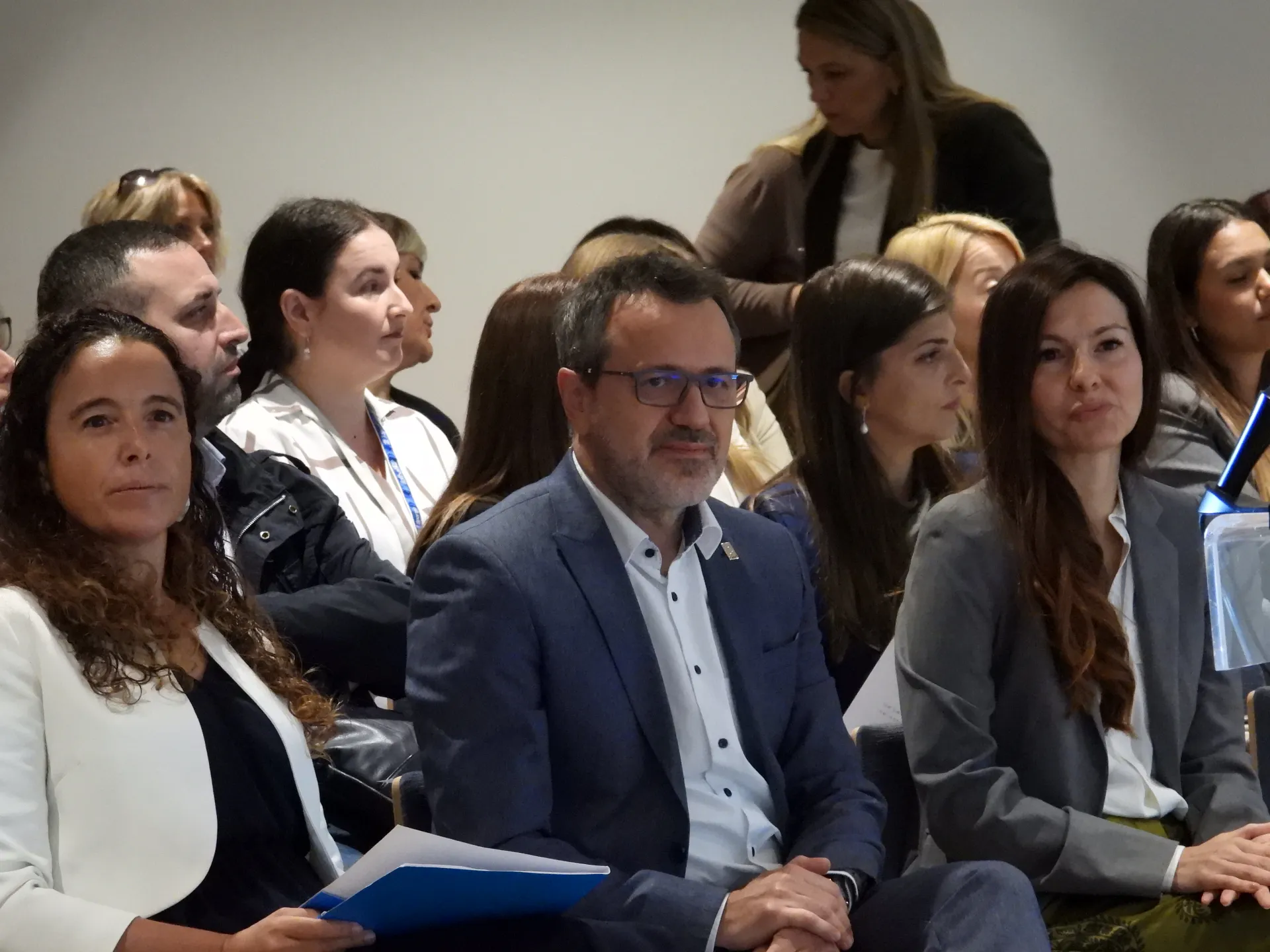
Belgrade, September 23, 2026 - Family-oriented early interventions (PORI), which connect health, education and social protection so that children with developmental difficulties and disabilities and their families receive timely and coordinated support, are now available in 80 percent of districts in Serbia. Their further expansion and sustainability were the focus of the conference held today at the Institute for Early Child Development and Inclusion in Belgrade.
The conference brought together representatives of competent ministries, local self-governments, institutions and experts in order to review the results so far and the next steps towards the availability of quality services throughout Serbia. An important part of that process is the further strengthening of systemic and regulatory conditions for the development of early interventions, especially within the health system.
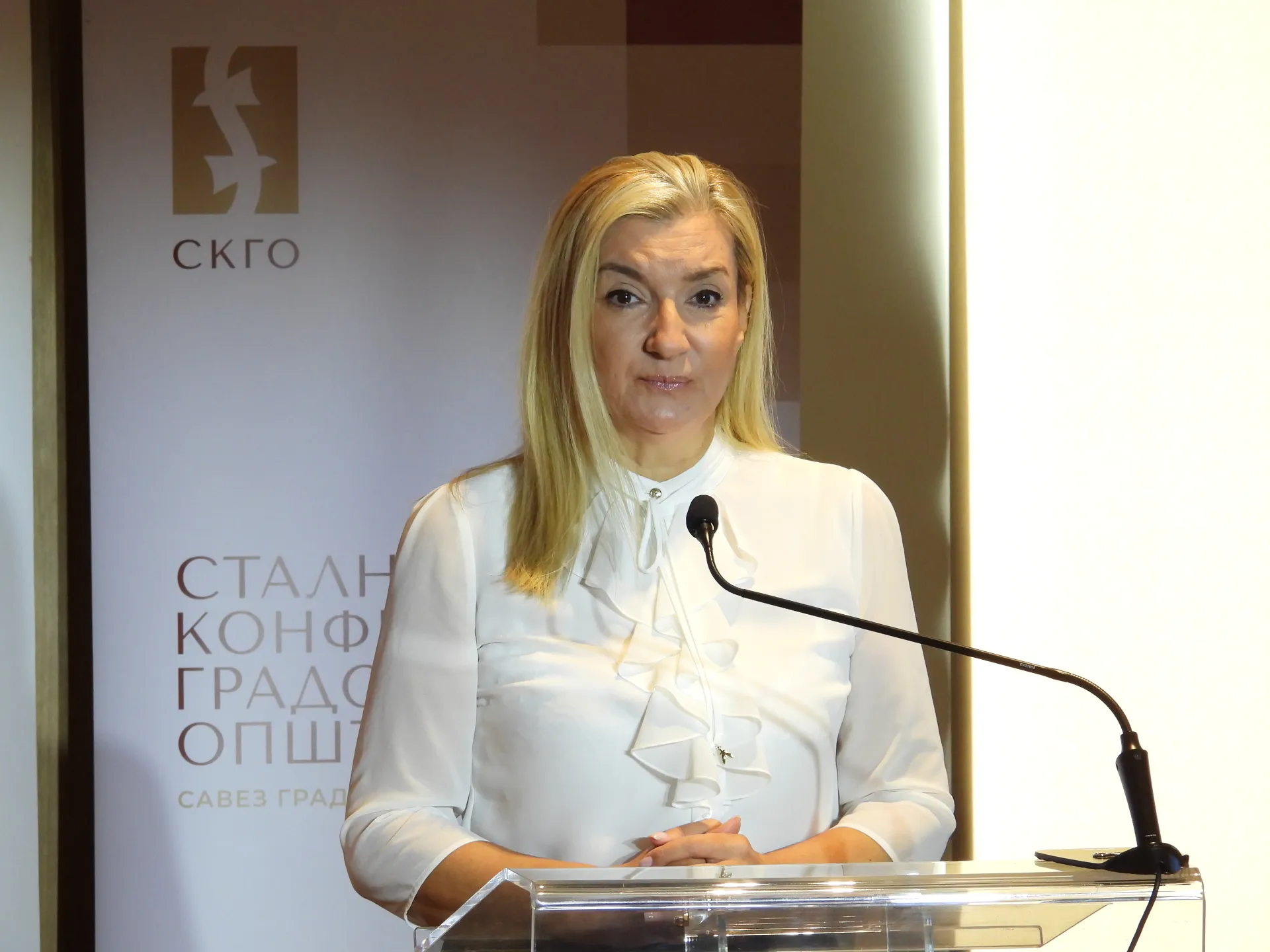
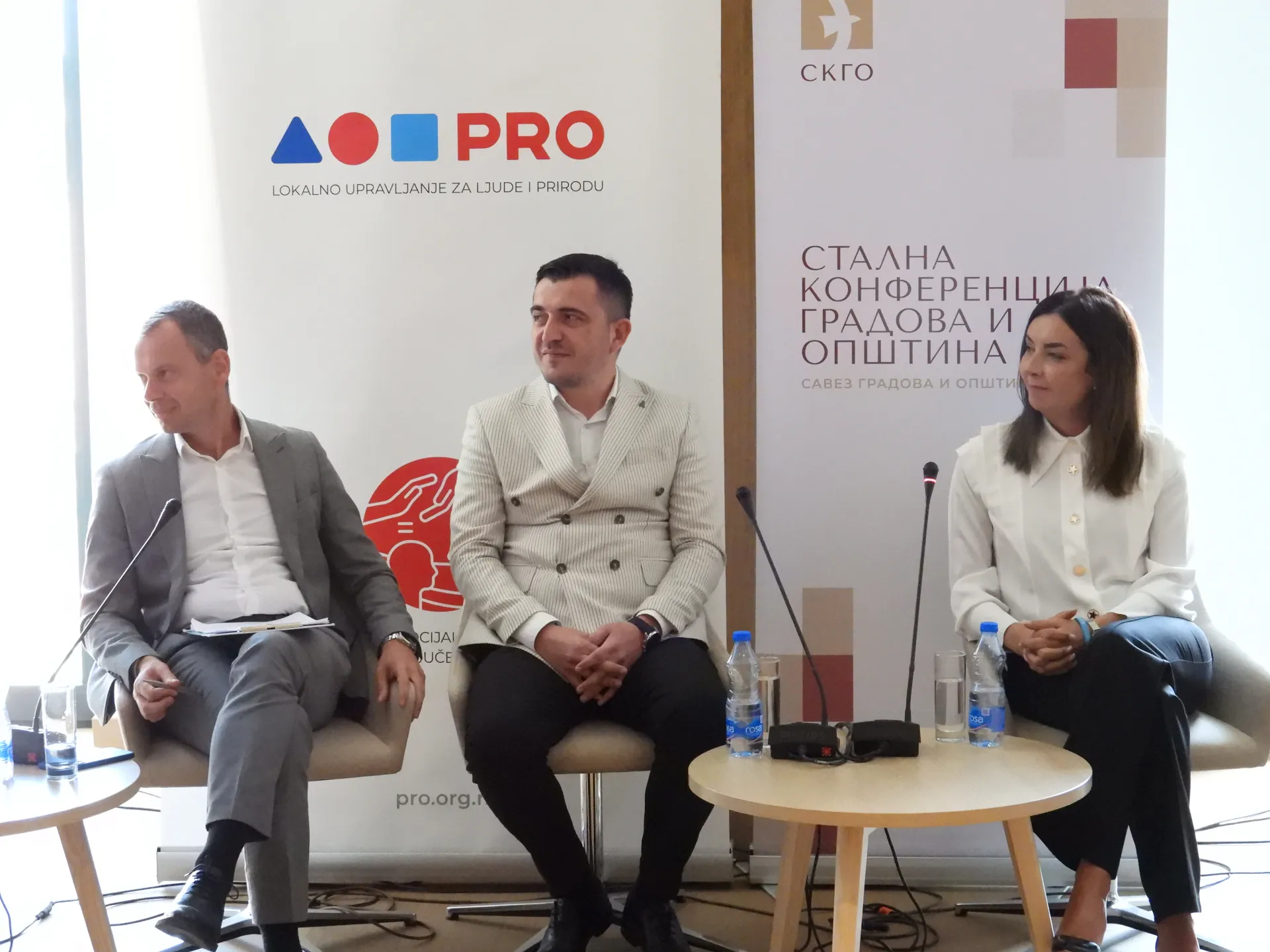
"By amending the by-laws, the Ministry of Health creates the conditions for support for children with developmental disabilities and their families to be more accessible and closer to where they live, through developmental counseling centers in health centers in each district, support from experts in the family home and kindergarten, video counseling and intersectoral teamwork. By establishing the Institute for Early Child Development and Inclusion, we further strengthened the connection of experts and services across the country, so that every child and family receives timely, high-quality and coordinated support," she said. prof. Dr. Ivana Stašević Karličić, State Secretary in the Ministry of Health.
Further expansion of services requires stable systems and capacities so that quality support is available to every child who needs it.
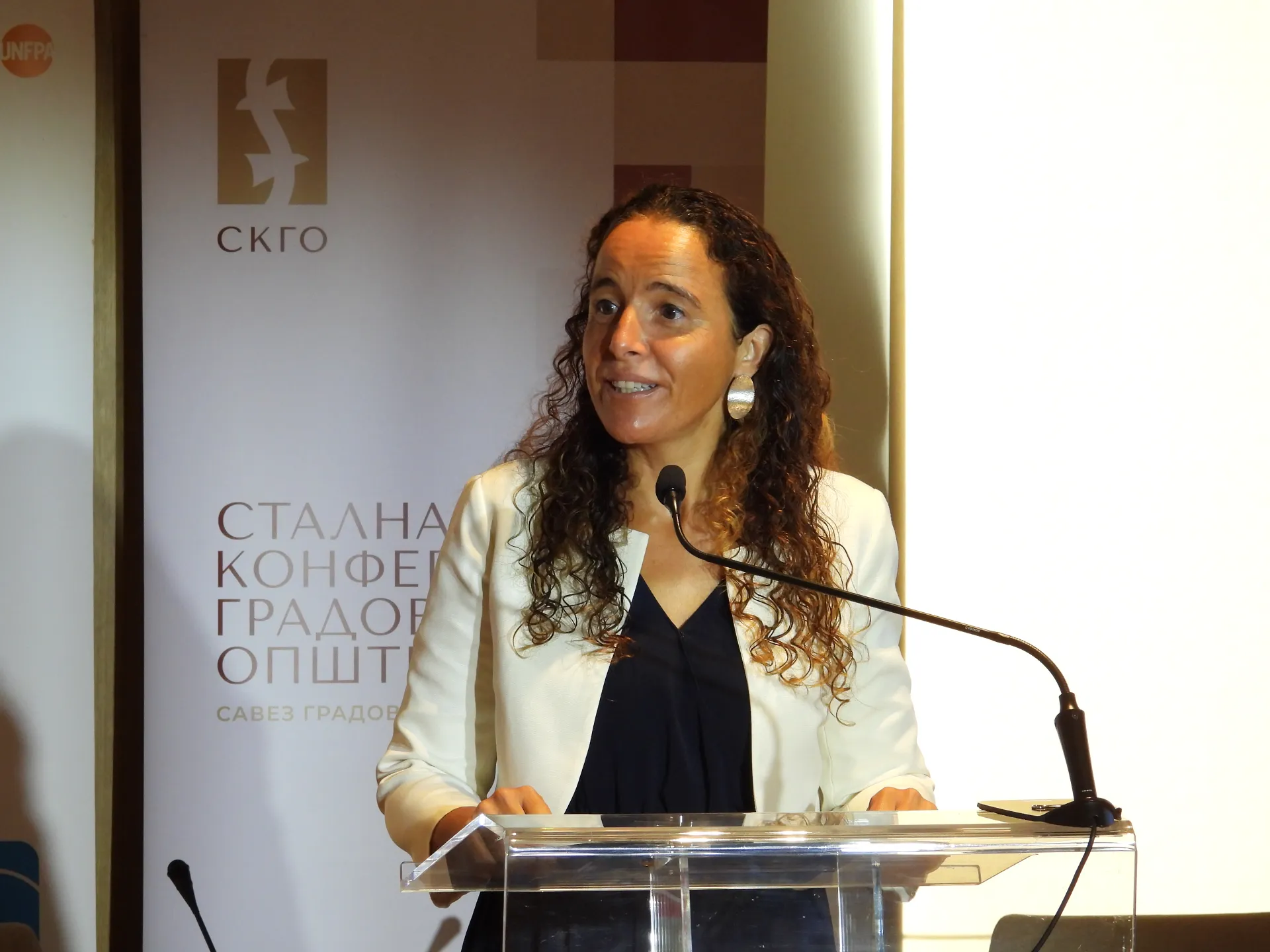
"Every child with developmental difficulties or disabilities should have access to timely and quality support, regardless of where they live. Serbia has built strong foundations of family-oriented early interventions, and now the priority is to make these services sustainable and available throughout the country. UNICEF, together with national and local partners, is strengthening the systems and local capacities needed to achieve this goal," said Karol Vinjo, Deputy Director of UNICEF.
Local self-government plays an important role in the sustainability of services, because it has a unique position to connect and coordinate the work of the health, social protection and education systems and other service providers. Since last year, services have been extended to 16 smaller municipalities in four target districts, while this year 16 local governments have planned and allocated around 15.6 million dinars for PORI.
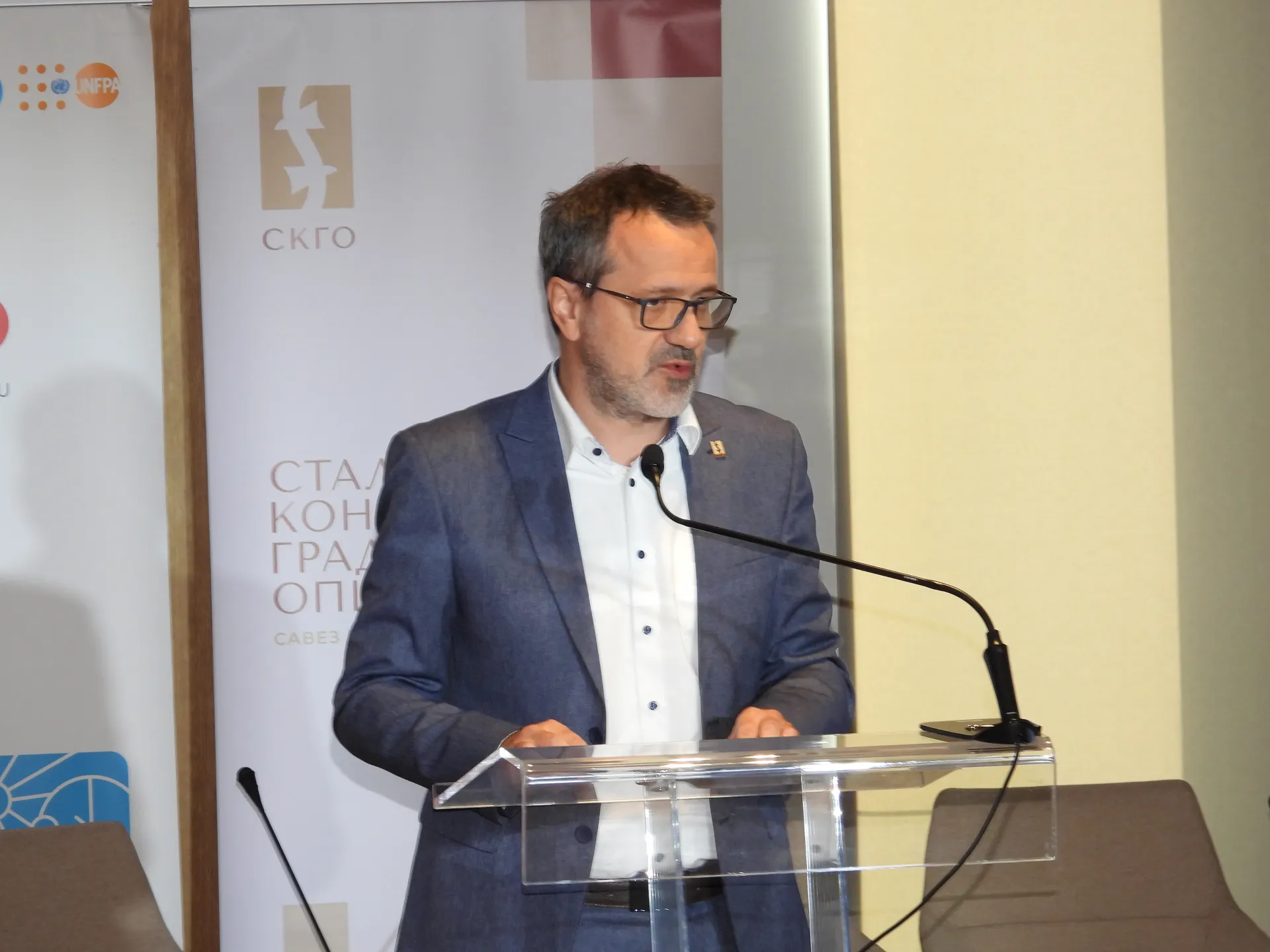
"None of these systems, no matter how developed and professional, can independently respond to all the complex needs of children and families. Only through interdepartmental cooperation do we create the conditions for providing integrated, innovative and quality services that put the user in the center of attention," said Ivan Milivojević, Deputy Secretary General of the Permanent Conference of Cities and Municipalities.
The PORI model is precisely based on such cooperation. Experts from health, education and social care work as a team with the family, and support is provided in the child's natural environment, at home, in kindergarten and in the community.
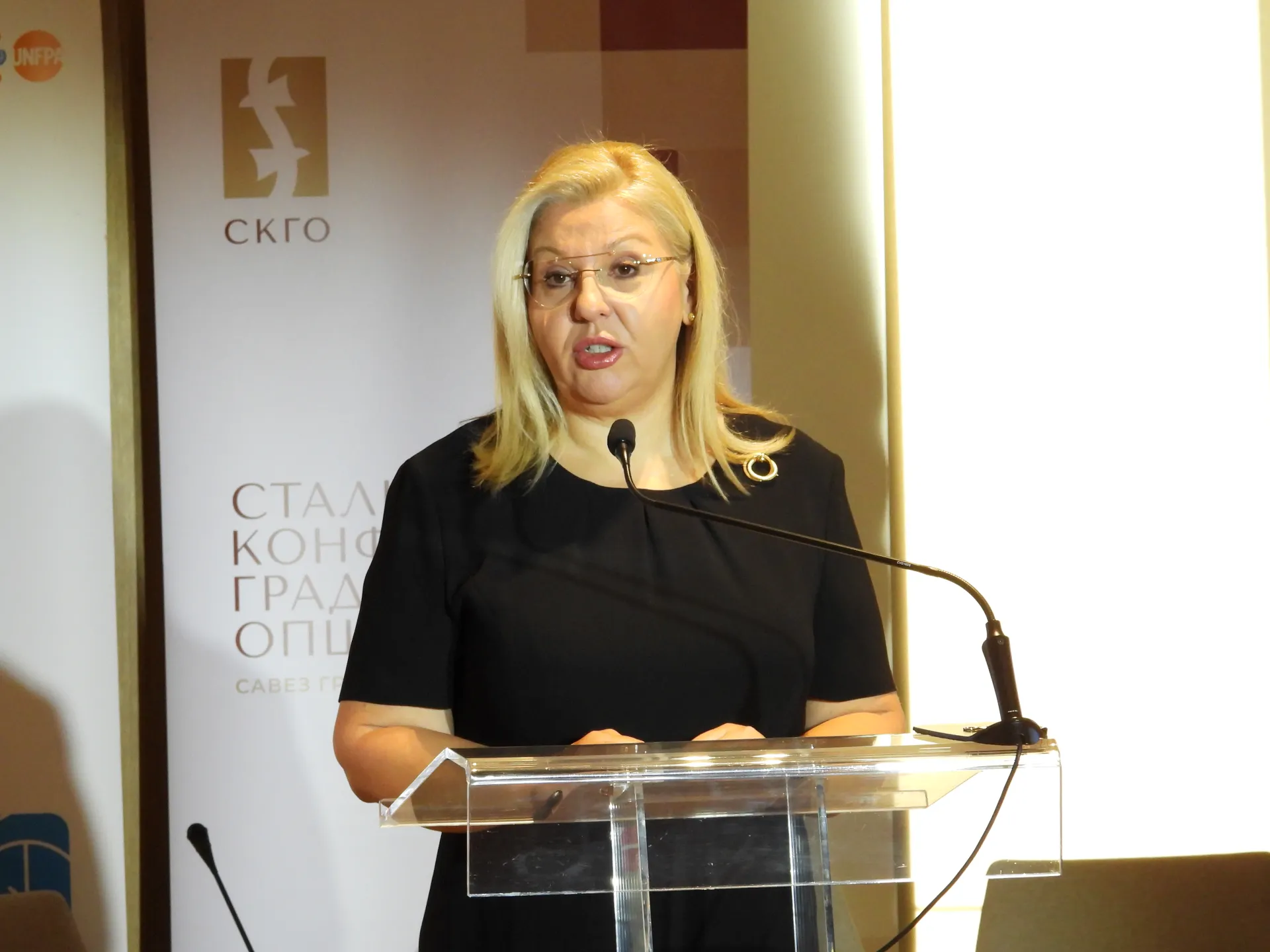
"Early intervention is a connected system in which the health, social and educational sectors, together with local communities, work in a timely manner and as a team, and it is initiatives like this, which UNICEF gathers and supports, that contribute to the Institute for Early Child Development and Inclusion already today being a place that connects experts, institutions and families and develops this system together with them," said Tatjana Subotić, director of the Institute for Early Child Development and Inclusion.
Next steps include further expansion of services, sustainable financing, regulatory solutions and strengthening of intersectoral and intermunicipal cooperation, with a special focus on children and families who need support the most.
The conference was jointly organized by the Standing Conference of Cities and Municipalities (SKGO), UNICEF and the Institute for Early Child Development and Inclusion, as part of the "Child's Rights in Local Self-Governments" project, which is implemented as part of the "PRO - Local Management for People and Nature" program. The program is jointly implemented by UNOPS, UNICEF, UNFPA and UNEP, in cooperation with the Government of the Republic of Serbia and with the financial support of the Government of Switzerland.