06/18/2021
The panel on property management at local level delivered under the Exchange 5 Programme
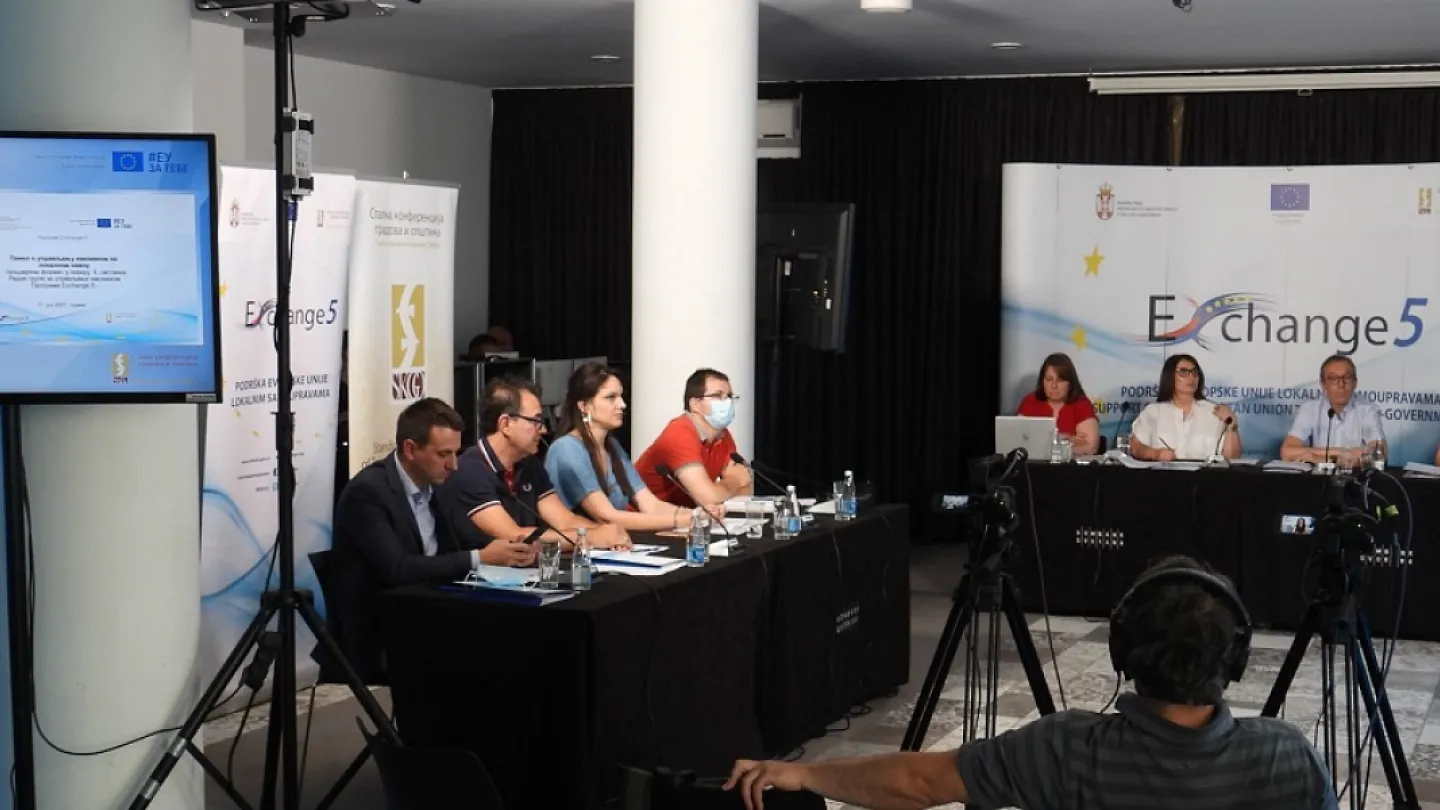
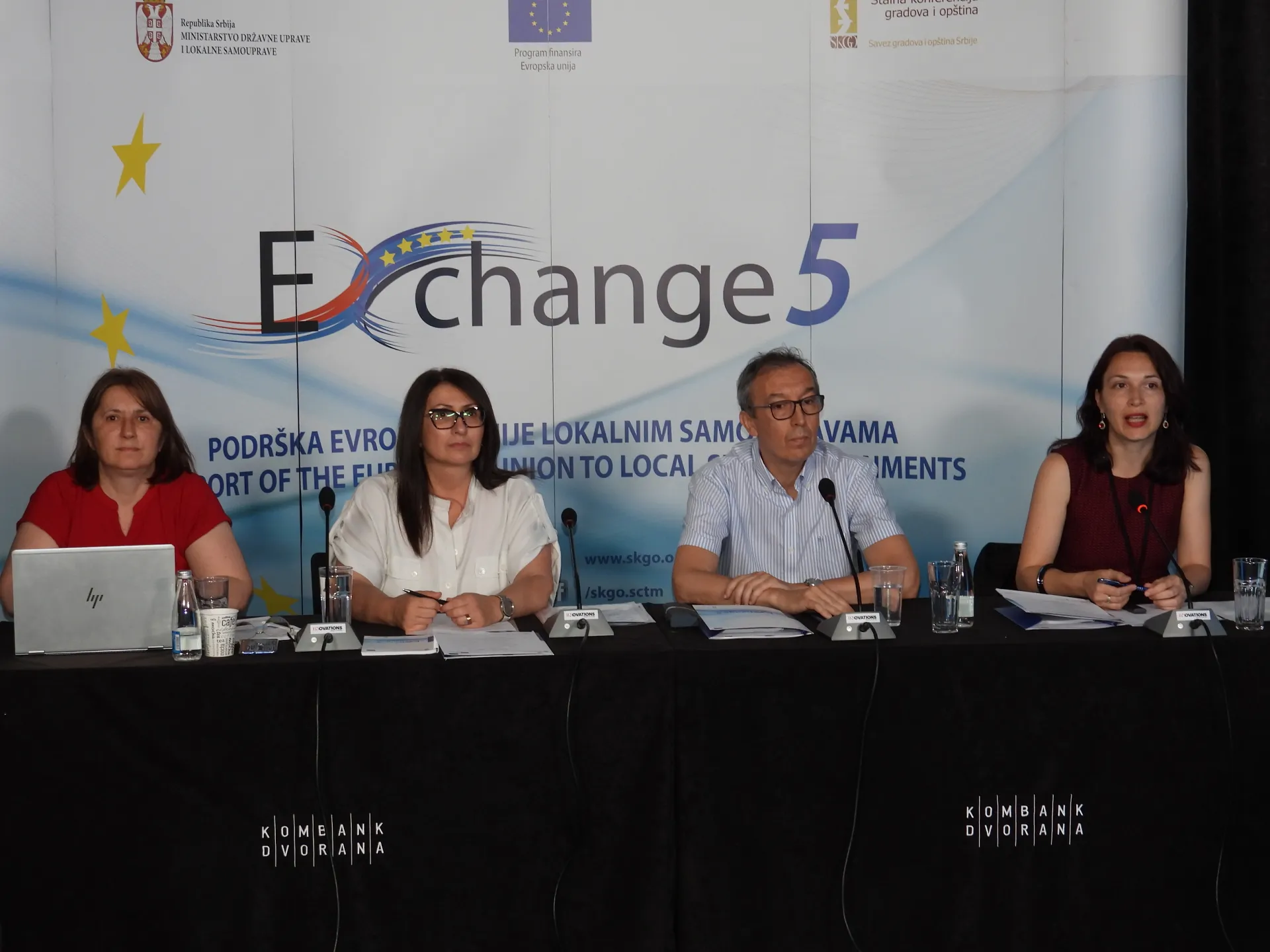
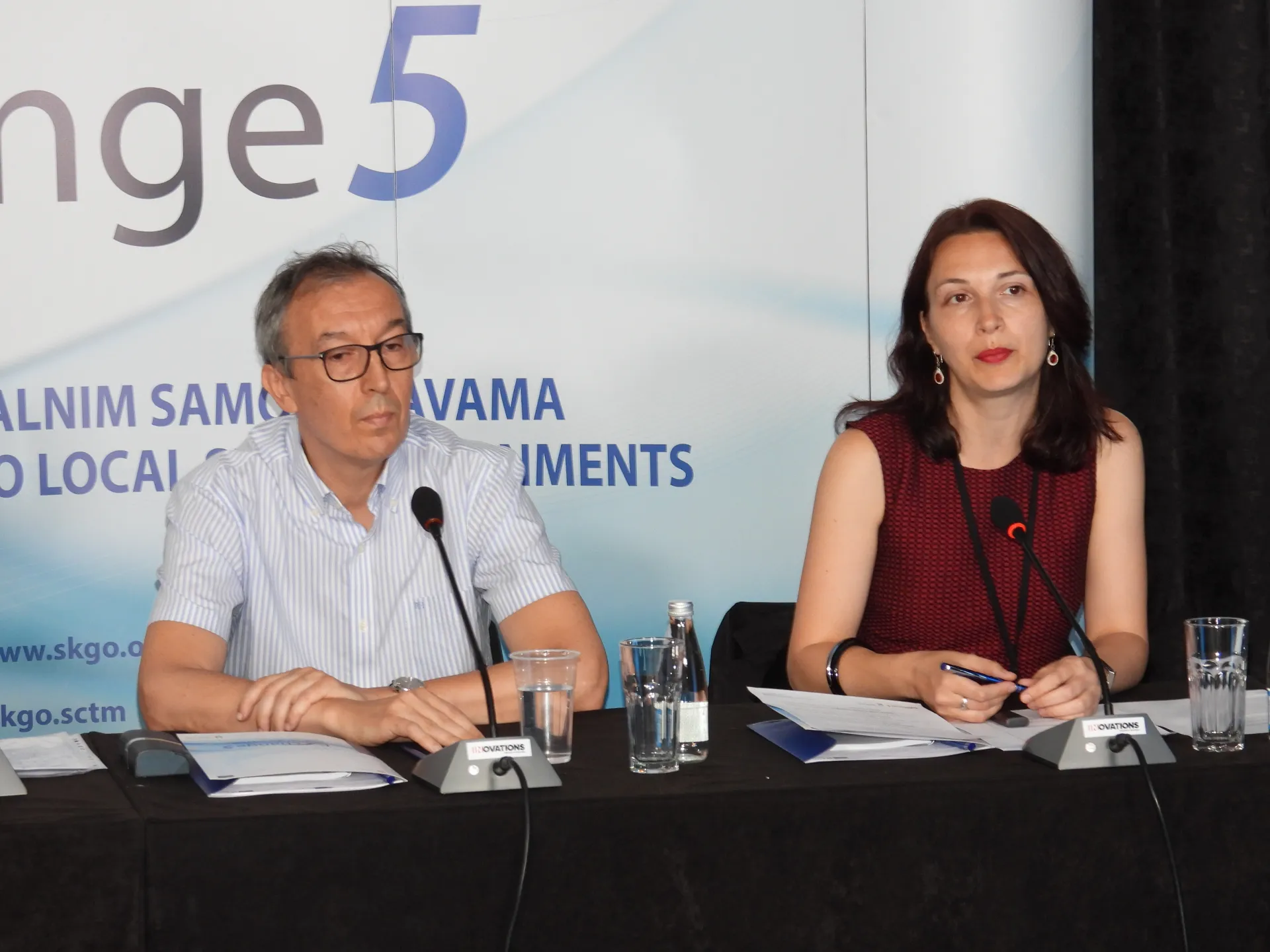
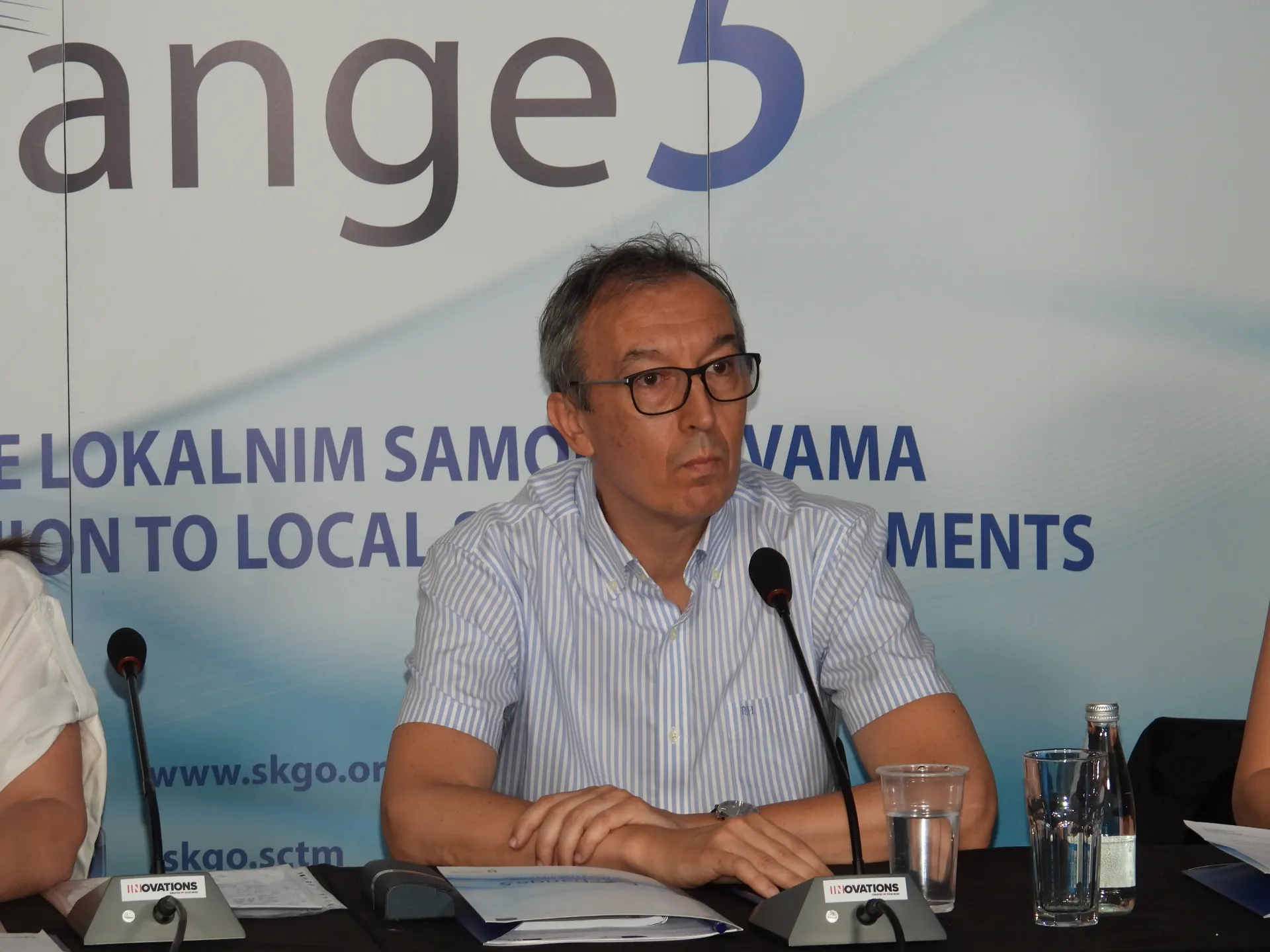
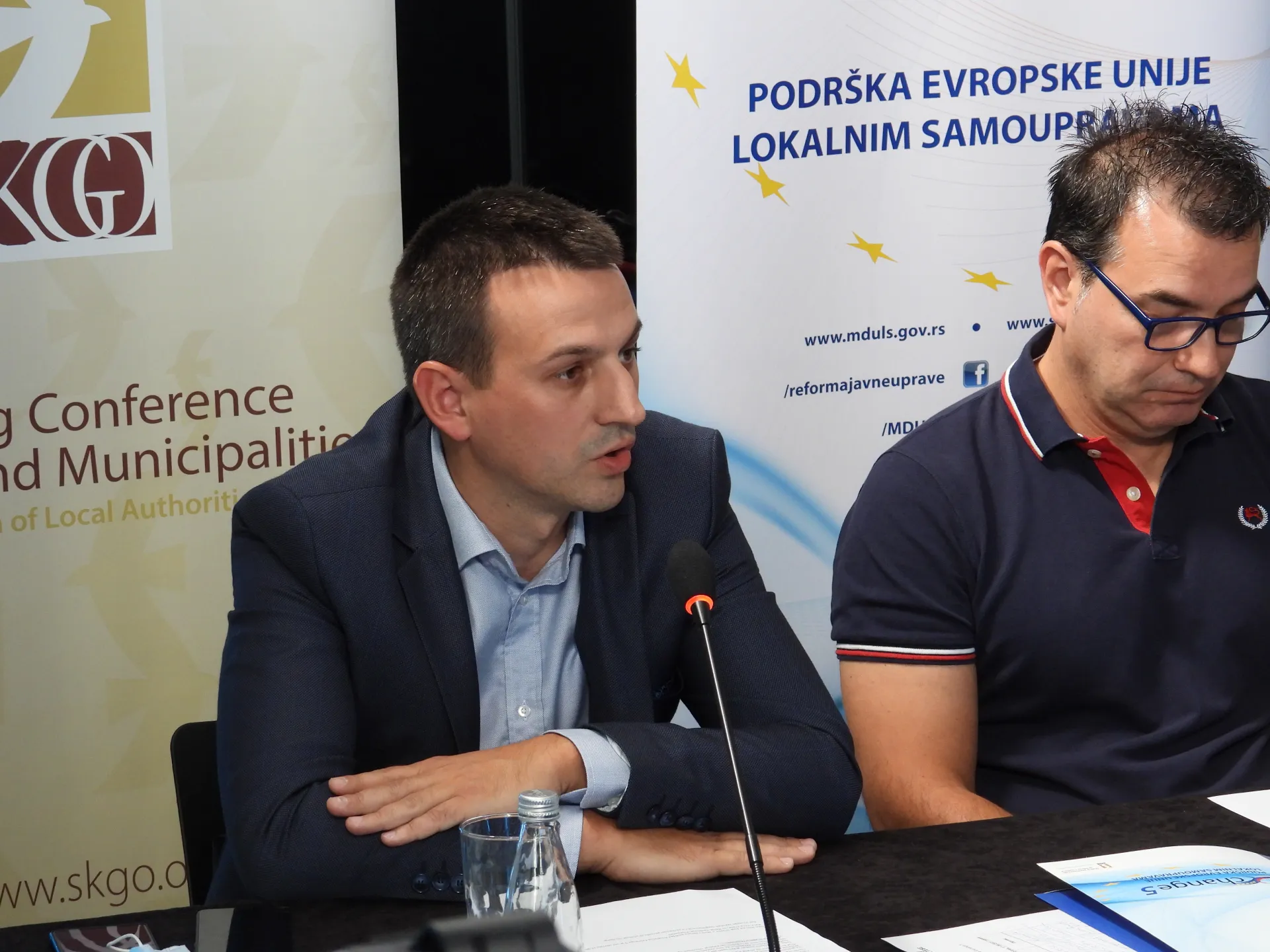
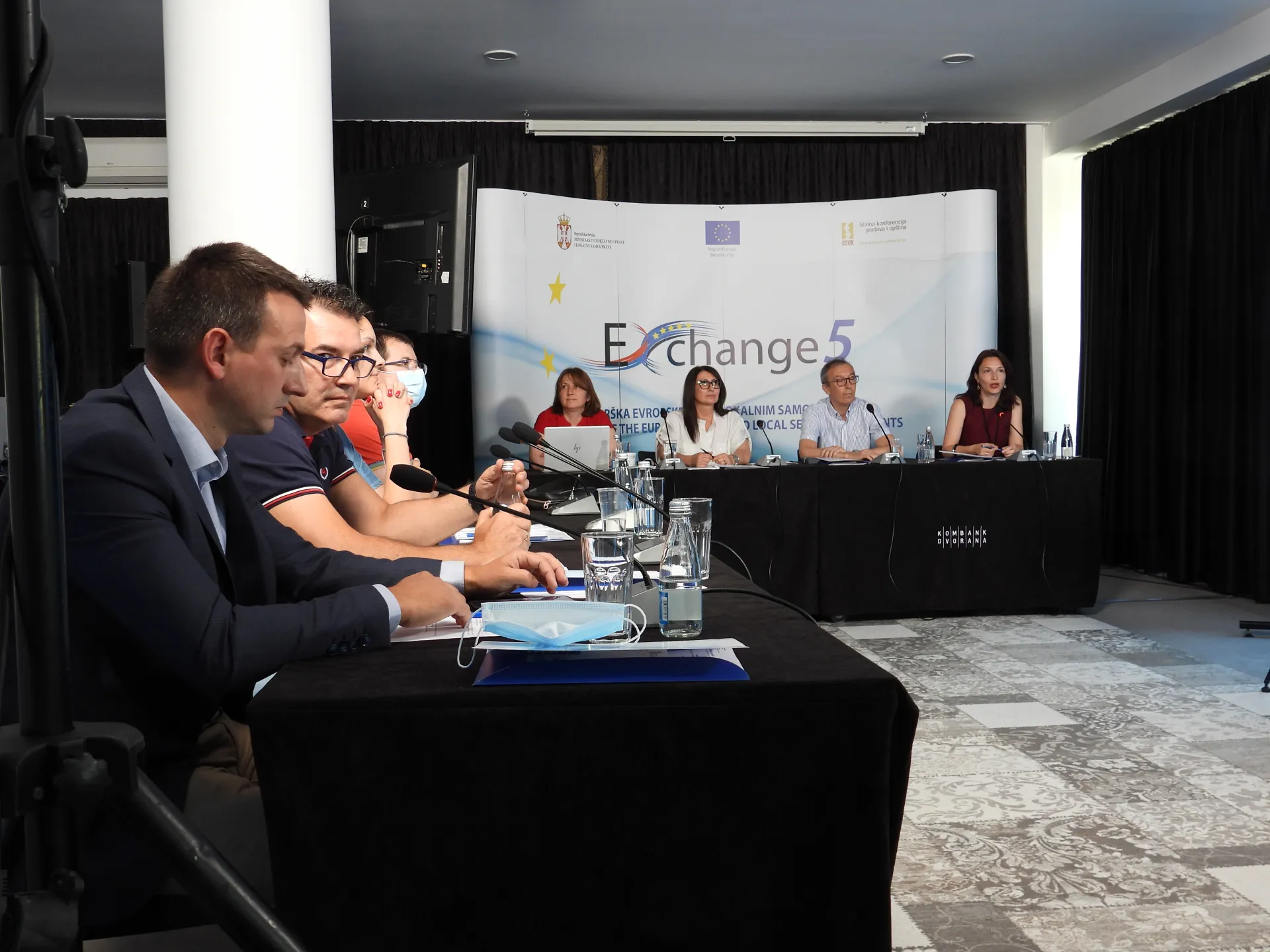
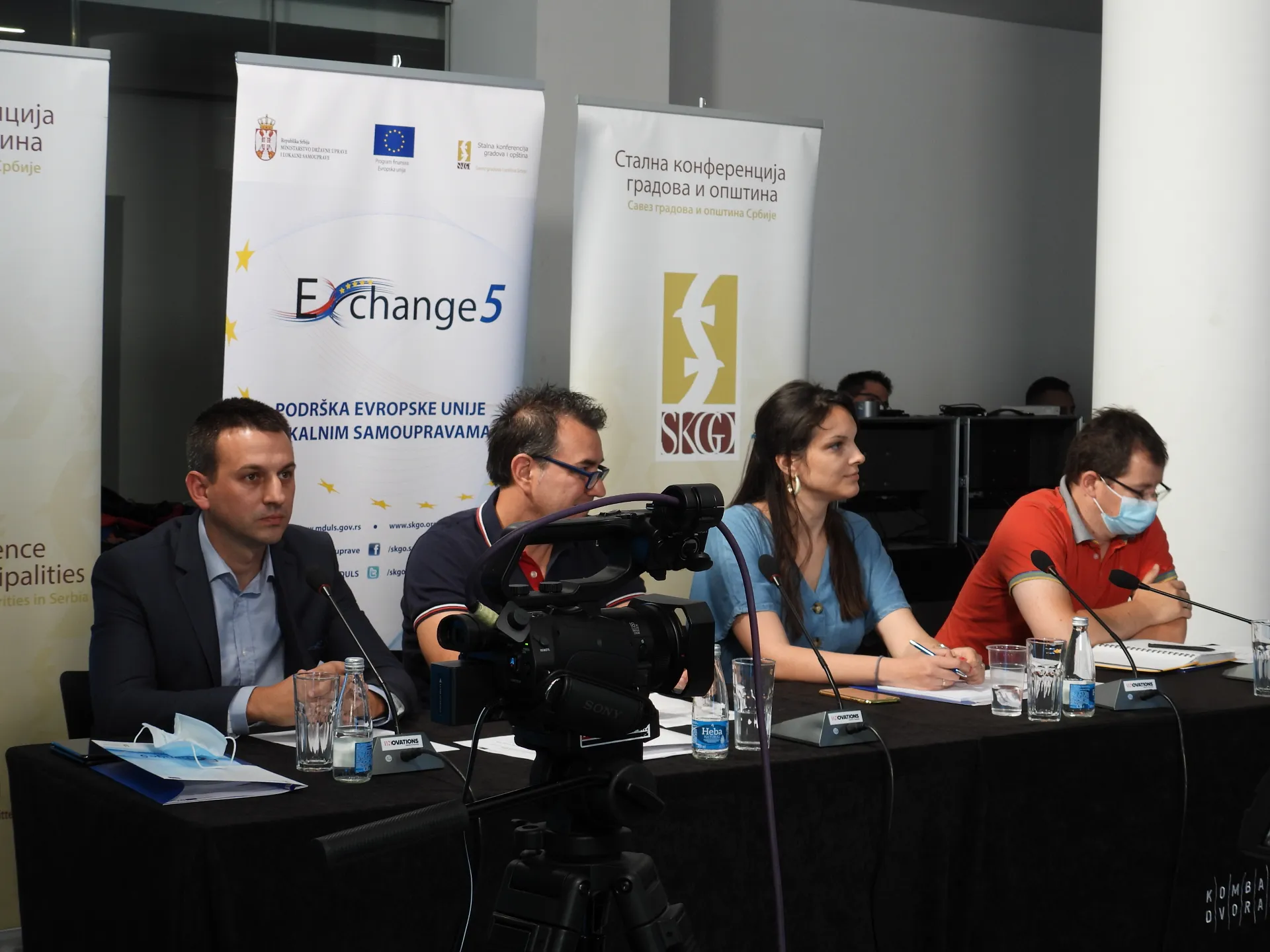
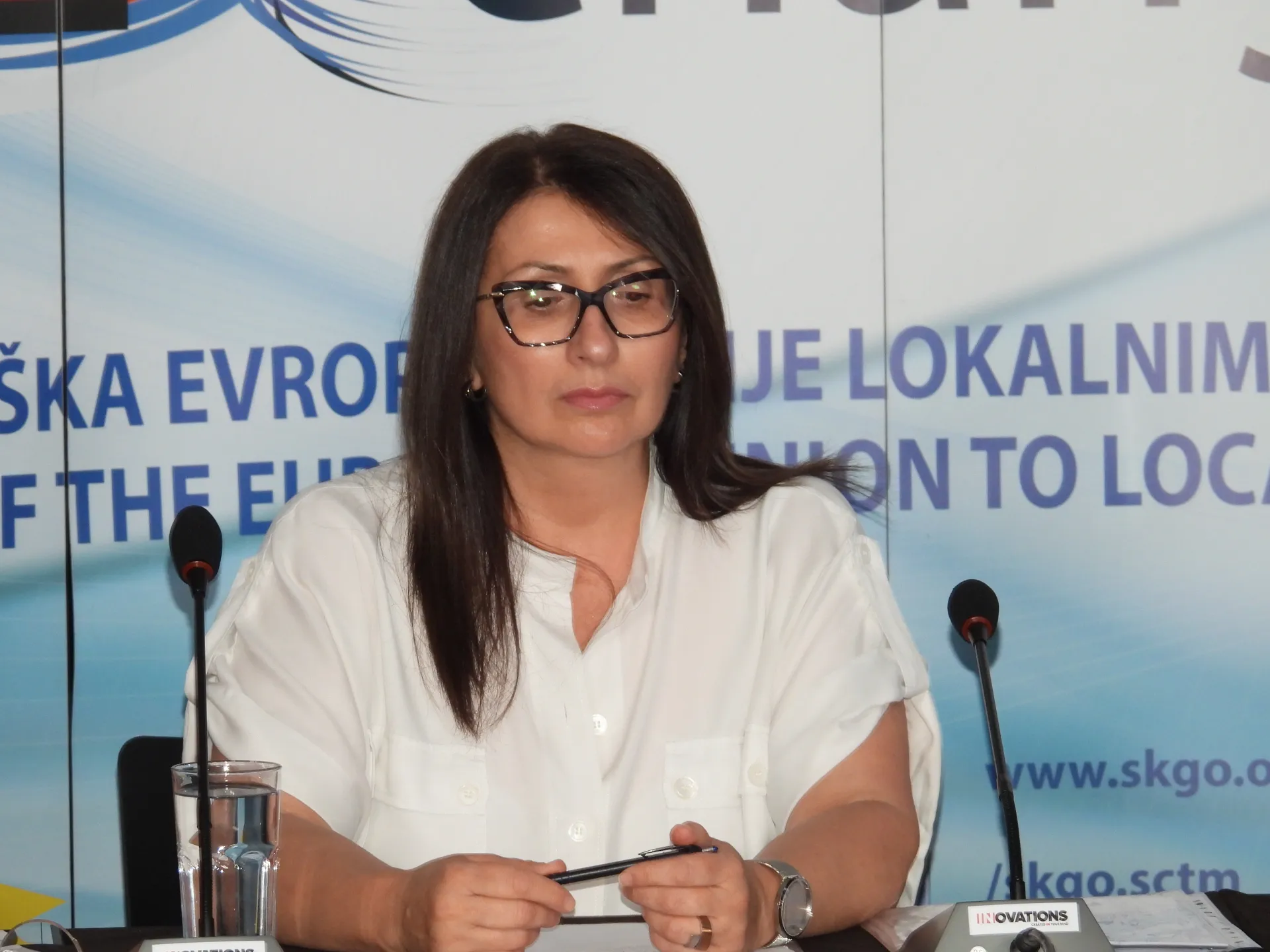
The panel on property management at local level under the Exchange 5 Programme was delivered on 17 June 2021. The Programme is funded by the European Union and implemented by the Ministry of Public Administration and Local Self-Government (MPALSG), Ministry of Finance (MIFN)- Department for Contracting and Financing of EU- funded Programmes and Standing Conference of Towns and Municipalities (SCTM).
The panel was organised in the extended format of the fourth meeting of the Programme working group on property management, with online attendance of representatives of local governments and other interested parties. The Panel topics included presentation of the draft LSG Property Management Manual and model Rulebook on LSG Public Property Registers, same as examples of good practice in this area developed within the Exchange 5 Programme grant scheme. The participants in this panel were presented with the main cumulative results achieved within the support provided in scope of the Programme to LSGs in the property management domain.
Nataša Radulović, head of the Group on Monitoring and Implementation of Projects within the Ministry of Public Administration and Local Self-Government stated that this ministry was the beneficiary of the Exchange 5 Programme in indirect management regime and thus played an important role in monitoring its implementation.
“The support of the Programme in the area of property management was of relevant because it is focused on local self- government financial capacity building, and thereby on the competitiveness of the Serbian economy. In that sense, the support provided by the Programme in the past several years was of great importance in the public property inventory and registration process, process of establishing sustainable property management units in local self- governments, in improving the real estate database, implementing geodetic surveys of aboveground and underground facilities, buildings and networks, and in developing subdivision studies and drafting cadastral and topographic plans and real estate valuation”, said Radulović.
Saša Novaković from the Ministry of Finance Sector for Property and Legal Affairs stressed that the Law on Public Property entered into force 10 years ago and reflected on the results of its implementation given the systemic changes introduced by setting forth ownership rights of the local self- government.
“Standing Conference of Towns and Municipalities has recognised the importance of this Law and assisted local self-governments a lot in its implementation and registering property in public register”, said Novaković. He also expressed his hopes that the deadline for registration of local self- government property would not be extended this year, which would mean that towns and municipalities have done a lot in teh area of registration.
Milena Radomirović, SCTM Exchange 5 Programme manager presented particularly the Programme component one, underlying it was implemented in cooperation between numerous national and local institutions.
“Beneficiaries at local level quickly found their ways in this new indirect management regime of the European Union funds. Under its component one, the Programme directly worked with 48 local self- governments in scope of the grant scheme; within 20 support packages 20 local governments have received expert support in property management, and we also had activities covering all local governments in terms of capacity building”, stated Radomirović. She also added that the SCTM tried to follow all strategic public policy directions implemented by the state and contribute to amendments and supplements to the Law on Public Property in extending the coverage of the real estates registered ex officio.
Marko Tešić, SCTM public property advisor, underlined that during the Programme implementation period several model local decisions were developed, primarily the model Decision on acquisition, management, disposal and use of local government public property, followed by the model Decision on construction land and model Rulebook on registration of public property.
During the panel, Programme experts, Dragana Marković and Tatijana Pavlović Križanić, and the Programme team presented some of the prepared material and achievements within the Programme in the property management domain.
In relation to the model Rulebook on registration of public property, inter alia, the focus was on the importance of this act for improving coordination of work of different competent LSG services, but also of organisations founded by the LSG and PUC in delivery of property- legal, financial and other types of tasks oriented on property management. It has been explained that this act was not obligatory for LSGs, but all towns and municipalities were strongly recommended to adopt the Rulebook using the proposed model, highlighting positive experiences of LSGs that adopted this act under the support packages and adapted it to their own needs and organisational structure.
The draft LSG Property Management Manual was presented as the material summarising experiences acquired in the implementation of phase four and five of the Exchange Programme in the property management area, comprising the cut-off, methodological instructions for enhanced implementation of specific process phases at local level and recommendations both for LSGs and decision-makers at central level.
All panel participants were invited to ask questions, which was used by some of the LSG representatives, therefore during the panel answers were provided to the questions concerning the obligation of maintaining electronic public real estate registers by the real estate users, with a special emphasis on the systemic manner of regulating this issue at the entire local self-government level. The panel participant from one of the municipalities asked a question relating to the RGA obligation to forward the property data in Excel format, while another participant was interested in addressing specific ownership- legal problems in the area of determining the land for regular use of buildings. Generally, panel participants have used the Zoom chat option to positively evaluate efforts of the Exchange 5 Programme team and SCTM in the domain of development of local acts, primarily of the Rulebook on registration of publicly owned real estates.
The work in scope of the Programme and some of the implemented good practices that LSGs may find useful, were illustrated on the examples of 8 projects implemented within the Programme grant scheme on property management.
In addition to local government representatives, MPALSG, MFIN and SCTM, the panel was attended by the representatives of the Ministry of European Integration and State Audit Institution.