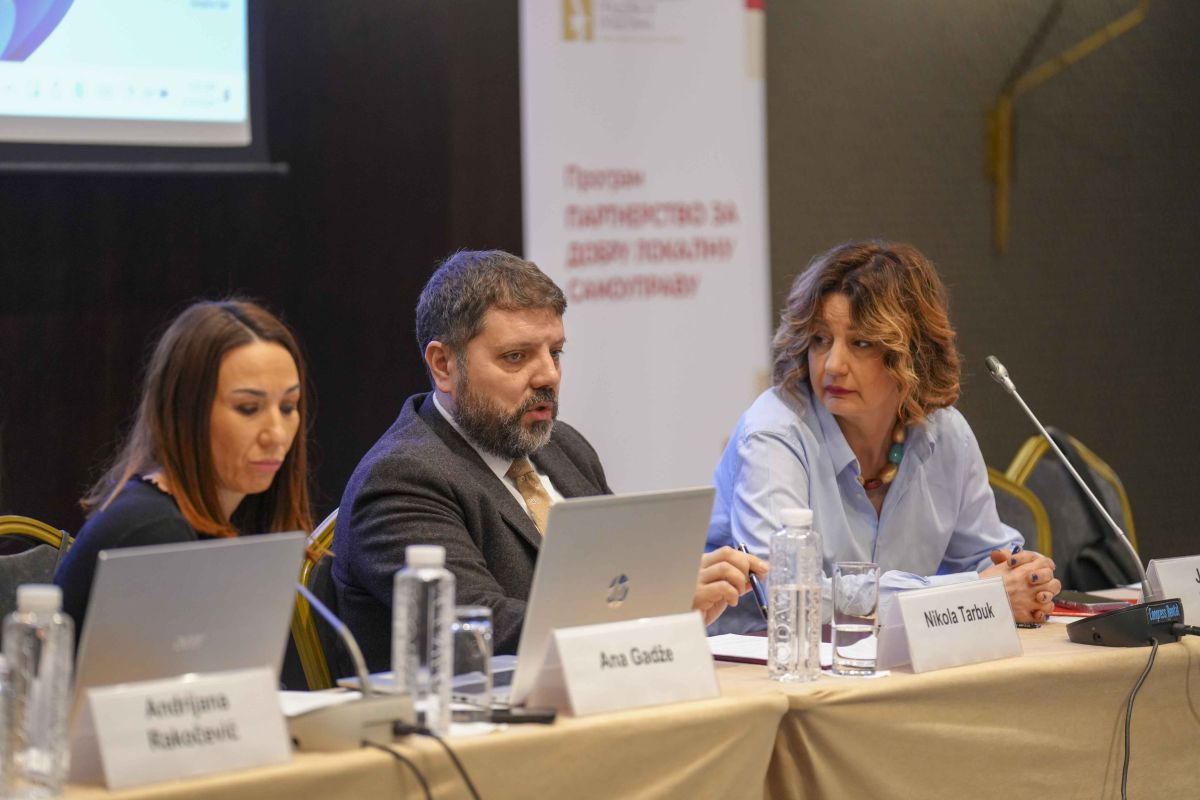
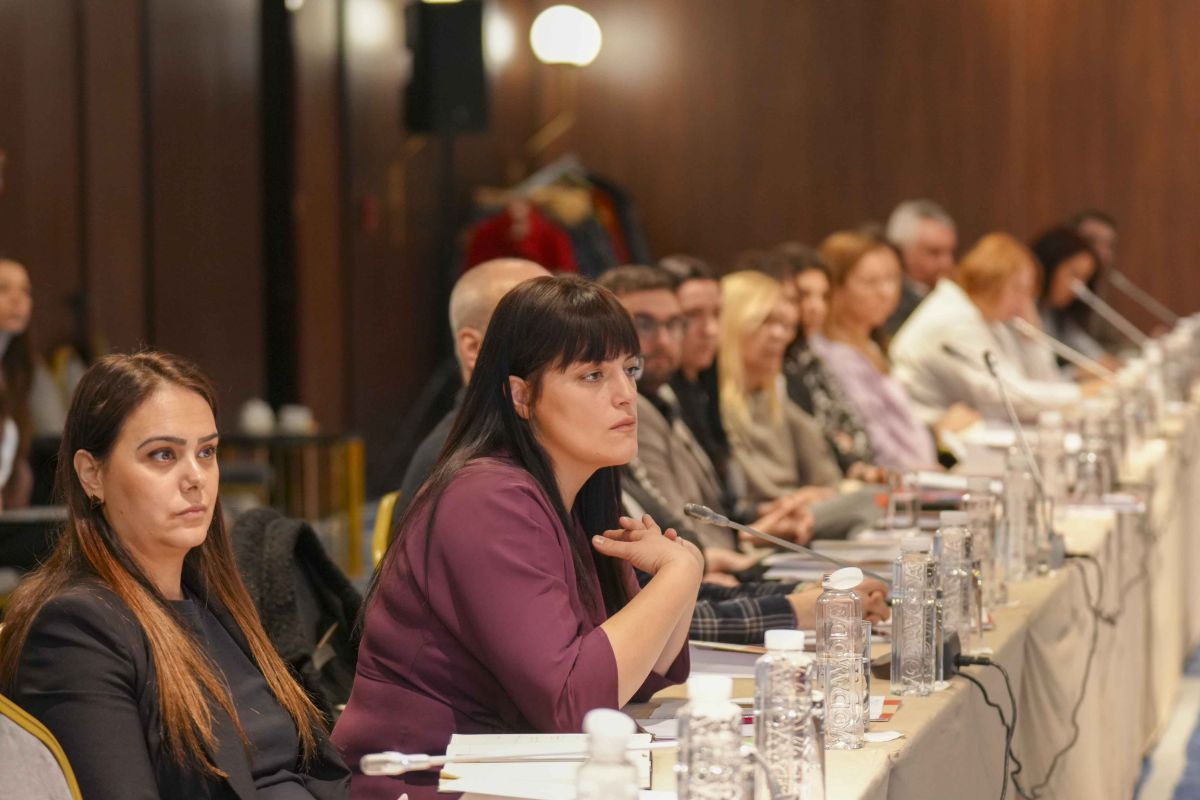
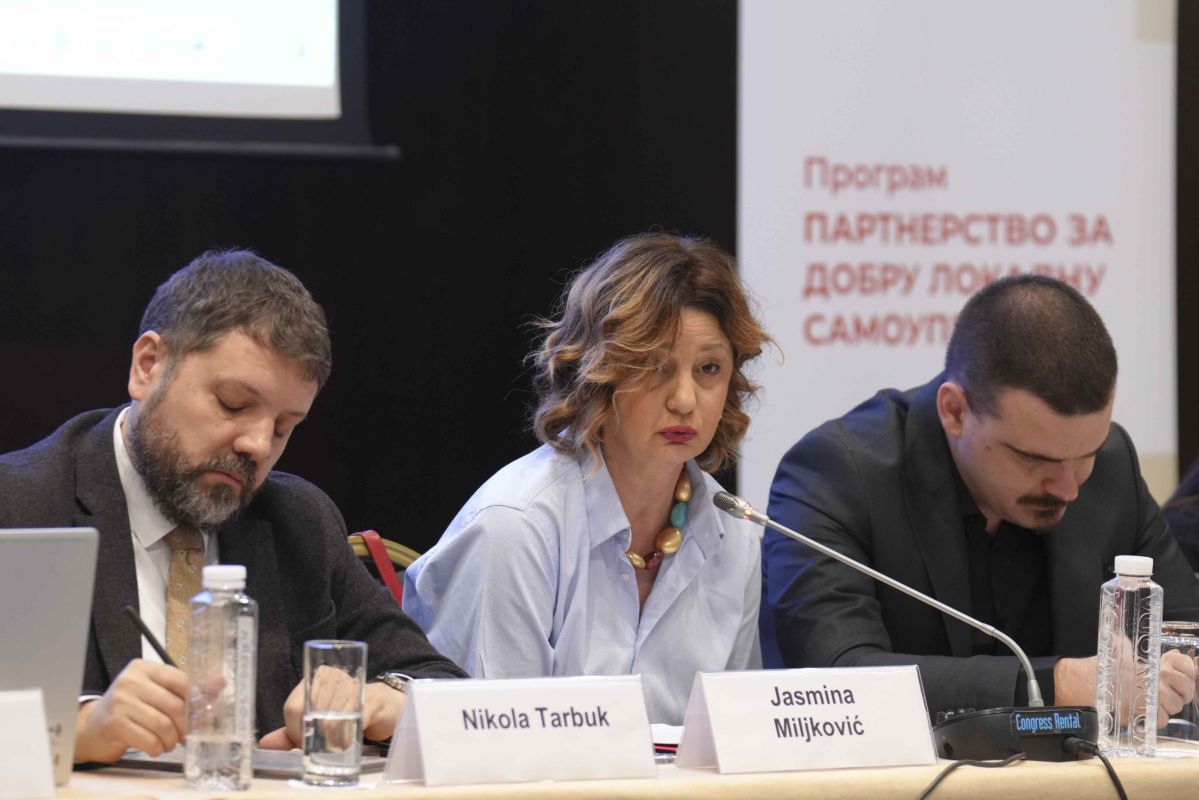
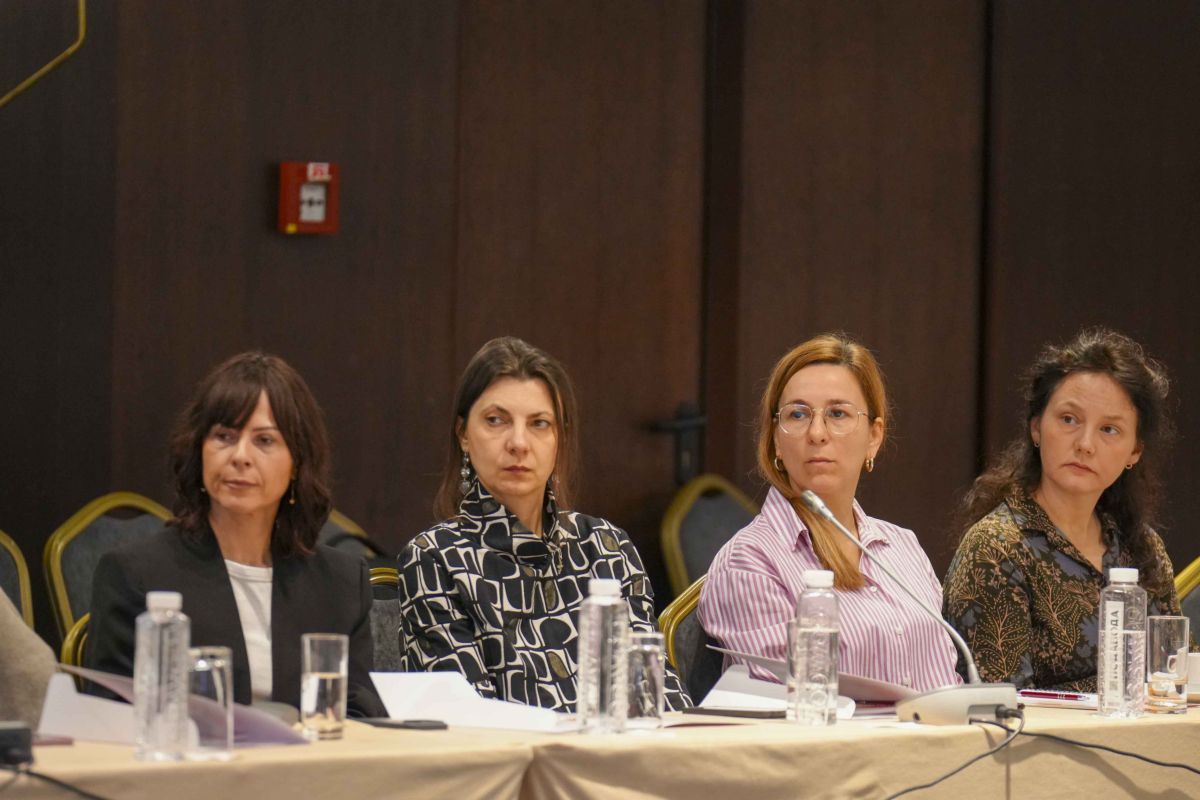
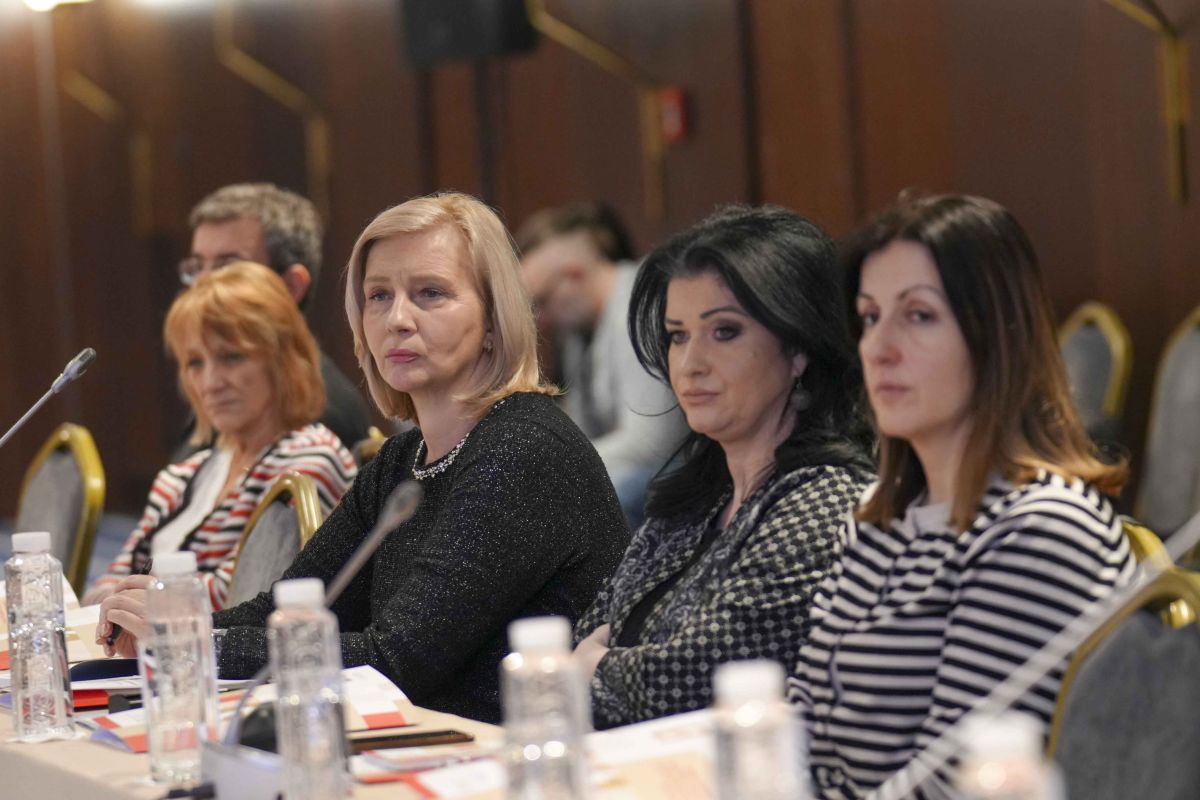
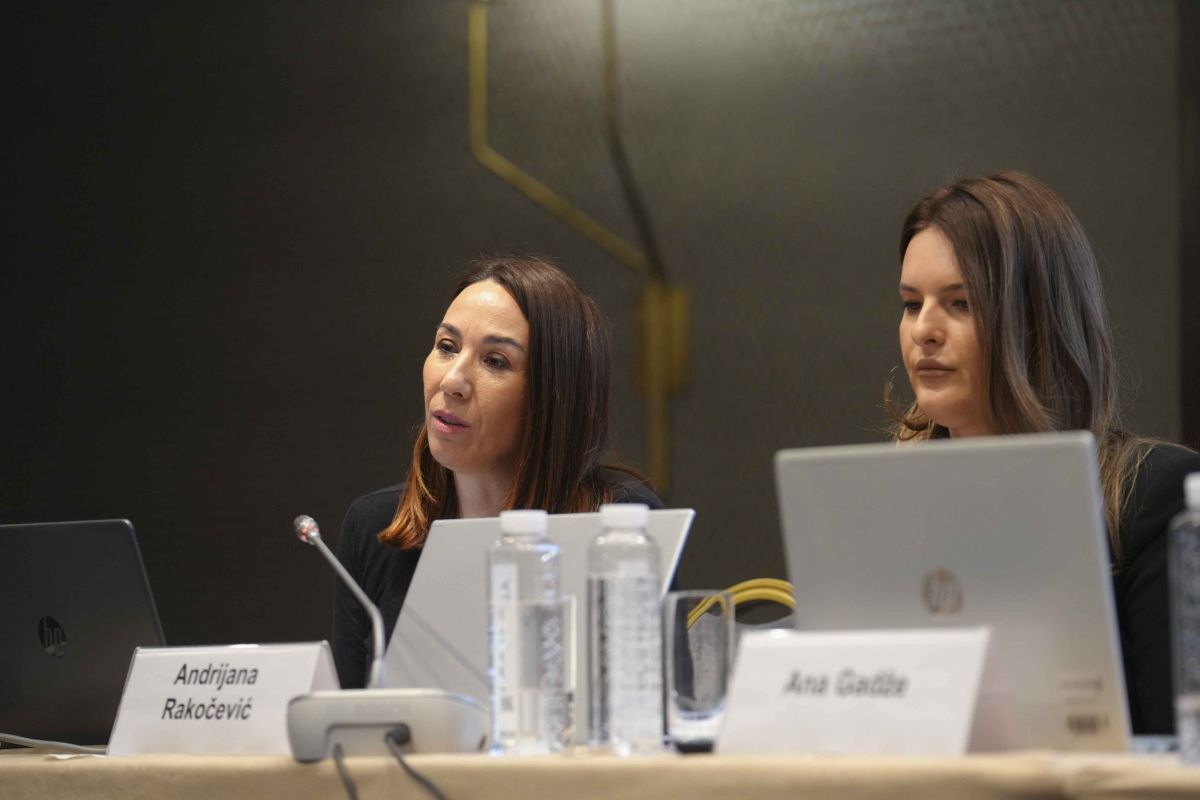
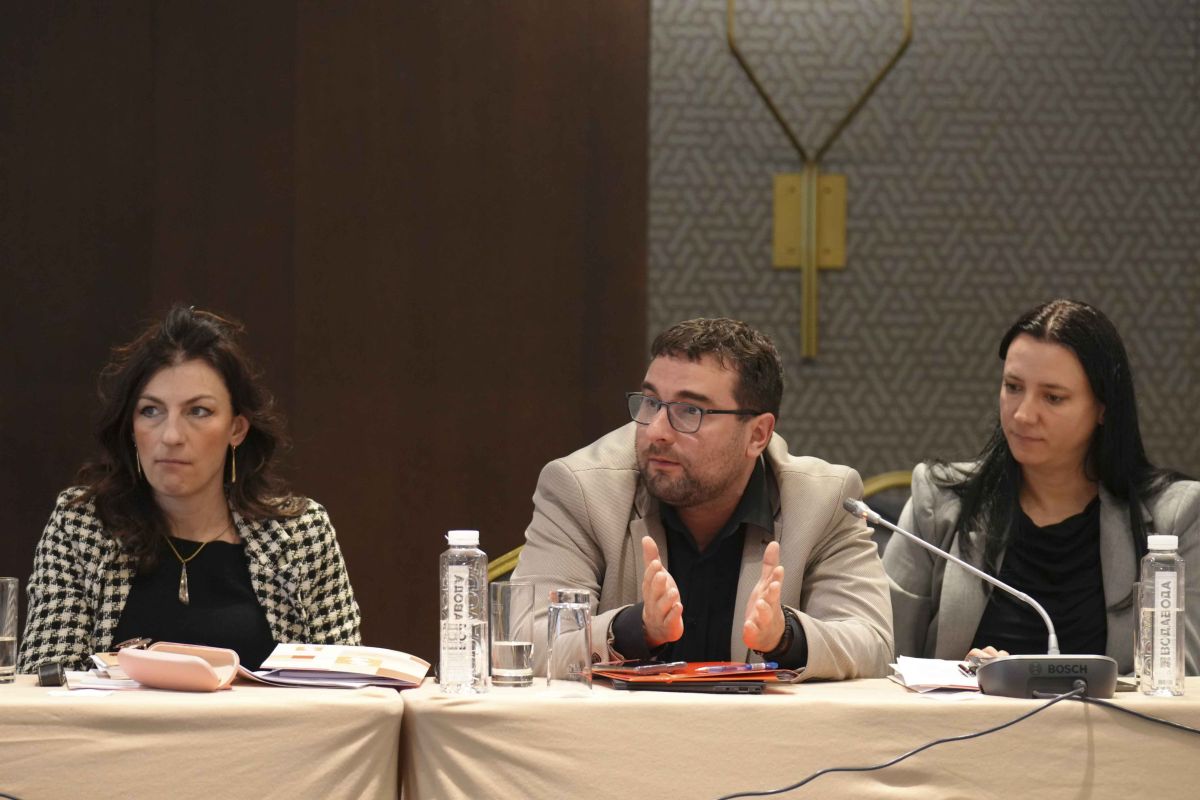
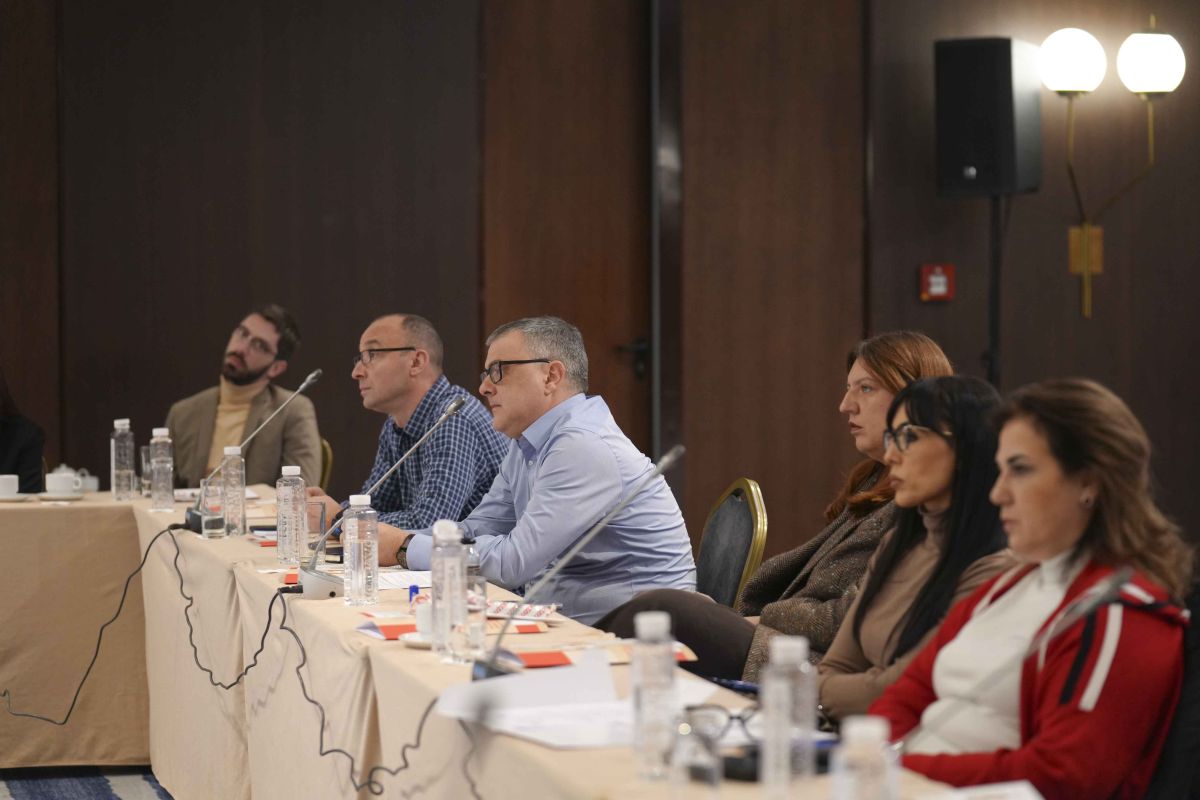
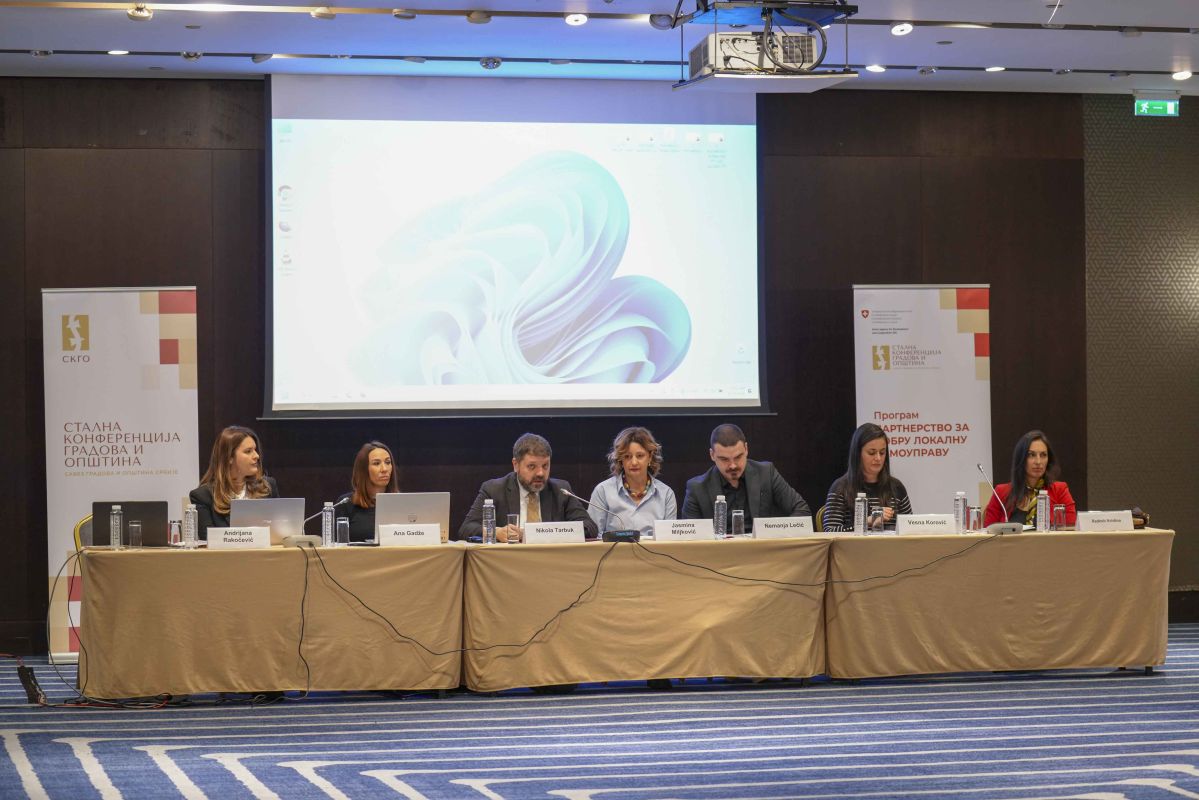
The workshop “Towards Measure 6 – Rural Public Infrastructure”, dedicated to the preparation and implementation of this measure within the IPARD 3 Programme, was held on 24 and 25 February 2026 in Belgrade. The two-day event brought together representatives of the Ministry of Agriculture, Forestry and Water Management – the IPARD Programme Managing Authority, the Directorate for Agrarian Payments and other relevant national institutions, as well as representatives of local self-government units and experts from the region, with the aim of exchanging experiences and strengthening capacities for the accreditation and implementation of Measure 6 of the IPARD 3 Programme. The Standing Conference of Towns and Municipalities (SCTM) organized this workshop within the Programme “Partnership for Good Local Governance”, supported by the Government of Switzerland.
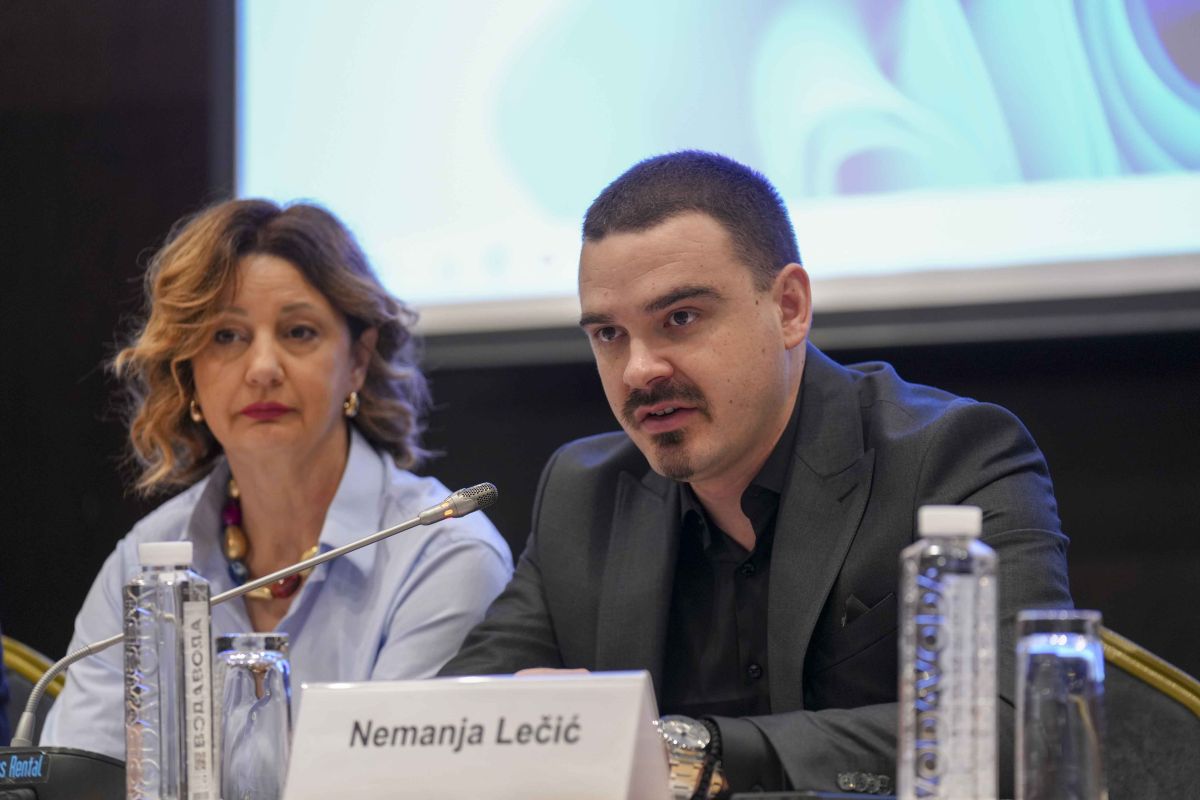
The workshop was opened by Jasmina Miljković, Head of the IPARD Programme Managing Authority and Head of the Department for IPARD Programme Management, who emphasized the importance of exchanging experiences and practical knowledge in the preparation of Measure 6. In the introductory part, participants were addressed by Nikola Tarbuk, Secretary General of SCTM, and Nemanja Lečić, Director of the Directorate for Agrarian Payments of the Ministry of Agriculture, Forestry and Water Management.
The Secretary General of SCTM, Nikola Tarbuk, emphasized that Measure 6 represents an important development opportunity for improving rural public infrastructure and that its successful implementation requires a stable legislative framework, clear procedures and strengthened capacities of local self-governments.
“IPARD Measure 6 can become one of the key instruments for improving rural public infrastructure in Serbia, but in order for this potential to be realized, funding alone is not enough – a stable and clear legislative framework, precise procedures, an efficient control system and good cooperation among all stakeholders are needed,” said Tarbuk.
He emphasized that SCTM is conducting an Analysis of the Capacities and Readiness of Local Self-Governments for the Preparation and Implementation of Rural Public Infrastructure Projects, whose preliminary results indicate varying levels of readiness among local self-governments and the need for targeted support measures.
Director of the Directorate for Agrarian Payments, Nemanja Lečić, assessed that Measure 6 represents a significant opportunity for investments in rural areas, but also that it is crucial for projects to be realistically planned and sustainable.
“It is not only important to absorb funds. What matters is that projects are realistic and implementable, so that they can be successfully carried out and bring concrete benefits to local communities,” said Lečić, highlighting the importance of investments in water supply, road infrastructure and other projects significant for the everyday life of the population in rural areas.
During the first day of the workshop, the focus was on the legislative and institutional framework for implementing the rural public infrastructure measure, programming the measure at the national level, eligibility criteria and challenges in the accreditation process. Experiences and recommendations were presented by Ana Gadže, Director of the Sector for Investment Interventions Outside IACS at the Agency for Payments in Agriculture, Fisheries and Rural Development of the Republic of Croatia; Andrijana Rakočević, Director General of the Directorate for Rural Development and Head of the IPARD Managing Authority in Montenegro; Kristina Radević, Senior Adviser in the Directorate for Programming of the IPARD Managing Authority in Montenegro; and Vesna Korović, Head of the Directorate for Risk Management and Irregularities at the Agency for Payments in Agriculture, Rural Development and Fisheries in Montenegro. During the discussions, special emphasis was placed on preparing the legislative framework, harmonizing procedures, preparing the accreditation package and strengthening institutional capacities.
On the second day of the workshop, attention was focused on the role of local self-government units in the preparation and implementation of the measure, including organizational structure, planning and legal documentation, property and legal relations, as well as timely preparation of application documentation. Speakers Ana Gadže, Andrijana Rakočević, Kristina Radević and Vesna Korović discussed the importance of transparent communication with beneficiaries, organizing information workshops, and the specificities of the implementation process – from project approval and contracting to on-site controls, risk management and implementation models applied in countries of the region.