03/26/2019
Branding contributes to economic development
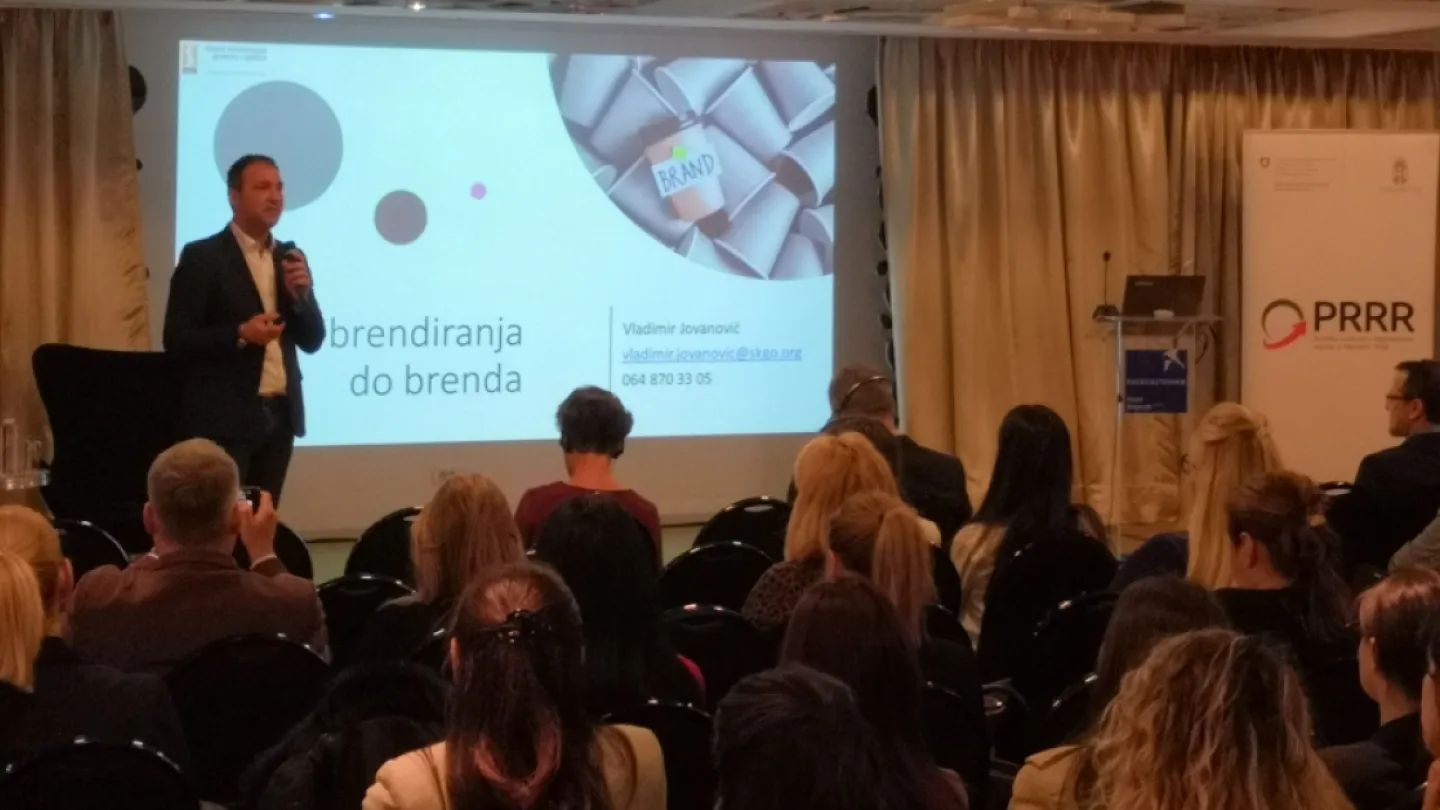
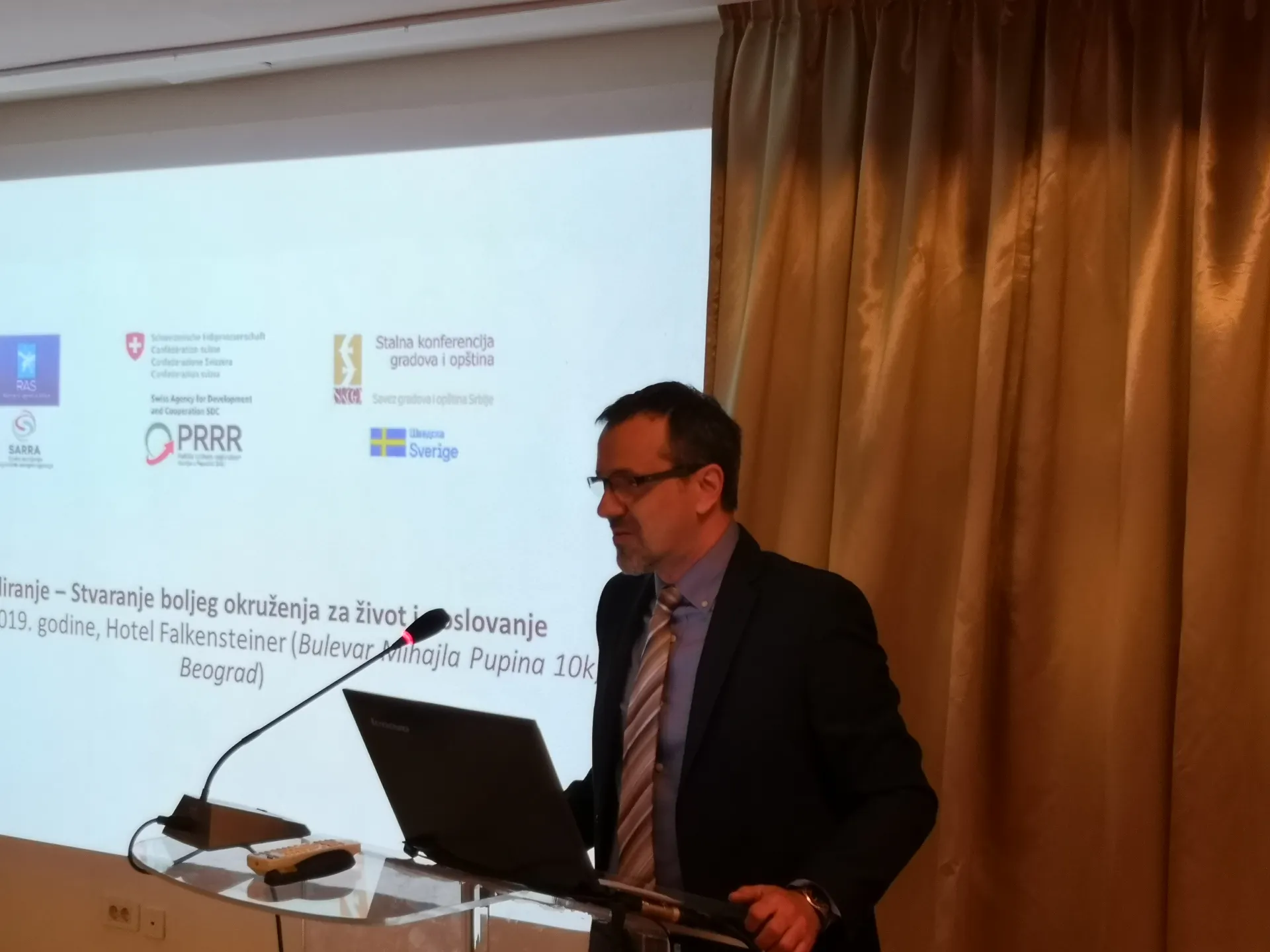
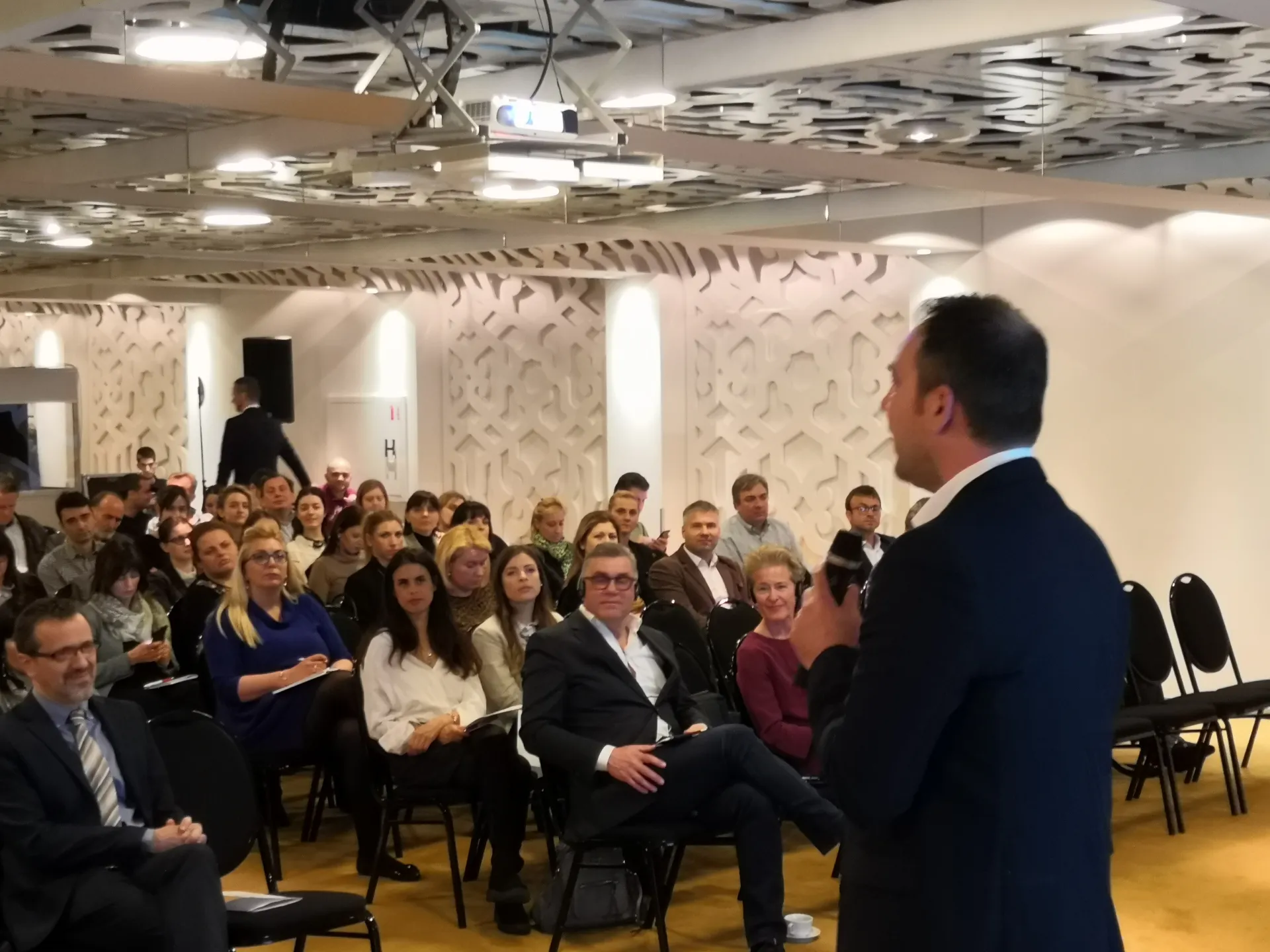
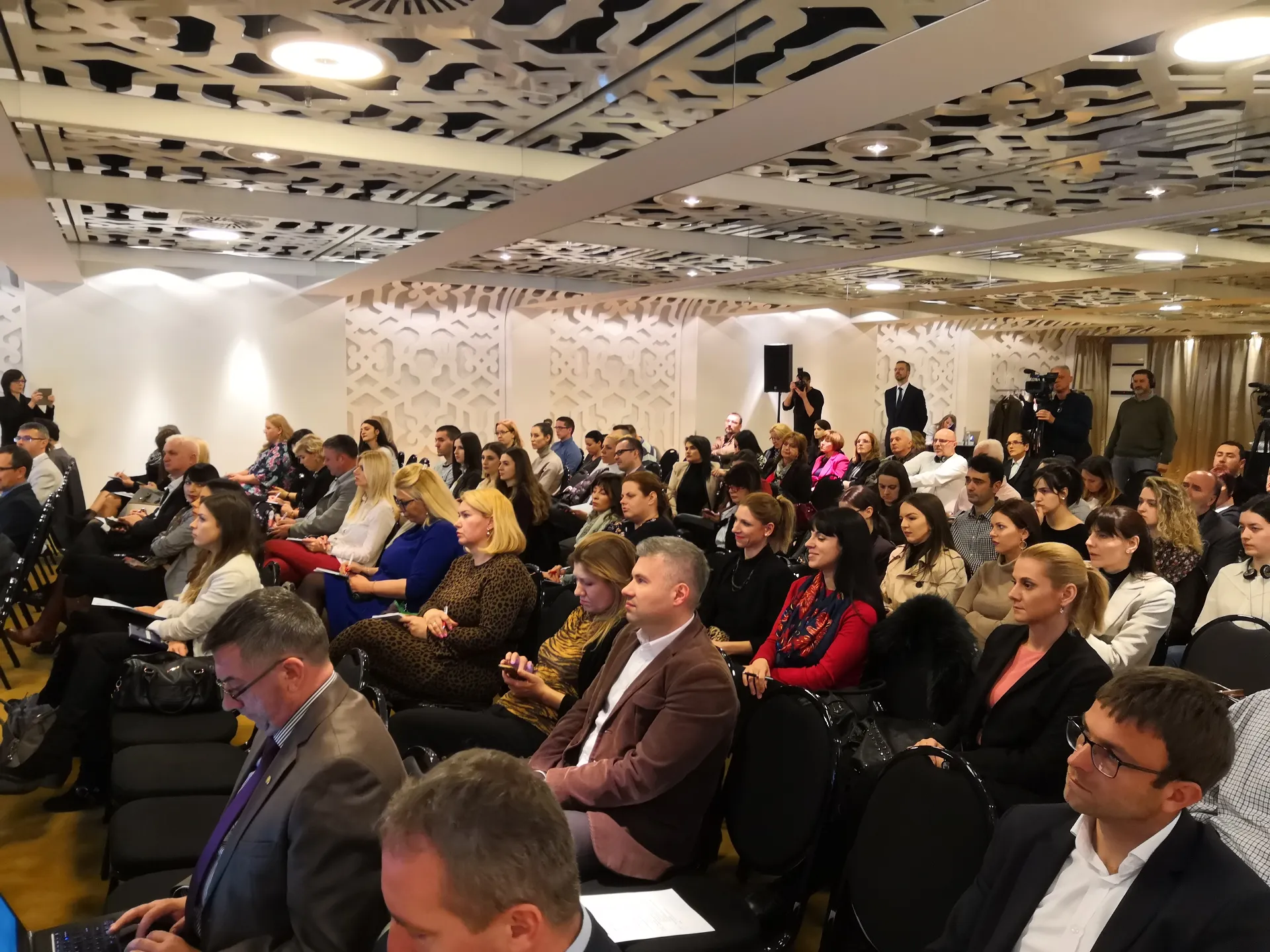
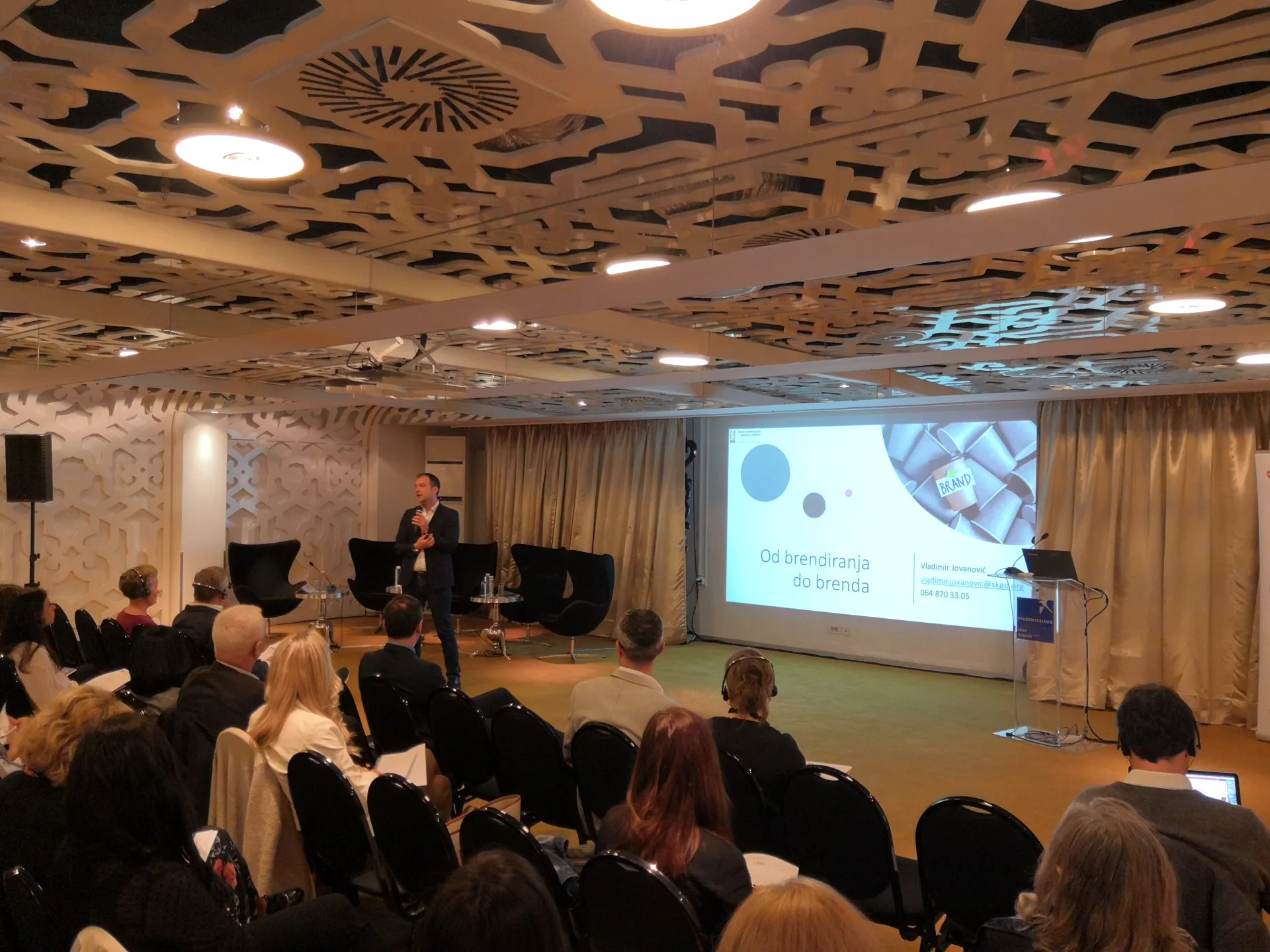
Branding of a product, service or destination is a long and expensive process, but it is worth it. This was said today at the conference "Branding - Creating a Better Environment for Life and Business" under the project "Support to rural and regional development in Serbia".
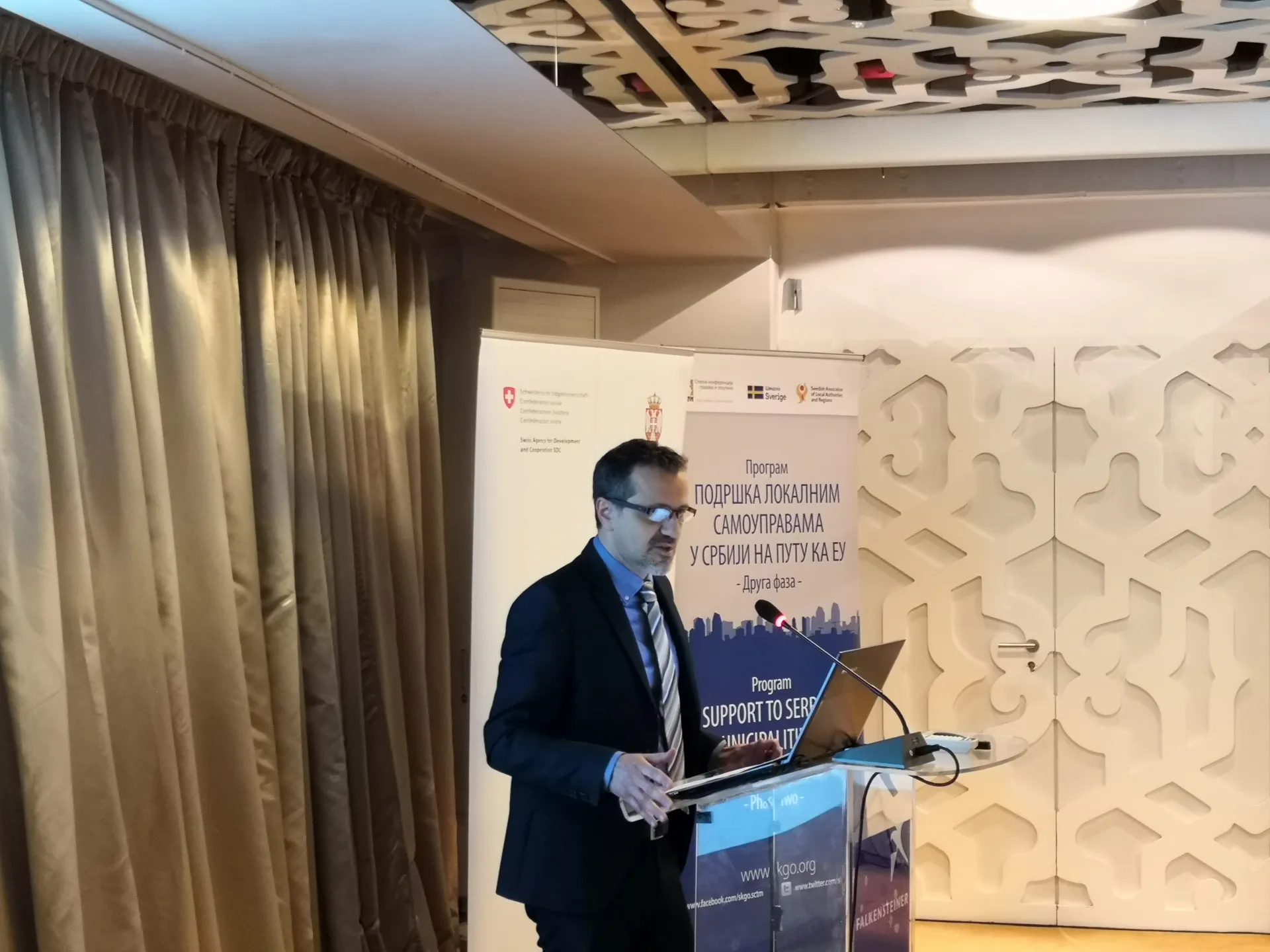
Deputy Secretary General for services to members of the Standing Conference of Towns and Municipalities (SCTM), Ivan Milivojevic, said that "branding in Serbia is not premature" and that there are significant capacities at the local level for this practice.
"Branding is a set of focused activities that recognise the benefits of towns and municipalities. In this process, SCTM is working to strengthen the capacities of local self-governments for regional and local economic development", said Milivojevic, adding that "the essence is to determine how to select a specific location at the local level", with the aim of being recognisable and to become a guarantor of good quality and service.
Milivojević pointed out that the SCTM provides support to towns and municipalities in Serbia to adapt to European standards, introducing the principles of good governance and strengthening their transparency and administrative efficiency.
"There are numerous priorities for local self-governments, such as reducing administrative barriers and simplifying procedures in their business, as well as professional development of employees in local self-governments in Serbia", he said.
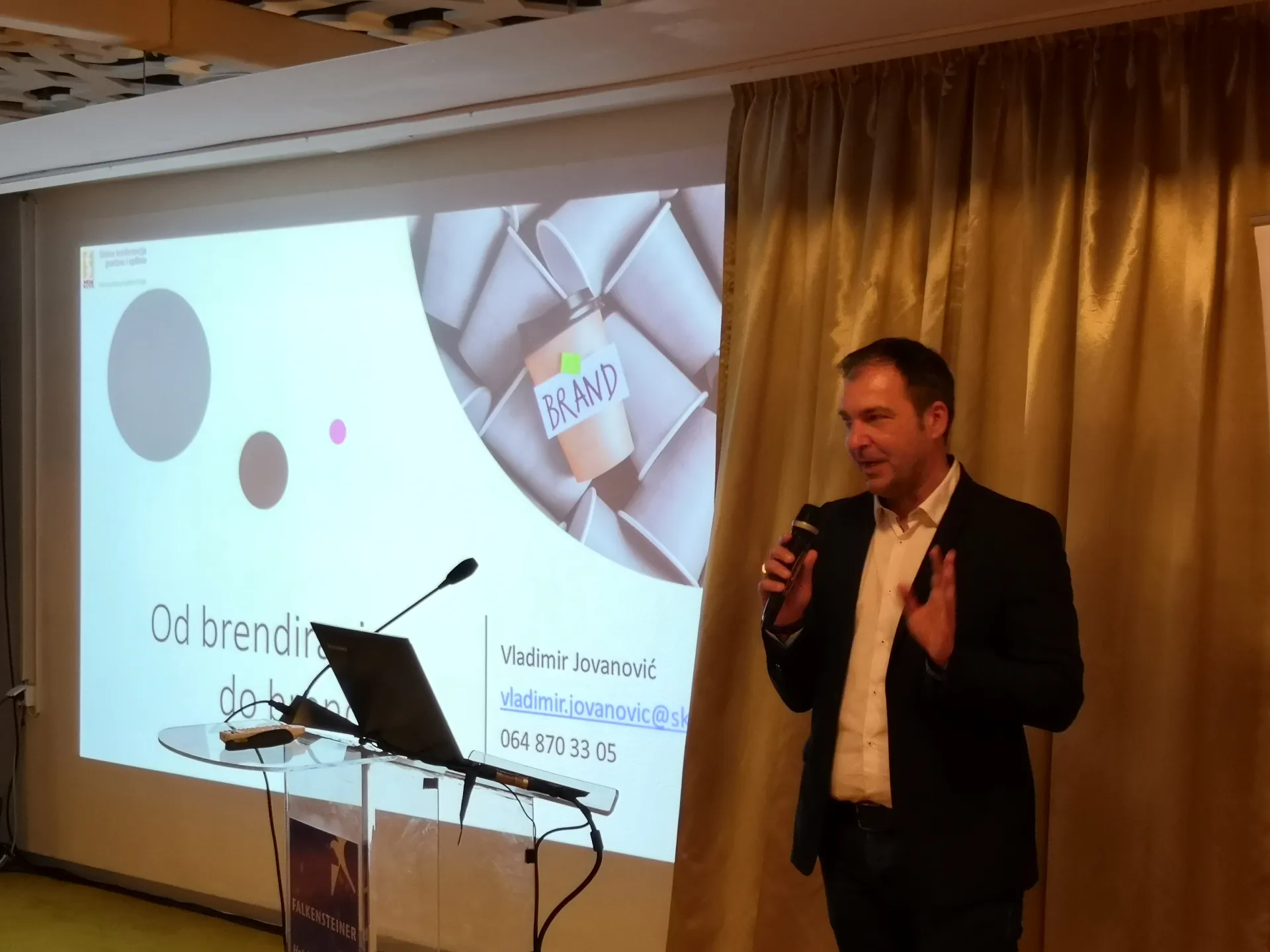
Vladimir Jovanovic, Head of the SCTM Information Service, said that many companies that offer ad hoc branding appear today or they will make a successful communication strategy and the like, and stressed that it is all expensive and does not produce the right results. He stated that proper branding is always a costly and long-lasting process, in order to make something recognisable in the sea of similar things.
"Something makes the brand different, it has specificity, and that's why local self-governments need to determine what their comparative advantage is", Jovanovic said. He emphasized that the brand is, for example, when someone sees a sign of a product and immediately recognises it and knows what it is related to. "The brand has a certain experience in relation to a product, service, and the like, and it separates it from the masses of similar things and the emotions that you create for a brand", Jovanovic said.
When it comes to branding destinations, he reminded that everyone can say that when Leskovac, Pirot, Sjenica, Crna Trava or Arilje have some association, these places are known, while for some other places people cannot immediately remember what they are known for and recognisable. It is therefore important to identify comparative advantages and build a brand on it, but the entire community should behave in accordance with that brand.
According to Jovanovic, the process of branding a site must take place in phases, which are: goal formulation, target group identification, brand analysis, community involvement, positioning and communication.
Guests from Sweden, who are the leader in branding in Europe, pointed out that for building the brand the most important is the community's consistency.
The creation of the brand of the Municipality of Nocheping in Sweden was presented by Palaemon Morner and Lars Ristadius. They said that Sweden wanted to encourage the development of this town and the settlement of young people with children, and made the brand: "Living in Nocheping", making this town of 30,000 inhabitants known. Guests from Sweden pointed out that the brand is not just a product, clothes or cheese, but something with what people can live.
"We wanted young people with children to come here, to have a safe environment, to have a life without stress, good schools, kindergartens and the like, and this gave results", said Ristadius. They said that there should not be lies about the brand, because it can do most damage to branding.
Conference organizers are the Development Agency of Serbia (RAS), SCTM and the Serbian Association of Regional Development Agencies, and the project "Support to rural and regional development in Serbia", which is financially supported by the Government of Switzerland.