12/12/2019
Association of Capacities of Towns and Municipalities - Effective Local Self-Government Services
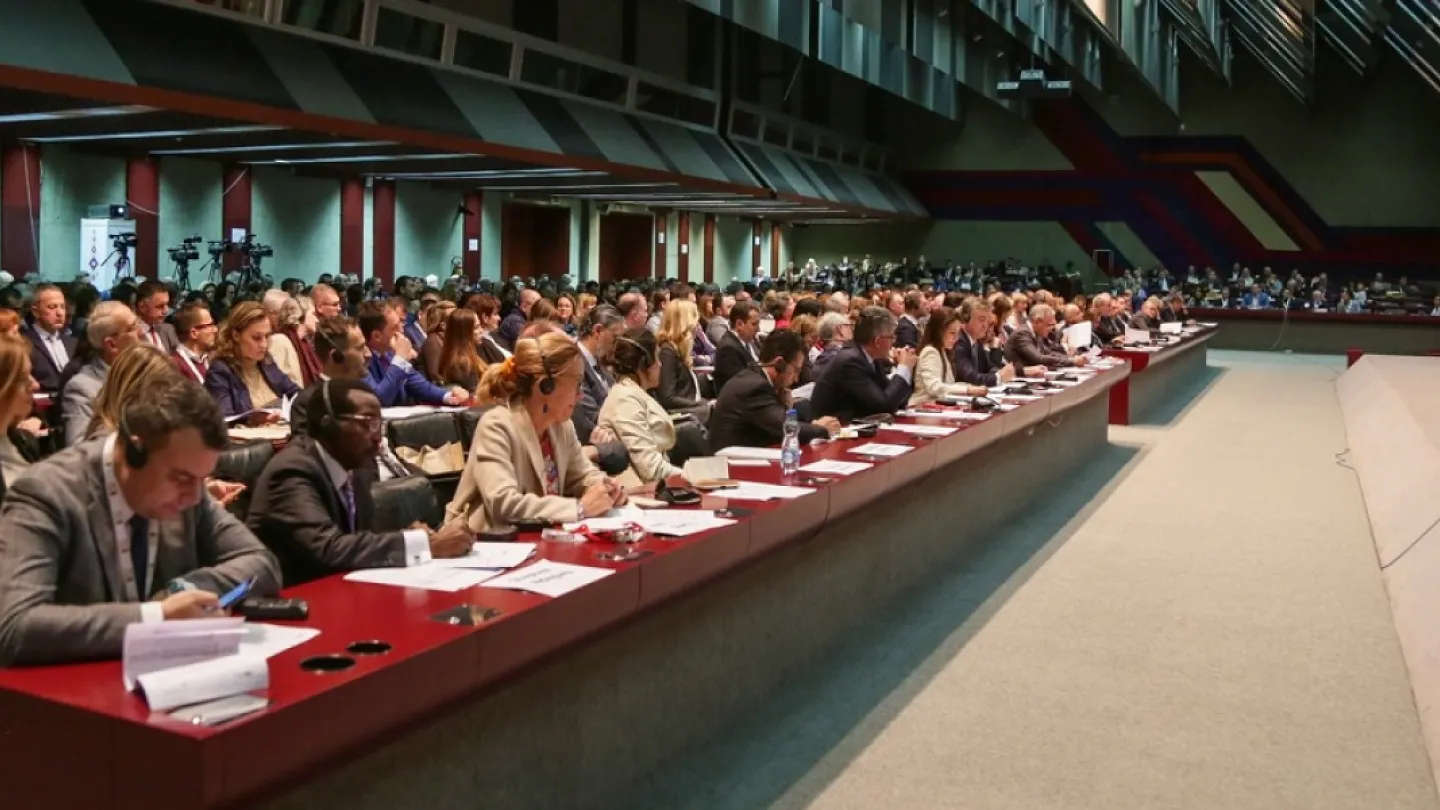
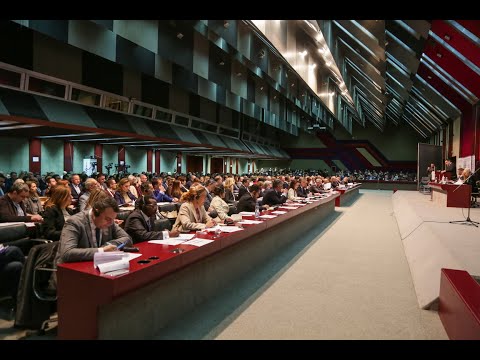
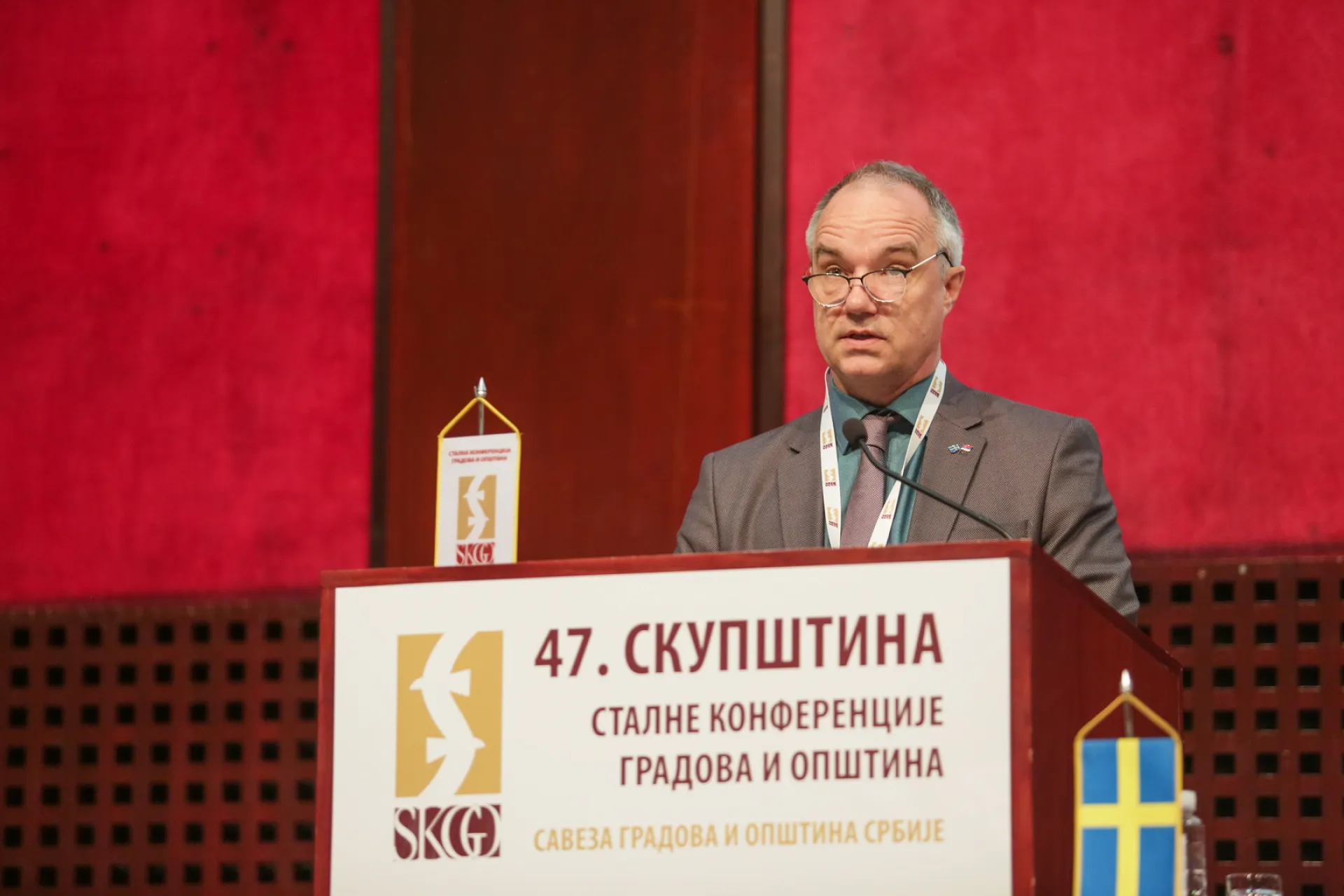
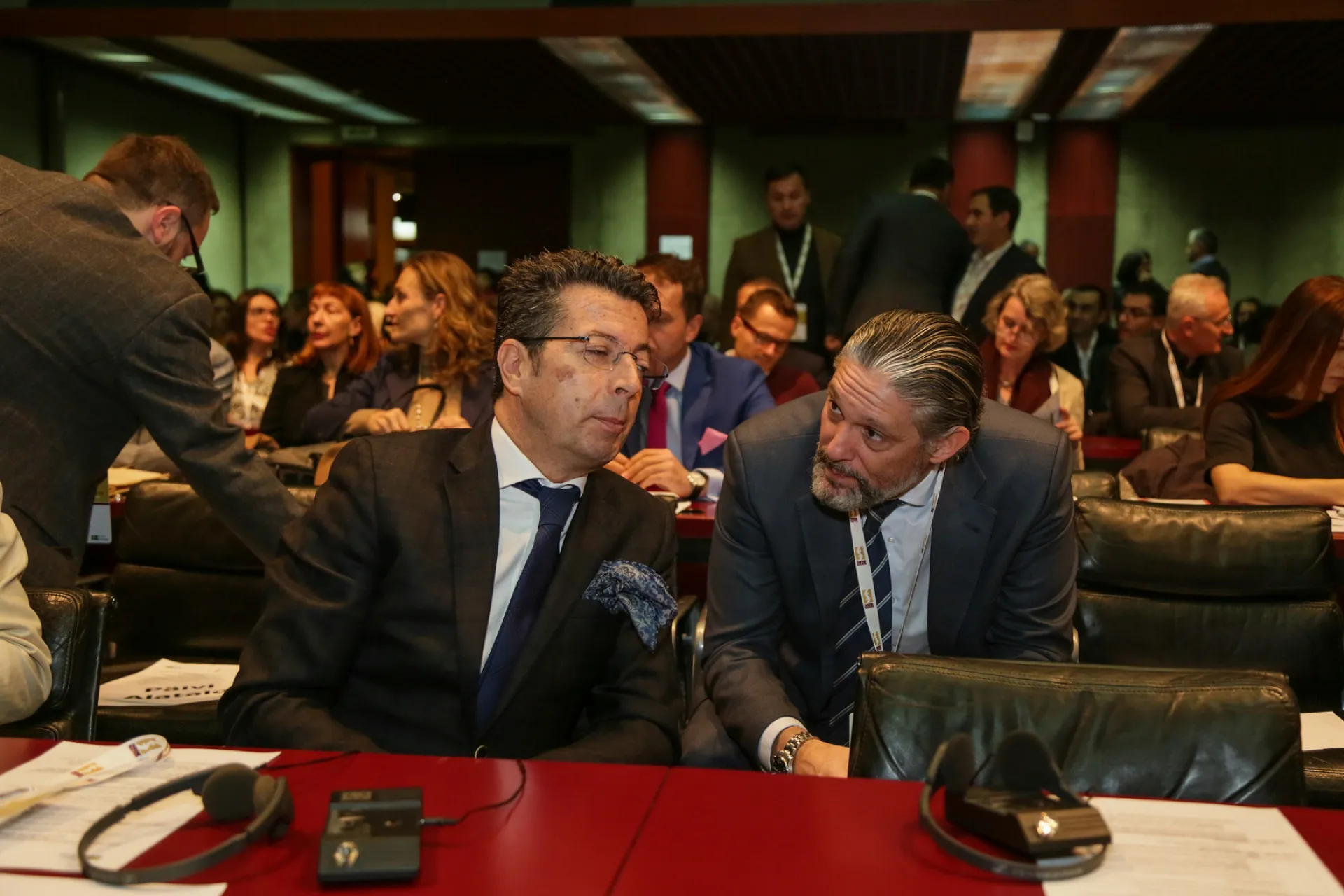
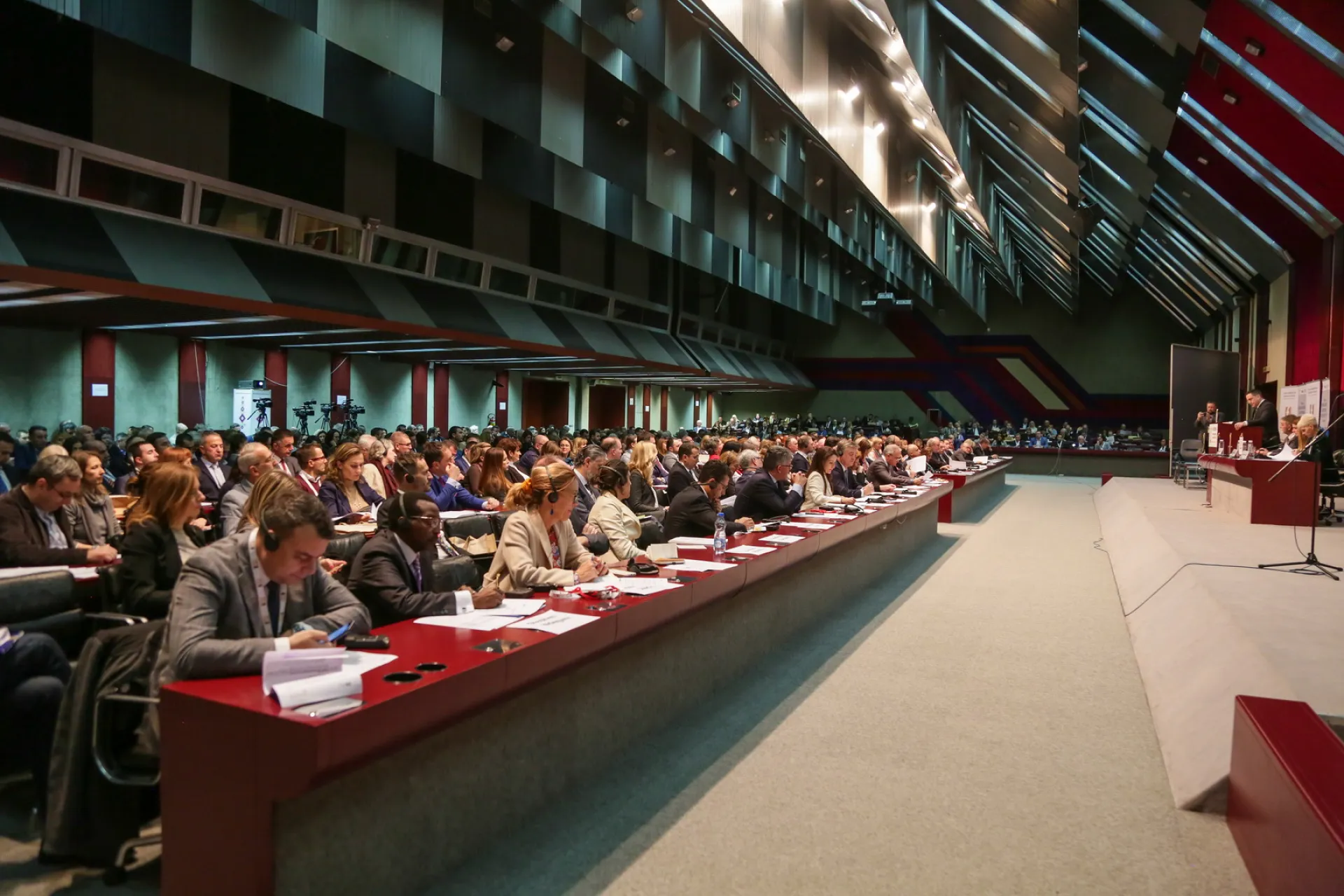
On December 11, 2019, the Standing Conference of Towns and Municipalities (SCTM) organized the 47th General Assembly at the Belgrade Sava Center, during which elections were held for the SCTM bodies, and four agreements on cooperation were signed. The theme of the Assembly was "Legal Options for Achieving Inter-Municipal Cooperation and Models of Agreement on Inter-Municipal Cooperation".
The largest annual gathering of local self-governments in Serbia was attended by more than 120 delegates of towns and municipalities, representatives of the Government of Serbia, diplomatic missions, international organizations, the Delegation of the European Union to Serbia, the OSCE Mission, UNDP, GIZ, as well as representatives of the civil sector. This year's SCTM Assembly was organized with the support of the program "Support to Local Self-Governments on the Road to the EU - Second Phase", implemented by the SCTM and funded by the Government of Sweden.
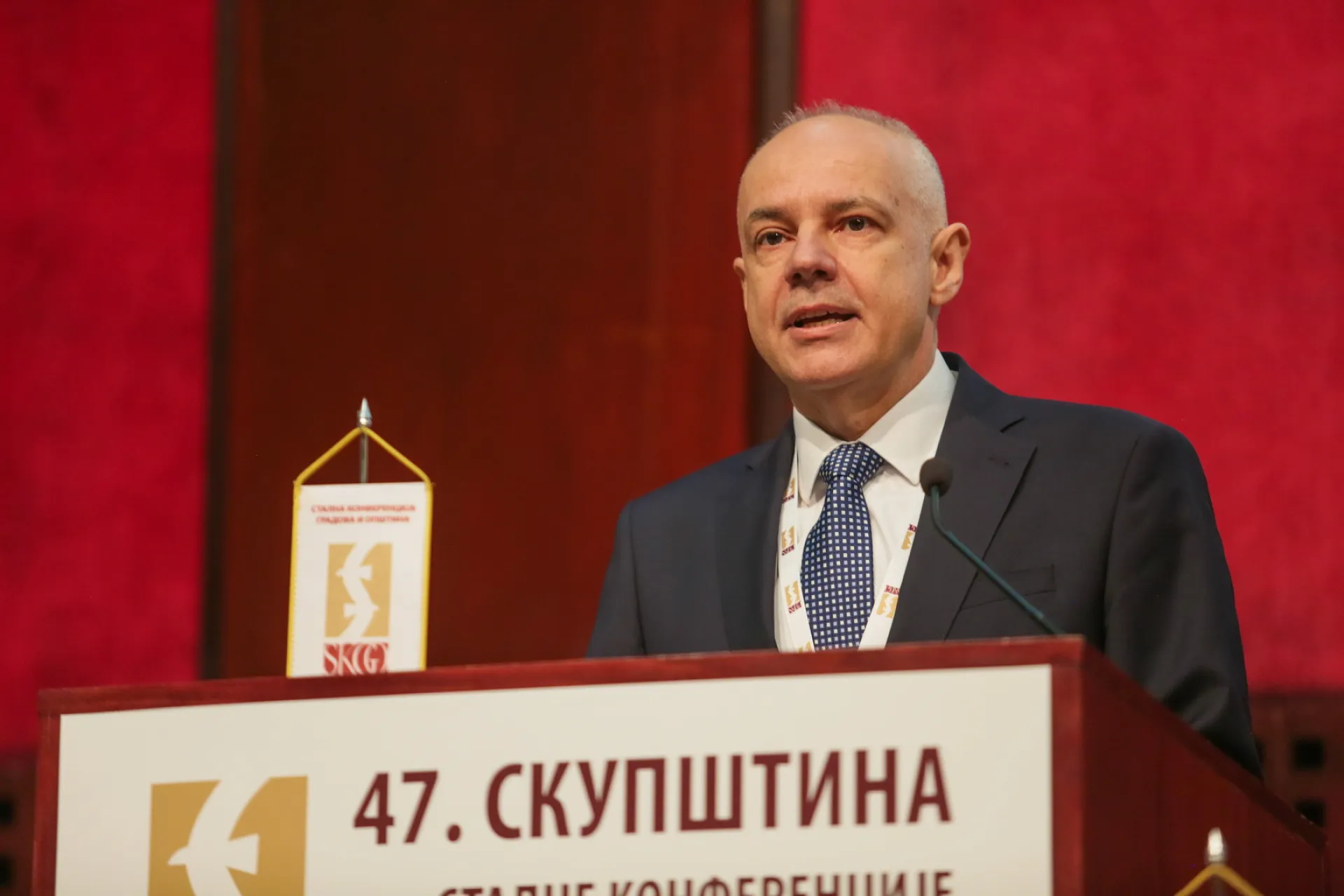
In his opening address, representative of the City of Belgrade, Zoran Radojicic, Mayor of Belgrade said that the capital's management is aware of its responsibility as it is at the forefront of the largest local self-government and all that is done reflects on other local self-governments.
He emphasized that municipalities and towns are "the most important for the citizens, as they can affect governance, which affects their life."
"Belgrade is trying hard to achieve the best possible results in the implementation of large projects, but also in opening kindergartens, parks, squares, providing social support, improving the position of pregnant women and children", Radojicic said, adding that utilities are equally important where "good results" were achieved.
He thanked the SCTM for helping to make the budget as simple and transparent as possible so that it could be understood by as many citizens as possible and promised to improve the influence of citizens in its creation.
"I believe that we will move forward in the coming years to join the EU", Radojicic said.
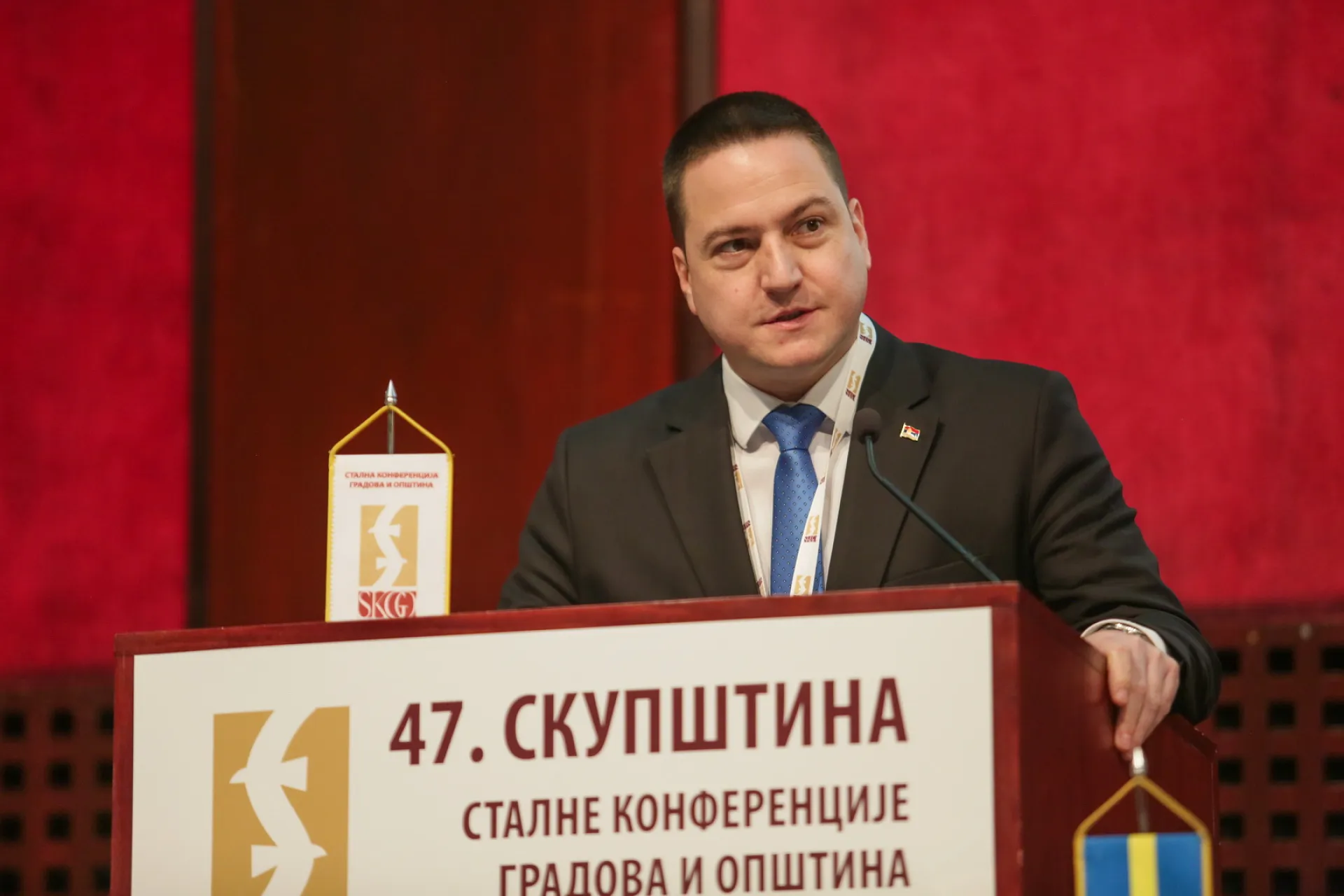
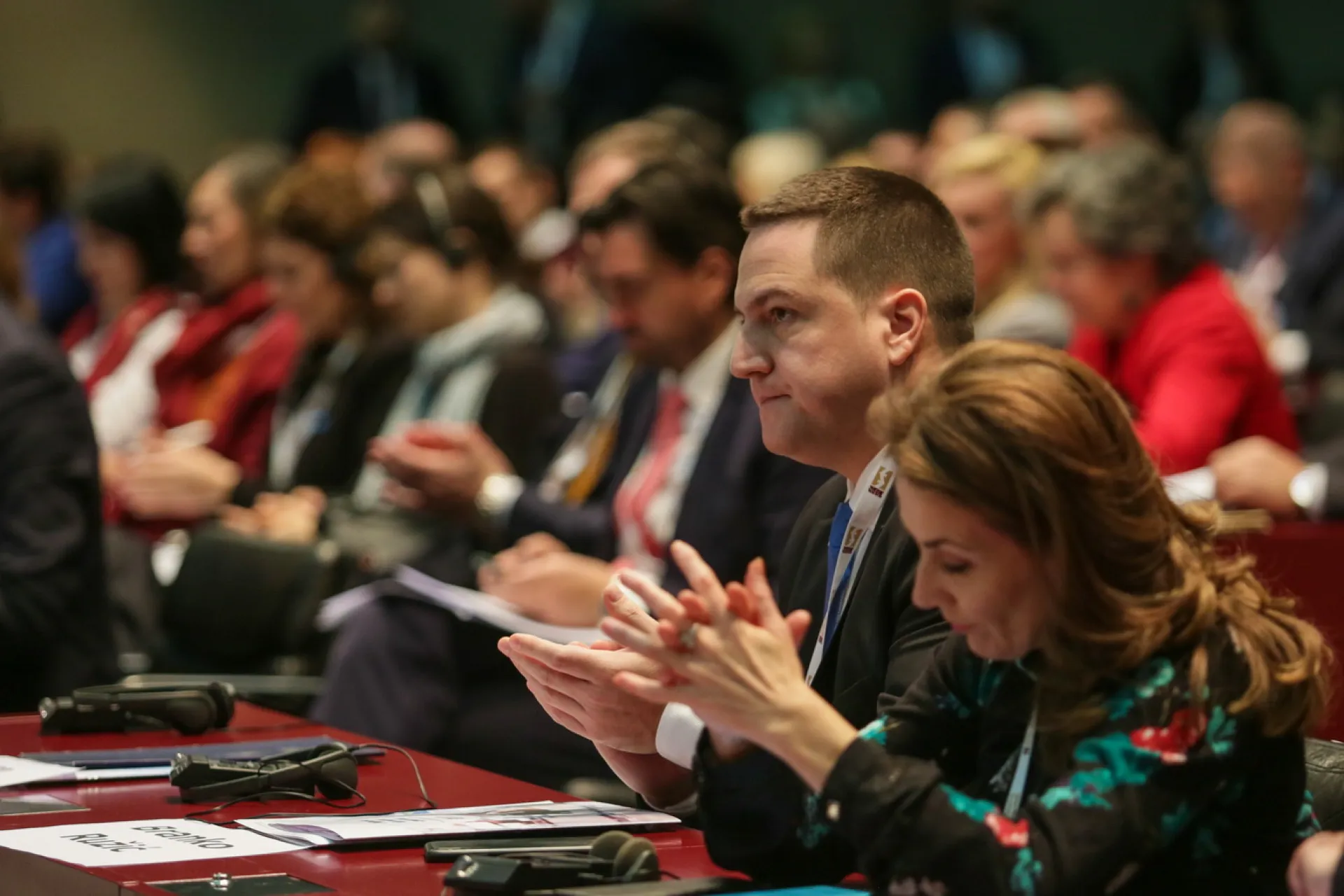
Serbian Minister of Public Administration and Local Self-Government Branko Ruzic said that "we are facing many challenges and a lack of capacity in local self-governments to provide services tailored to all citizens."
"Establishing the full capacity of local self-governments is a long-term process, so the most efficient way to provide services is to combine the capacities of local self-governments", said Ruzic, adding that the Amendment to the Law on Local Self-Government and the Law on Public Administration enabled two or more local self-governments, both for original and delegated tasks, to set up a joint body or services or delegate specific tasks to one another.
According to him, the initiative for joint work can be initiated by local self-government or it can be done at the proposal of a state body. Ruzic stressed that reform of the local self-government system is "a fundamentally important program that will enter into all the pores of functioning and will facilitate the performance of the affairs of local self-governments".
The Minister announced that work is underway on the preparation of the Local self-government System Reform Program, which will consider all proposals for future changes that should enable or facilitate the performance of local self-government affairs. He called on everyone, and in particular the Standing Conference of Towns and Municipalities, to participate intensively in identifying opportunities for improvement in the area. The line minister thanked the SCTM for the excellent co-operation that is being achieved in daily communication on all issues of relevance to local self-governments.
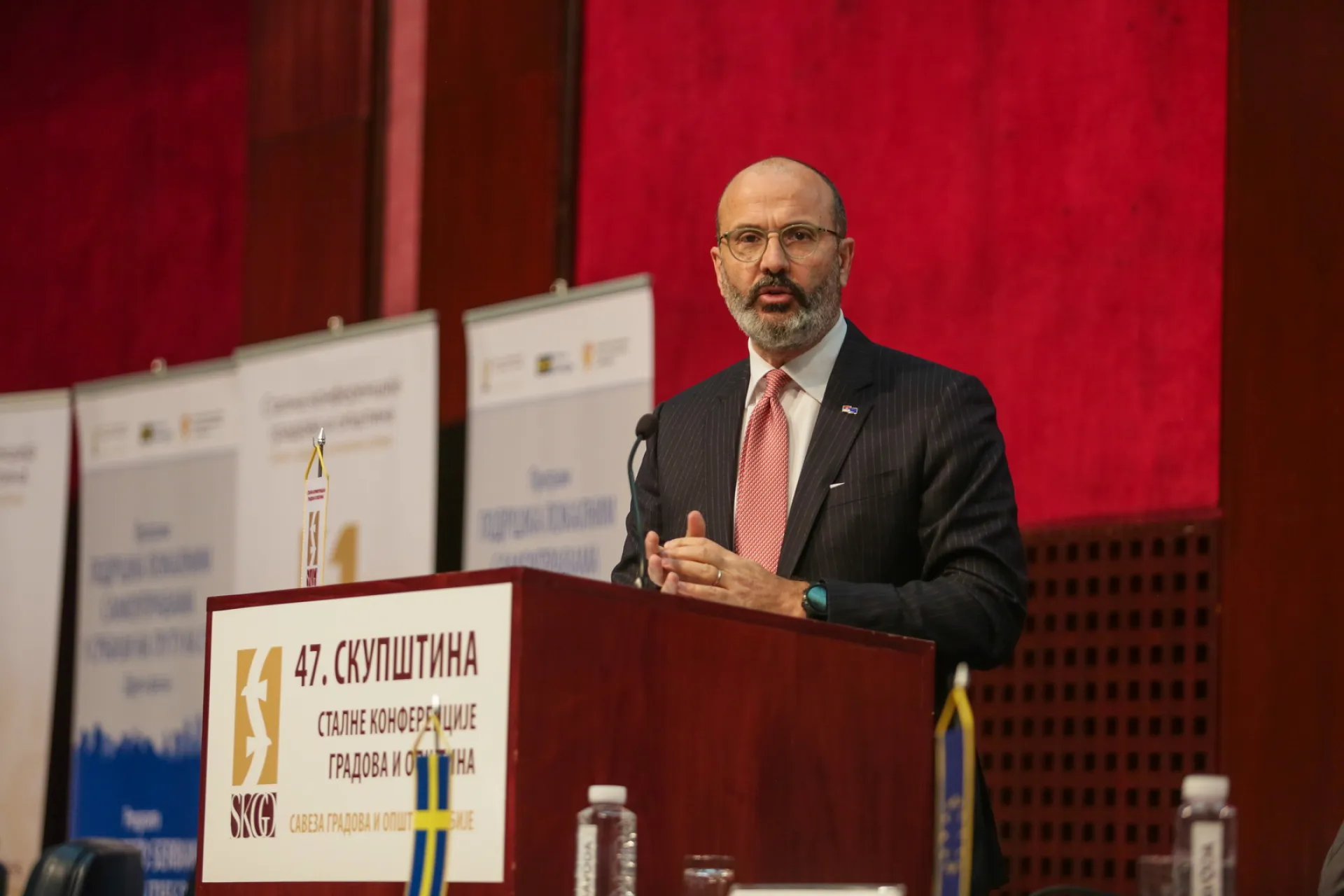
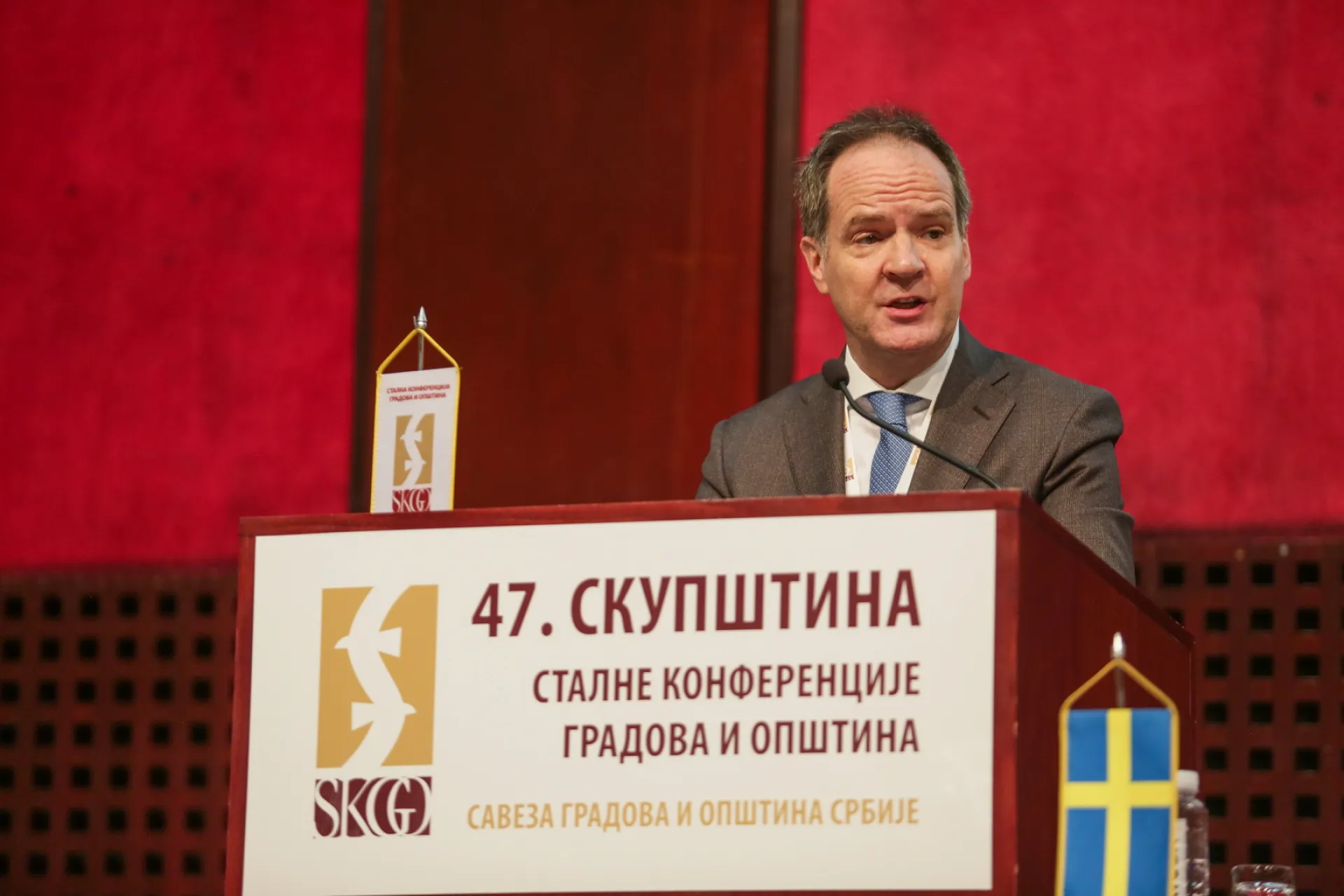
Head of the EU Delegation to Serbia, Sem Fabrizi, said the opening of the fourth negotiating chapter in Serbia's EU accession process is a recognition that Serbia has made progress in reforms.
"Opening the chapter does not mean it will be closed, but we are going forward. Serbia has opened 18 chapters out of 34, and everyone would like to see more open and close, but we are going forward" Fabrizi said.
He stressed that Serbia's economy is growing and that Serbia is entering 2020 with optimism, but that it must implement tax administration and public procurement reforms faster, and "reforms are not being implemented in the area of the rule of law, fighting corruption and freedom of the media."
He said that work is being done to improve the work of local self-governments because they represent a pillar of development. The European Union, he said, has invested € 200 million in public administration reform, which must be based on several principles: quality of accountability services, nonpartisan policy and transparency.
"The key partner of the EU in direct projects in the municipalities is the SCTM and there is almost no municipality that did not participate in any project. I am pleased that the topic of this year's Assembly is inter-municipal cooperation, as it is a sure path to decentralization, which is the essence of reform", he said. He added that the reform of the public administration is a complex process and involves the digitization of services and greater citizen participation in decision-making.
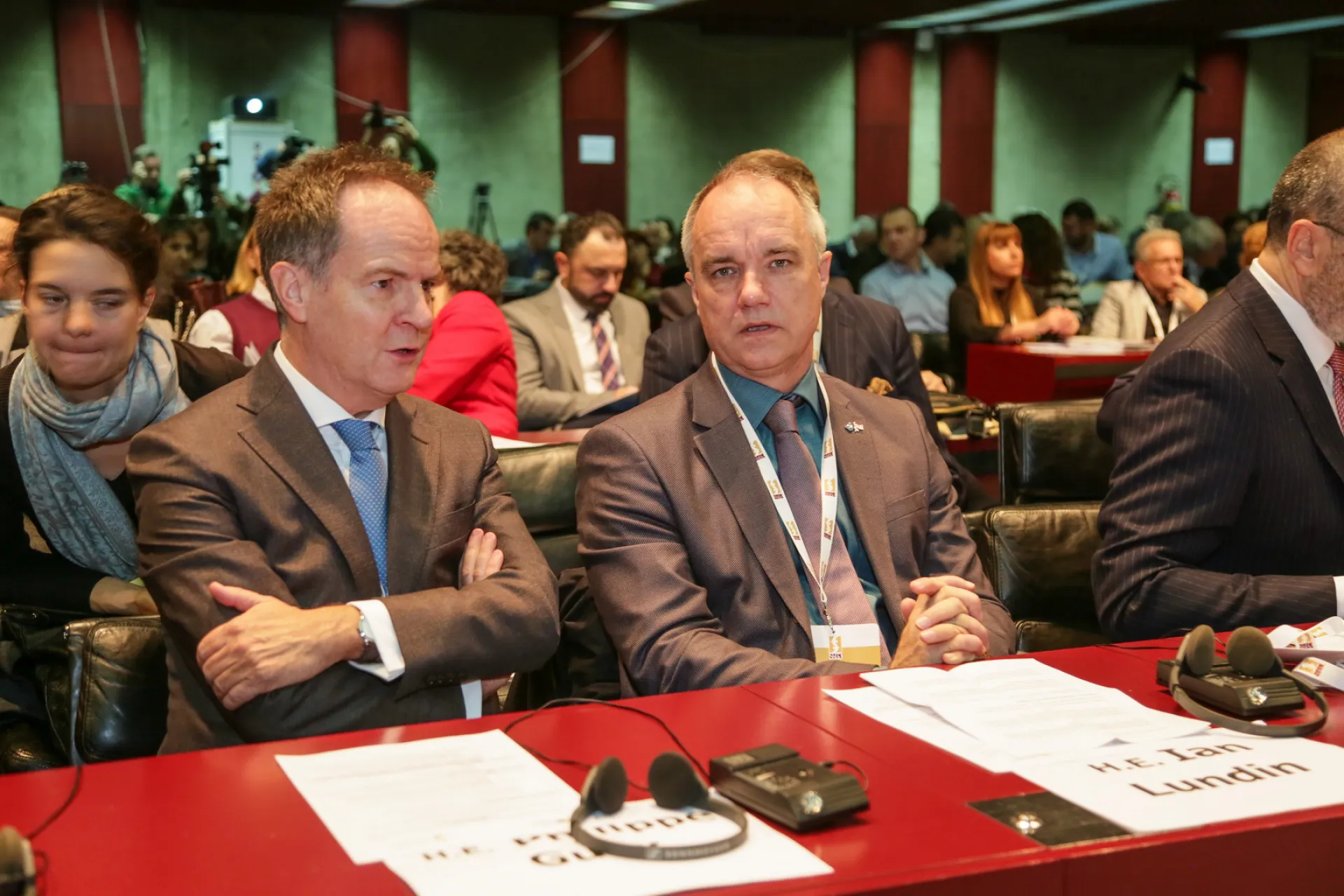
Swedish Ambassador to Serbia Jan Lundin said that his country has been helping Serbia on its path to the EU for many years and stressed that the SCTM is also a long-standing partner of the Kingdom of Sweden in these processes.
"The program has been implemented since 2011 with the aim of assisting local self-governments in the EU accession process. The project has been ongoing for 4 years and is being continued with a new program implemented by the SCTM in partnership with the Swedish Association of Local Authorities and Regions with the support of the Government of Sweden. 19 local self-governments have been received support packages for improvement of quality to citizens and businesses in terms of environmental protection, emergency management, establishing a better business climate at the local level, and achieving gender equality", said Lundin.
He said Sweden has so far granted € 238 million in donations through various programs that promote the rule of law, the fight against corruption, equality and the environment. He added that this year alone, Swedish aid to Serbia has reached 15 million euros, which places them high among bilateral donors, and they participate in joint EU projects.
Swiss Ambassador to Serbia Philippe Guex also cited the SCTM as a long-standing strategic partner and unique association of local self-governments. He said that by improving the work of local self-governments, citizens will enjoy better services.
He stressed that his country had allocated nine million euros to support local self-governments, as Switzerland's desire is to share experiences so that Serbia can build local self-government services tailored to its citizens.
"As a highly decentralized country, we support inter-municipal cooperation because it is a useful concept that enables better services", Guex said.
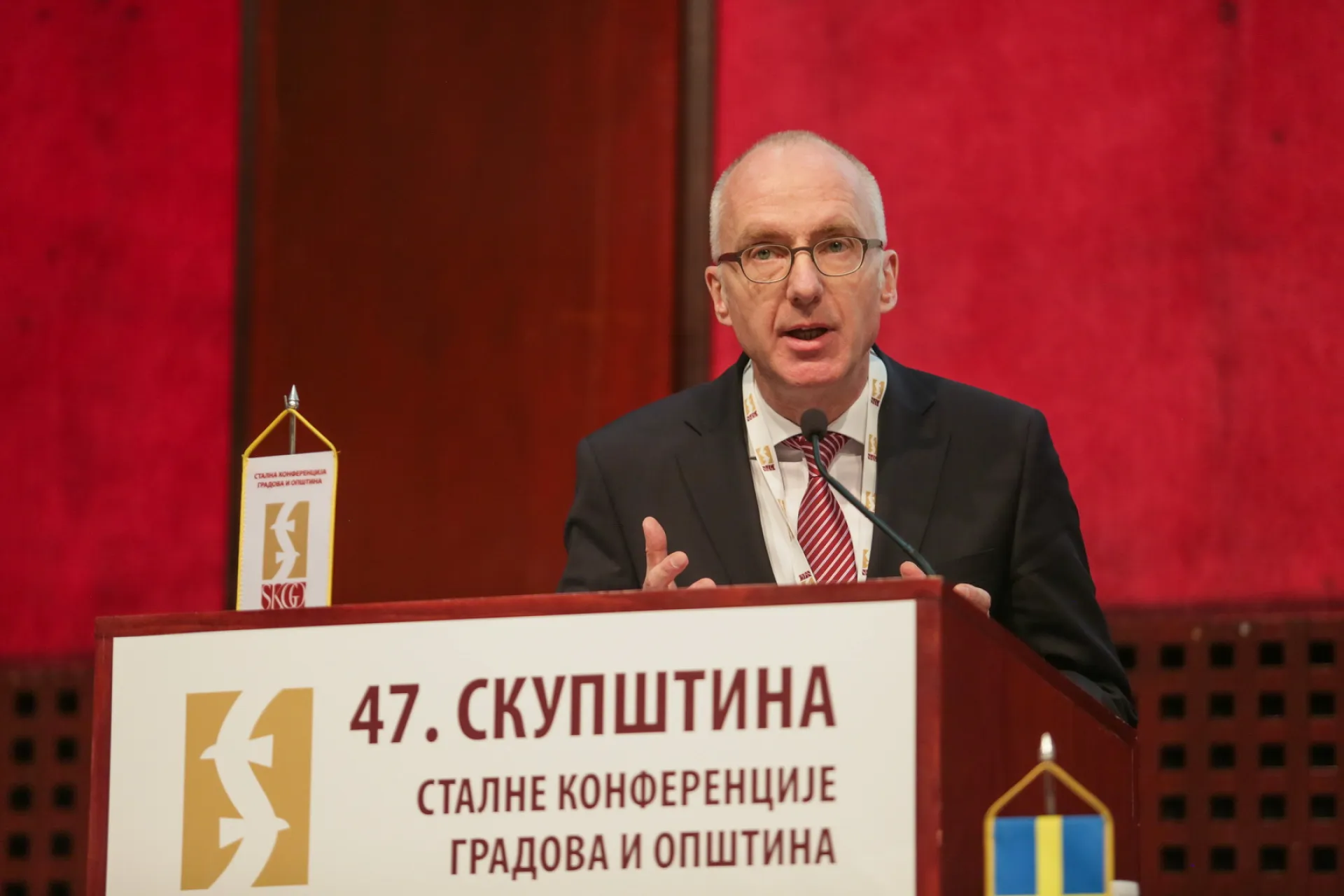
German Ambassador to Serbia Thomas Schieb said that Serbia can count on his country's support in the EU integration process, and that the focus will be on advancing the rule of law.
"The co-operation of local self-governments enables better and cheaper services, especially in rural areas", said Schieb.
Initiatives from the local level, according to the Western Balkans Regional Director of the European Bank for Reconstruction and Development (EBRD), Zuzana Horgitaj, are key to development and have an impact on citizens' economic development and life.
"Since 2001, we have invested € 450 million in infrastructure, and our largest partner is Belgrade. The biggest problem in local self-governments is the lack of projects, so the EBRD provides expert assistance in their design", Horgitaj said, adding that digitization could replace the lack of staff in local self-governments.
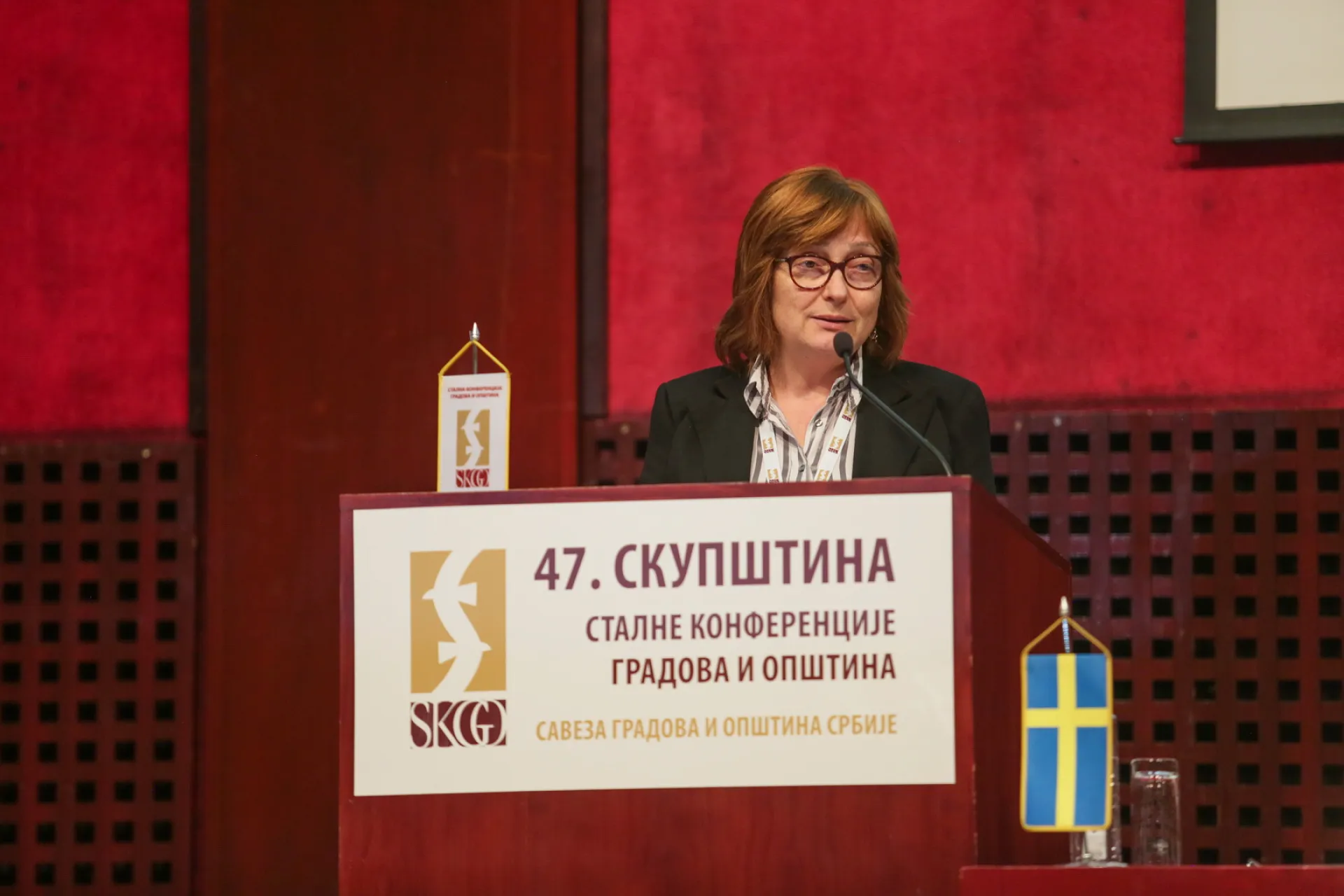
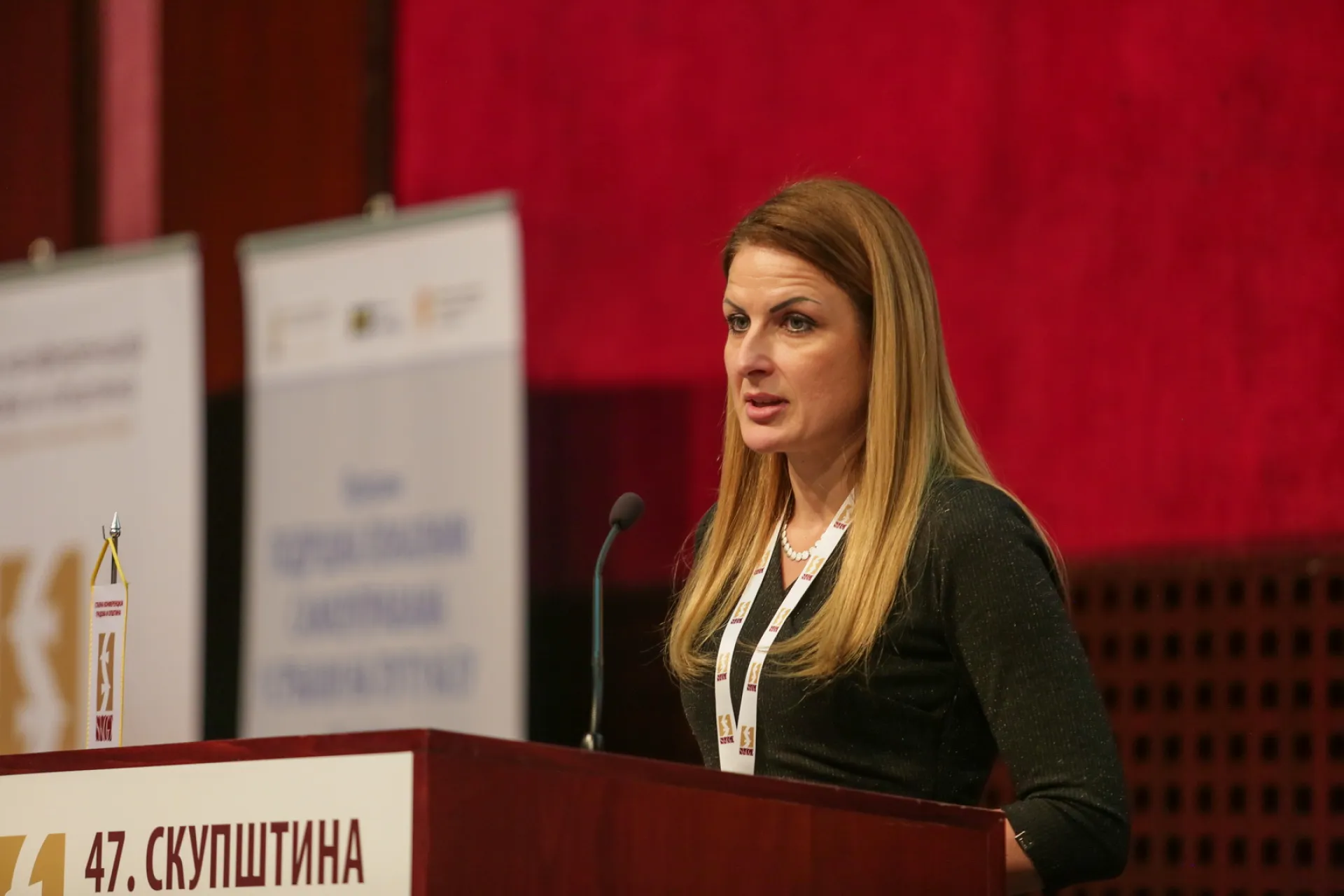
SCTM President Dusanka Golubovic said the Standing Conference this year provided a large number of services to towns and municipalities for which it launched new services.
The most important activity of the SCTM in 2019, she said, was participation in the drafting of national regulations such as the Law on Capital or the Law on Communal Militia, which were adopted this year and on a number of laws in the pipeline, among which amendments to the Law on Territorial Organization, the Law on Referendum and the People's Initiative, the Law on the Budget System, the Law on Agricultural Land and a number of environmental laws.
She said that the SCTM has addressed a number of initiatives related to the preparation of the Law on Local Self-Government Financing, focusing in particular on addressing the issue of collecting environmental protection fees and initiating reforms in the field of emergency medical care.
The SCTM, she said, has organized a series of activities to identify proposals to improve the situation in the social protection sector, then to reform and implement the Law on Investment, the Law on Housing and Maintenance of Residential Buildings, and the Law on Disaster Risk Reduction and Emergency Management Situations.
Golubovic said that during this year, the SCTM implemented 65 support packages to improve administrative efficiency, participation and transparency, improve anti-corruption policies, gender equality, the environment, emergency and public property management.
She said there are 50 support packages planned for the next year to improve human resources management and 50 to train employees.
The SCTM General Assembly was organized with the support of the program "Support to Local Self-Governments in Serbia on the Road to the EU - Second Phase", funded by the Government of Sweden.