02/05/2026
Public Health Emergency Response Plans Presented in 94 Local Self-Governments
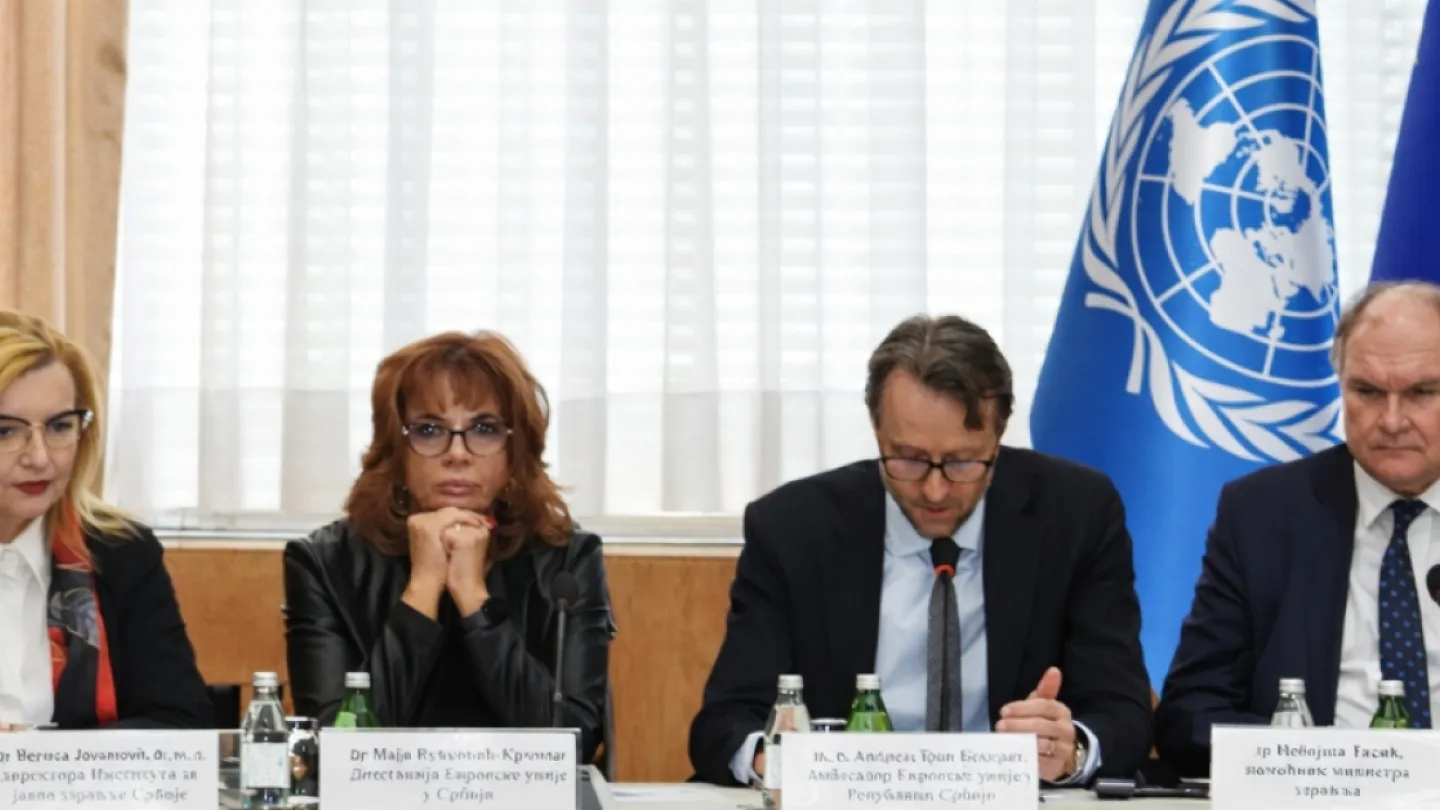
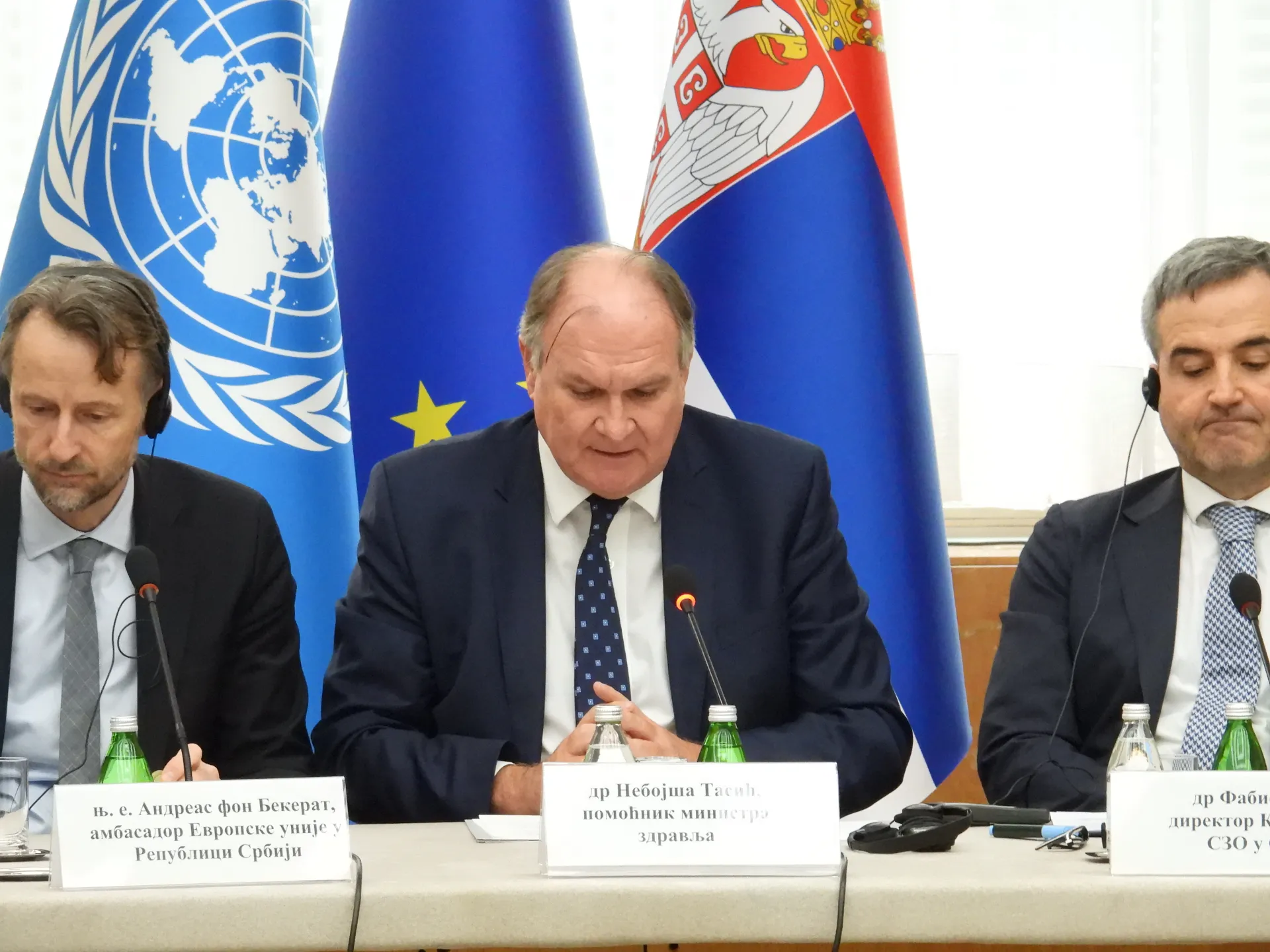
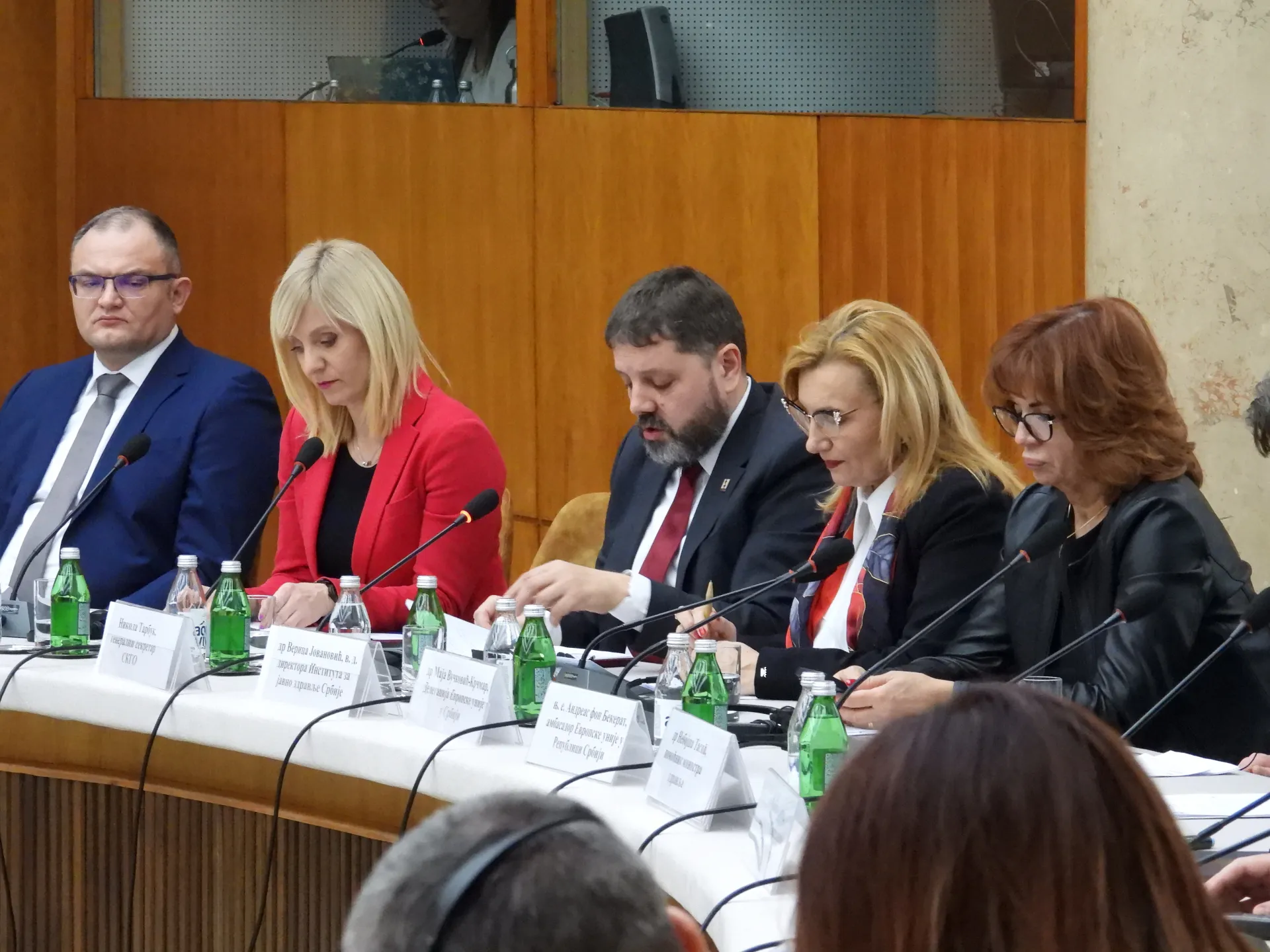
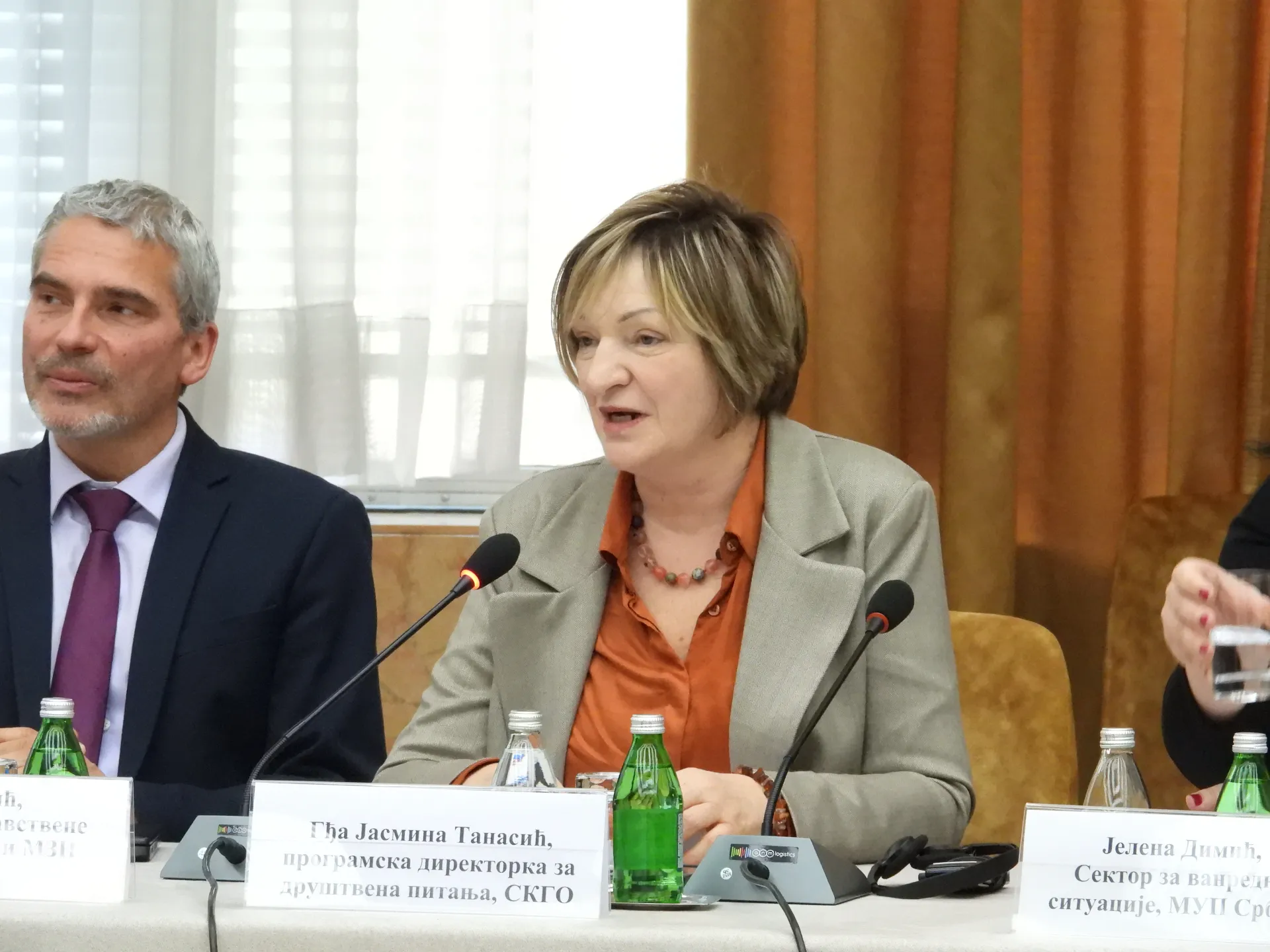
At the Palace of Serbia in Belgrade, on 4 February 2026, a conference was held to present Public Health Emergency Response Plans. The activity was financed by the European Union and implemented within the project “EU for the Health System of Serbia”, carried out by the Ministry of Health in cooperation with the World Health Organization (WHO) and the United Nations Development Programme (UNDP). The conference was organized by WHO in cooperation with the Ministry of Health, the Institute of Public Health of Serbia “Dr Milan Jovanović Batut”, and the Standing Conference of Towns and Municipalities (SCTM).
The activity aimed to strengthen the capacities of local self-government units to respond to public health threats through the development of emergency response plans in line with WHO methodology. As a result, plans were developed in 94 cities and municipalities, and local self-governments produced a total of 283 operational planning documents addressing priority public health risks.
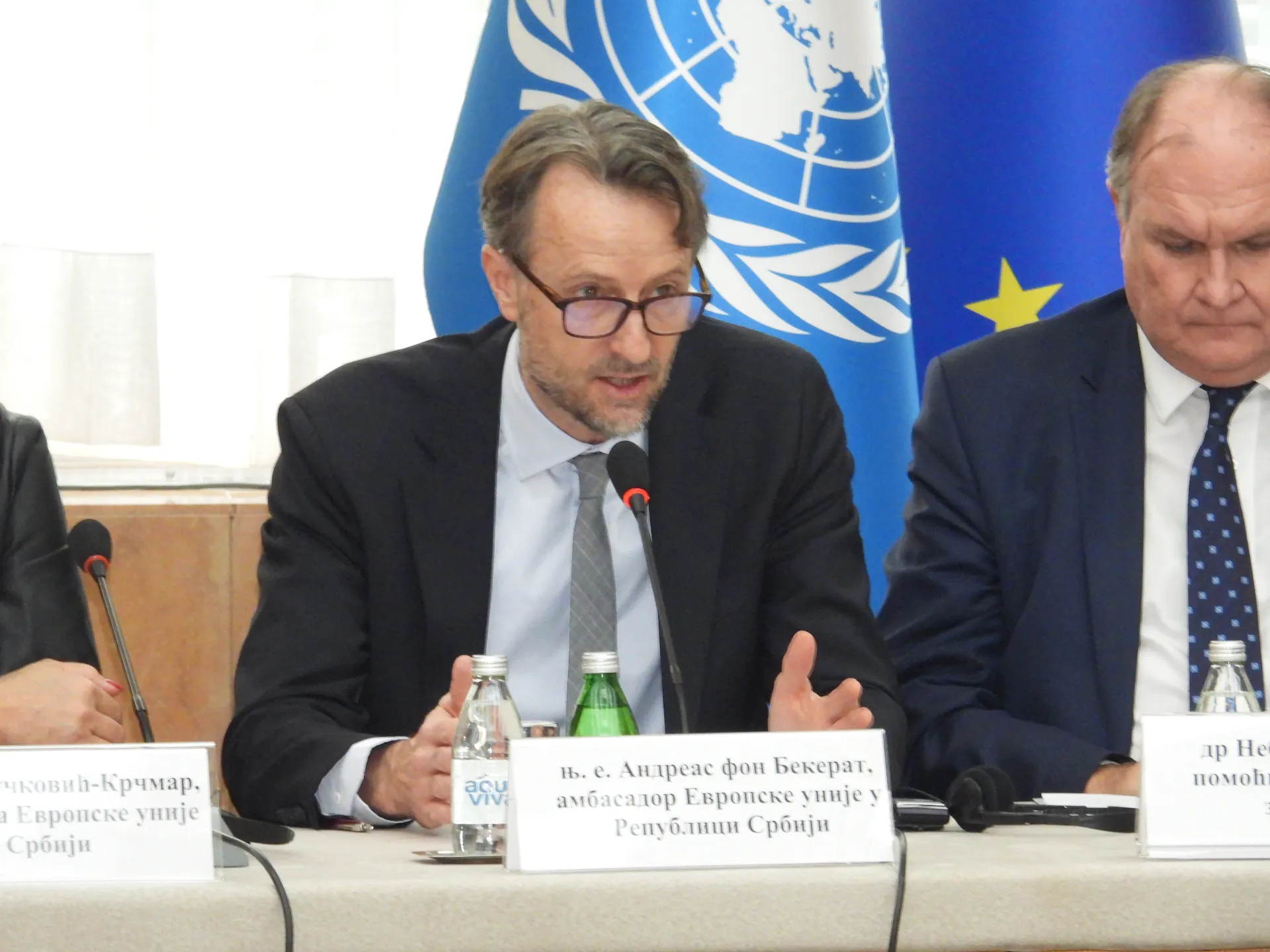
The Ambassador of the European Union to Serbia, Andreas von Beckerath, highlighted the importance of strengthening local response capacities in crisis situations, stressing that local communities are the first line of response to health threats.
“Through this project, 94 municipalities across the country now have something they did not have before – clear and practical plans for responding to public health emergencies. These plans are not abstract documents; they are based on real risk assessments and clearly define who does what, when and how. When put into practice, these documents save lives,” said von Beckerath.
Assistant Minister of Health Prof. Dr Nebojša Tasić emphasized that supporting local self-governments in strengthening their capacity to respond to public health threats is one of the key responsibilities of the health system.
“During 2025, support was provided to 94 municipalities in developing emergency response plans for specific public health threats identified as predominant in their territories. The plans follow a universal structure applicable to all types of crisis situations and enable coordinated action by the health system and other sectors,” said Tasić.
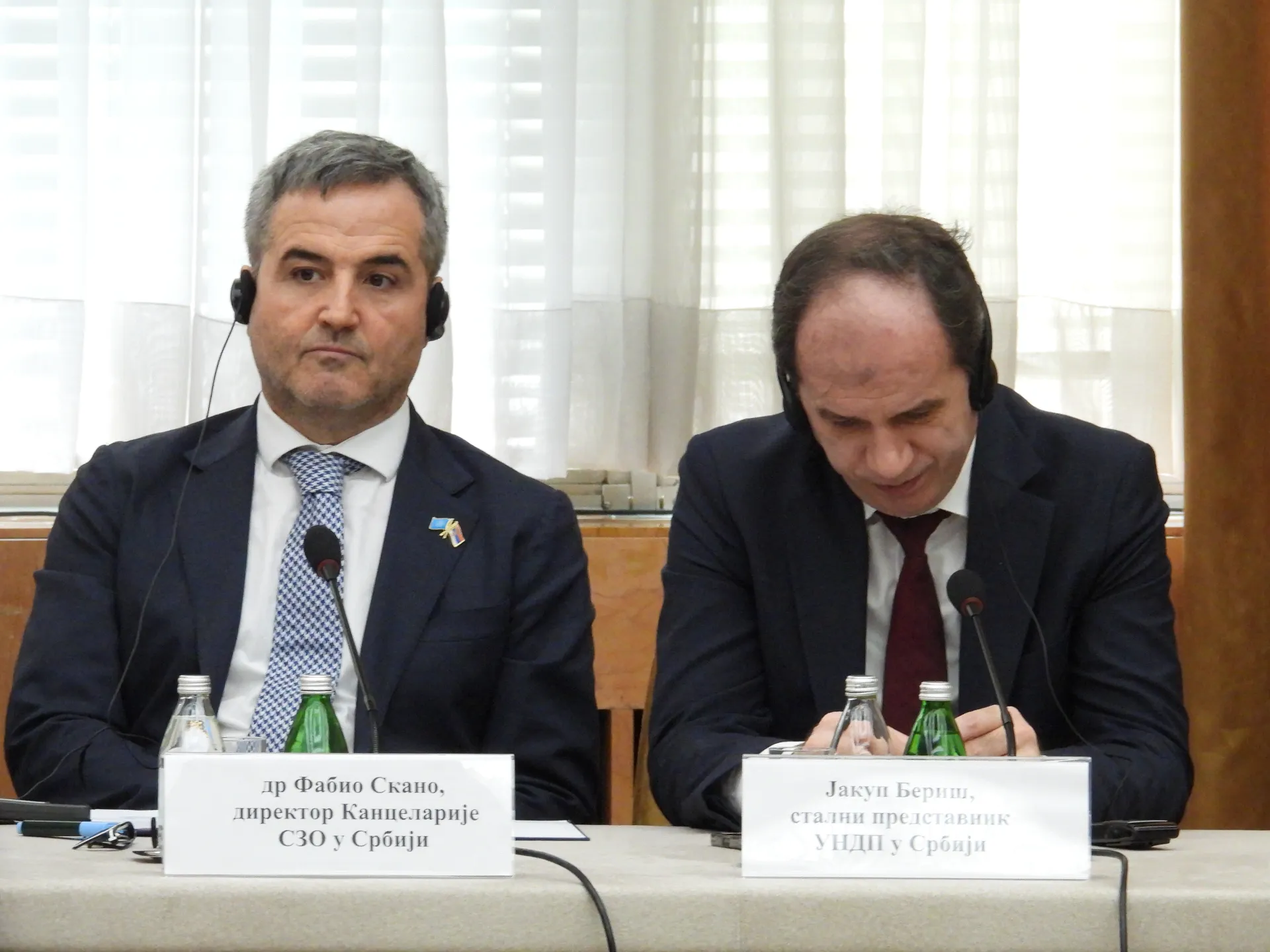
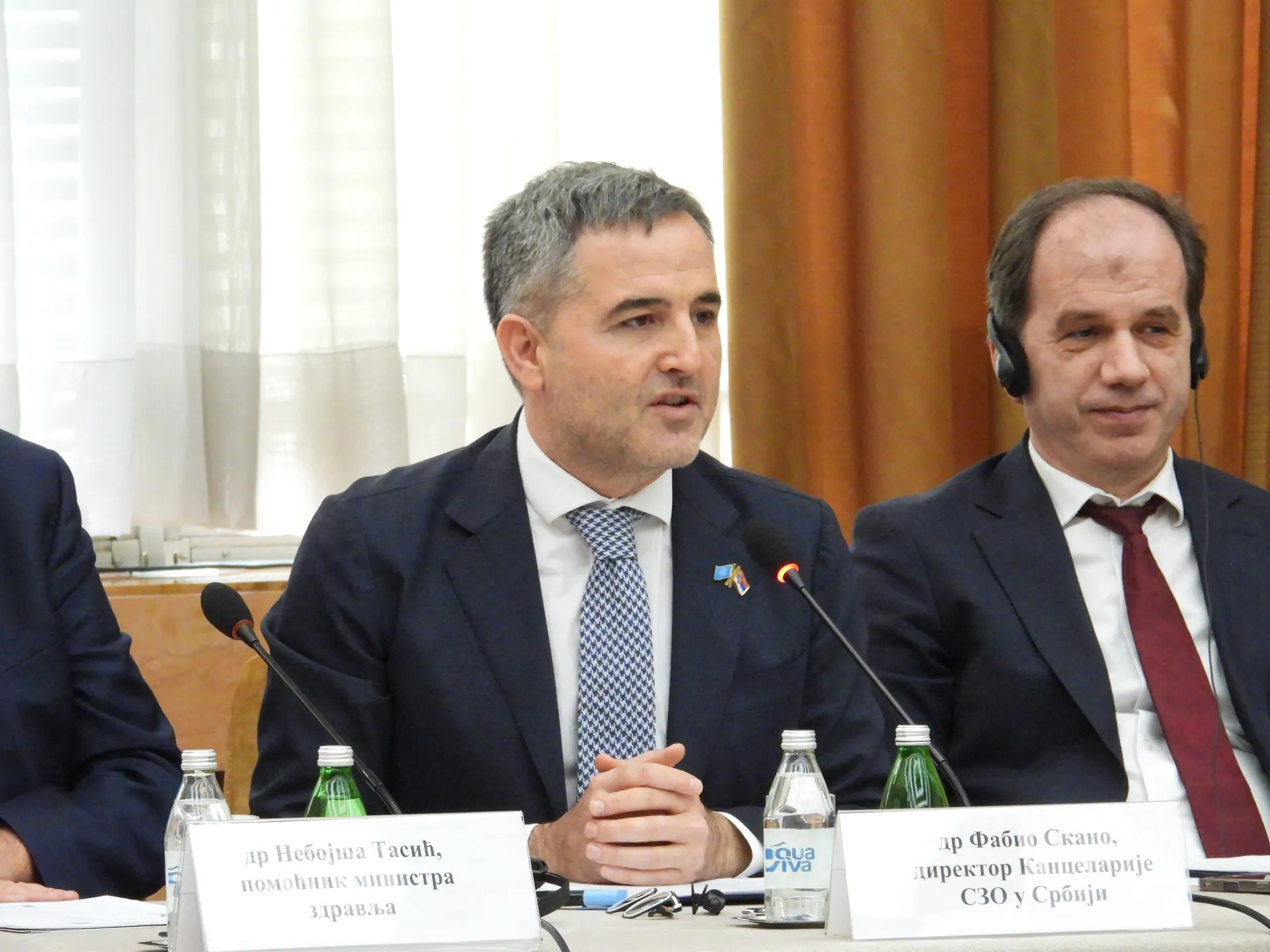
Director of the WHO Office in Serbia, Dr Fabio Skano, underlined the importance of local-level planning in public health, noting that different communities face different health risks.
“Preparedness is not optional – it is essential because it saves lives. Without a strong local response, there can be no strong national response, and therefore no regional or global health security,” stated Skano.
The UNDP Resident Representative in Serbia, Jakup Beriš, emphasized that the plans mark an important step towards integrating public health and disaster risk management systems.
“Ninety-four emergency response plans represent a significant milestone, as they integrate public health and disaster risk management into a single framework, enabling better planning and timely decision-making in crisis situations,” said Beriš.
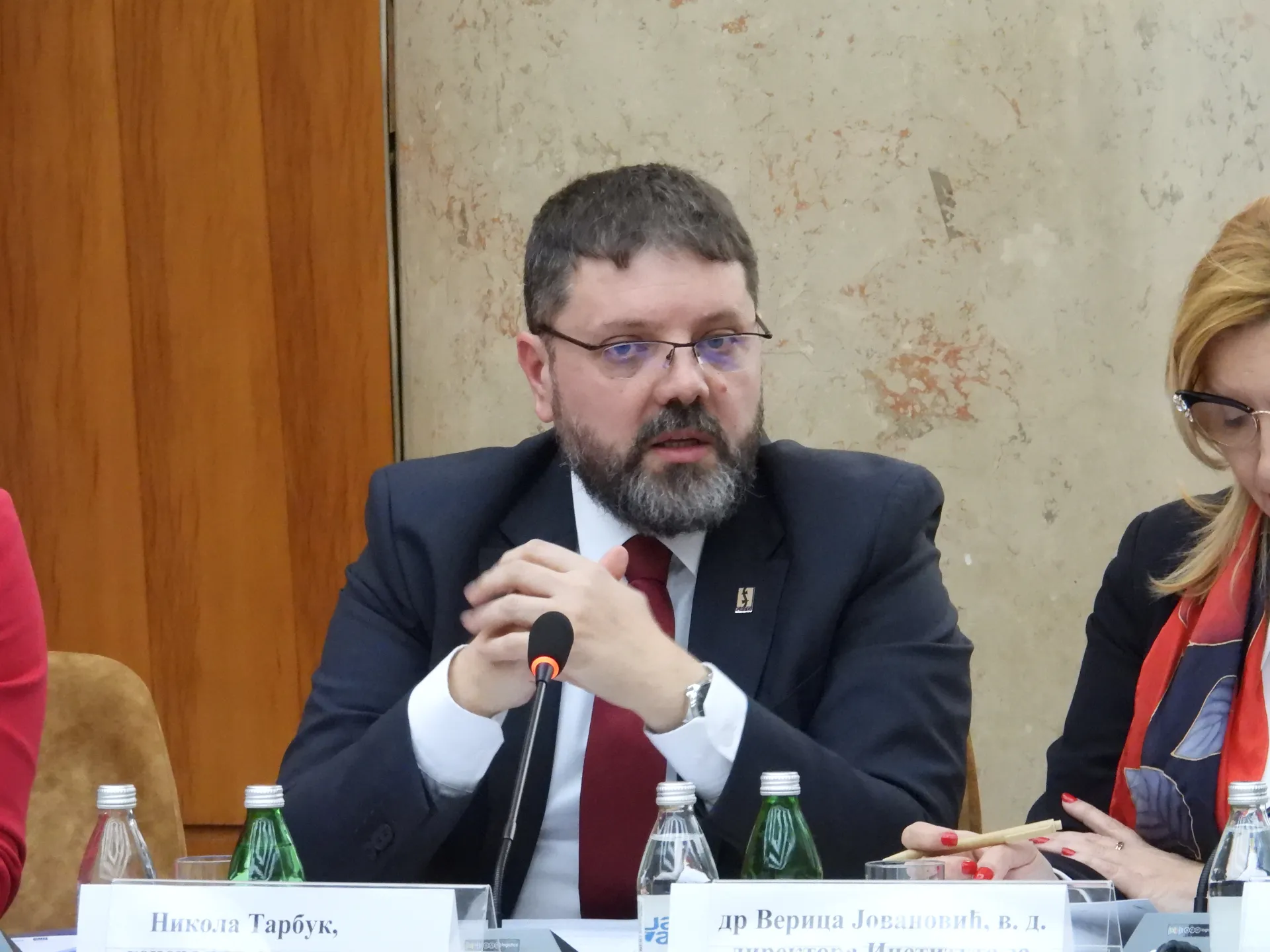
The Secretary General of SCTM, Nikola Tarbuk, stressed that public health is a key component of the safety and resilience of local communities.
“This project has demonstrated the importance of building public health and crisis management systems together, in a structured and locally driven manner. Cities and municipalities have received not only documents, but practical tools that strengthen their resilience and response capacity,” said Tarbuk. He added that the plans were developed through intensive intersectoral cooperation and form an important part of the local protection and rescue system. “A total of 283 plans were developed, covering around 85 percent of the population of the Republic of Serbia. These plans serve as clear and operational roadmaps, defining who does what and at what stage when responding to public health threats,” Tarbuk concluded.
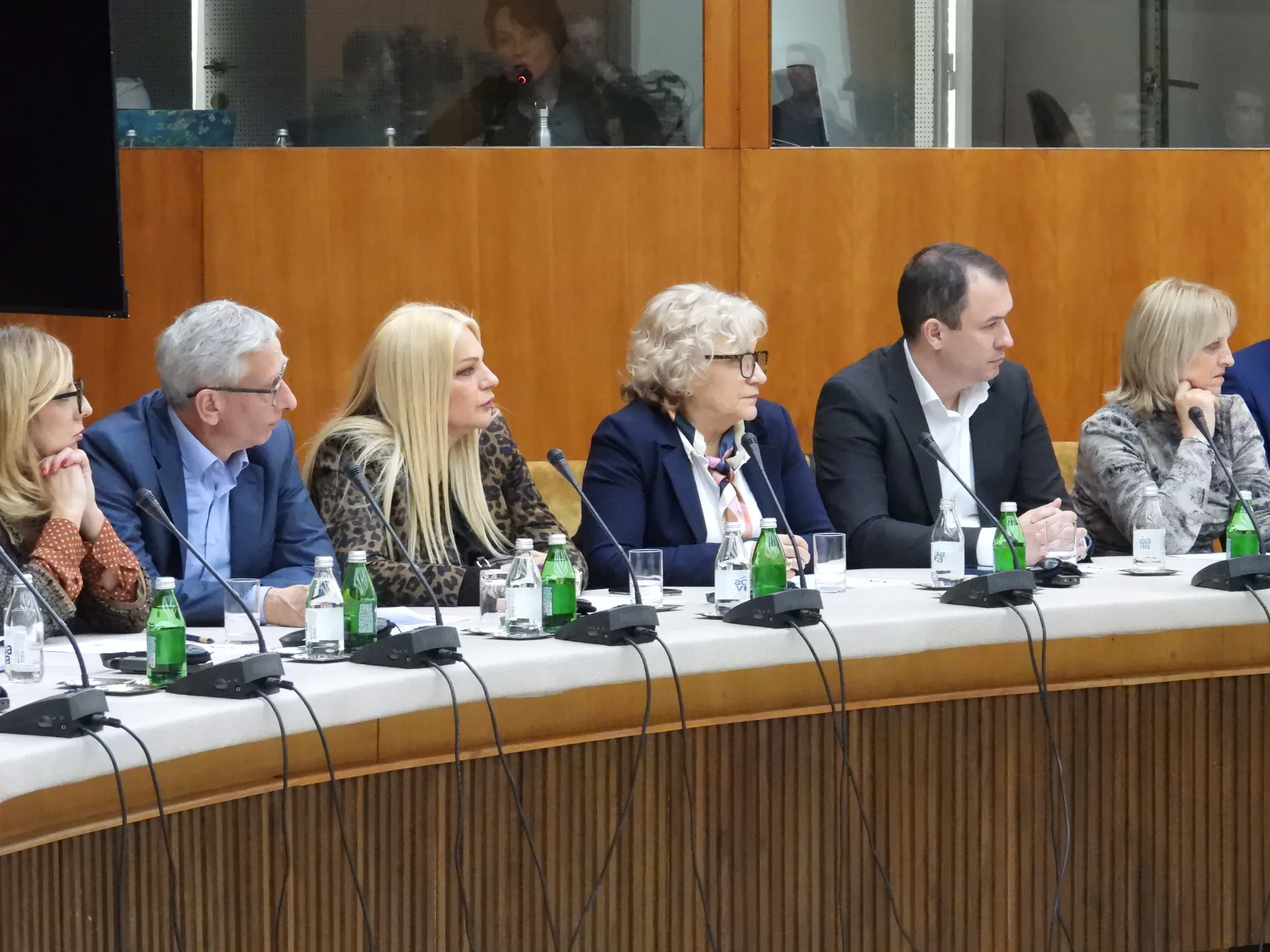
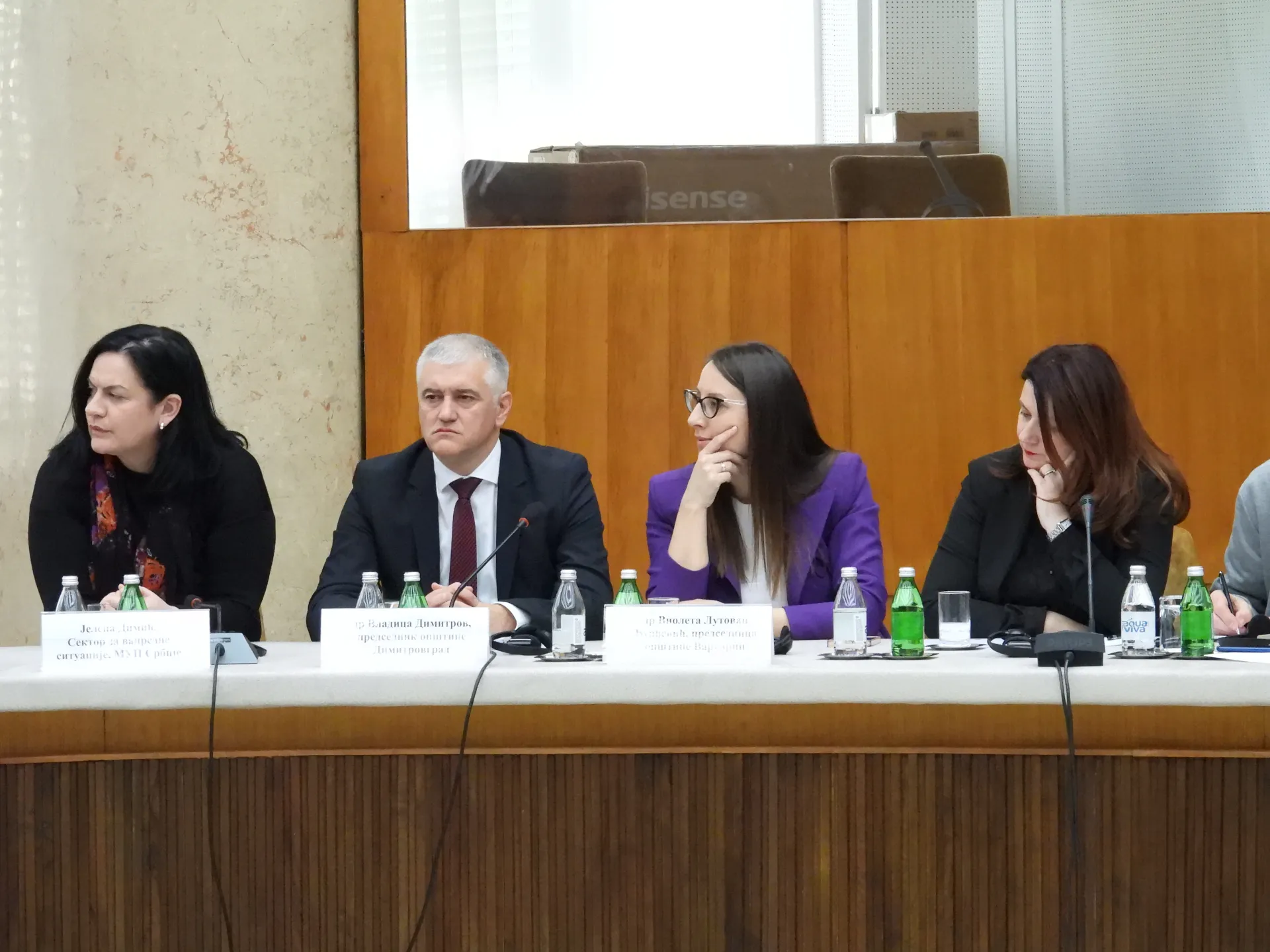
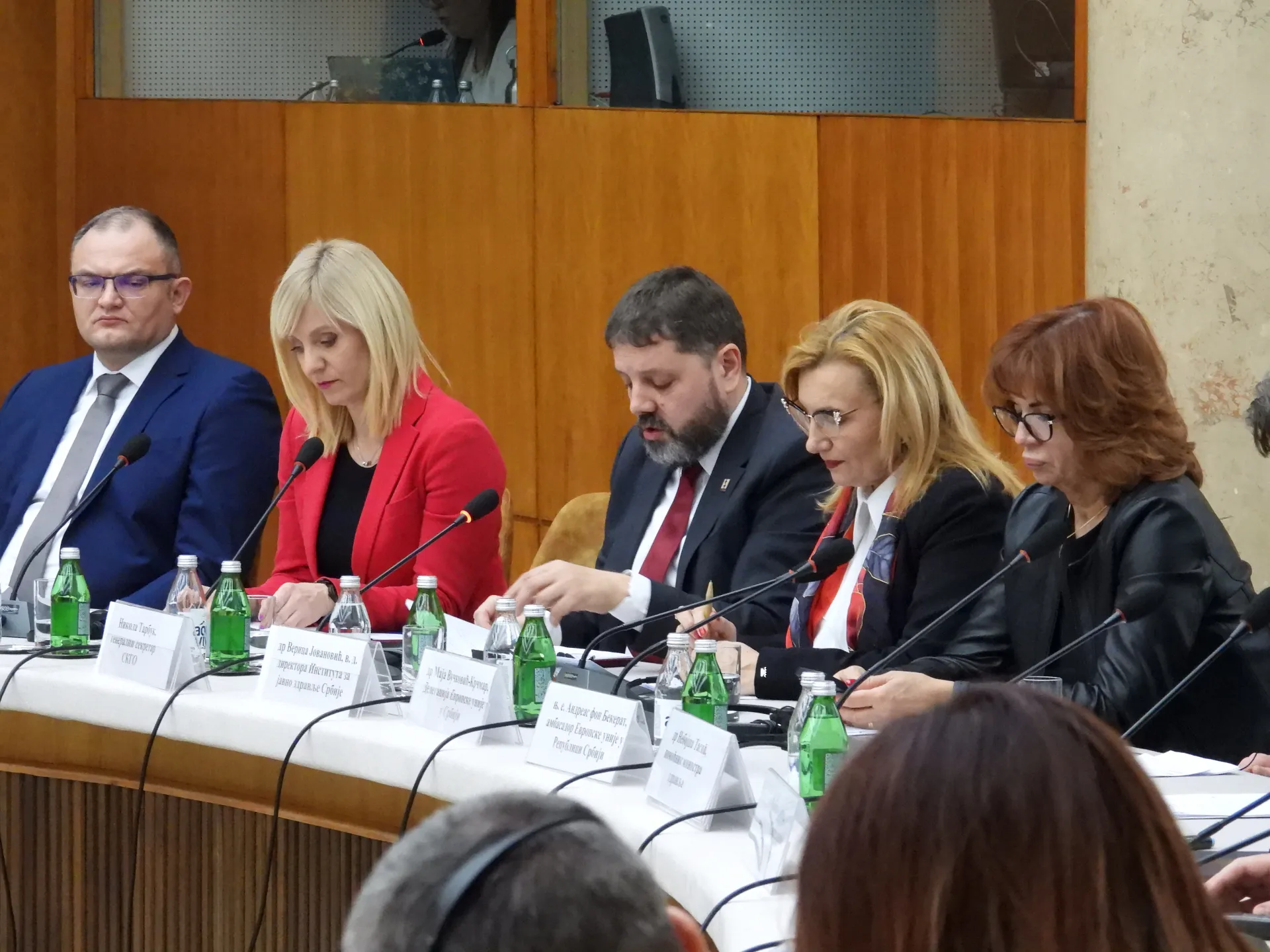
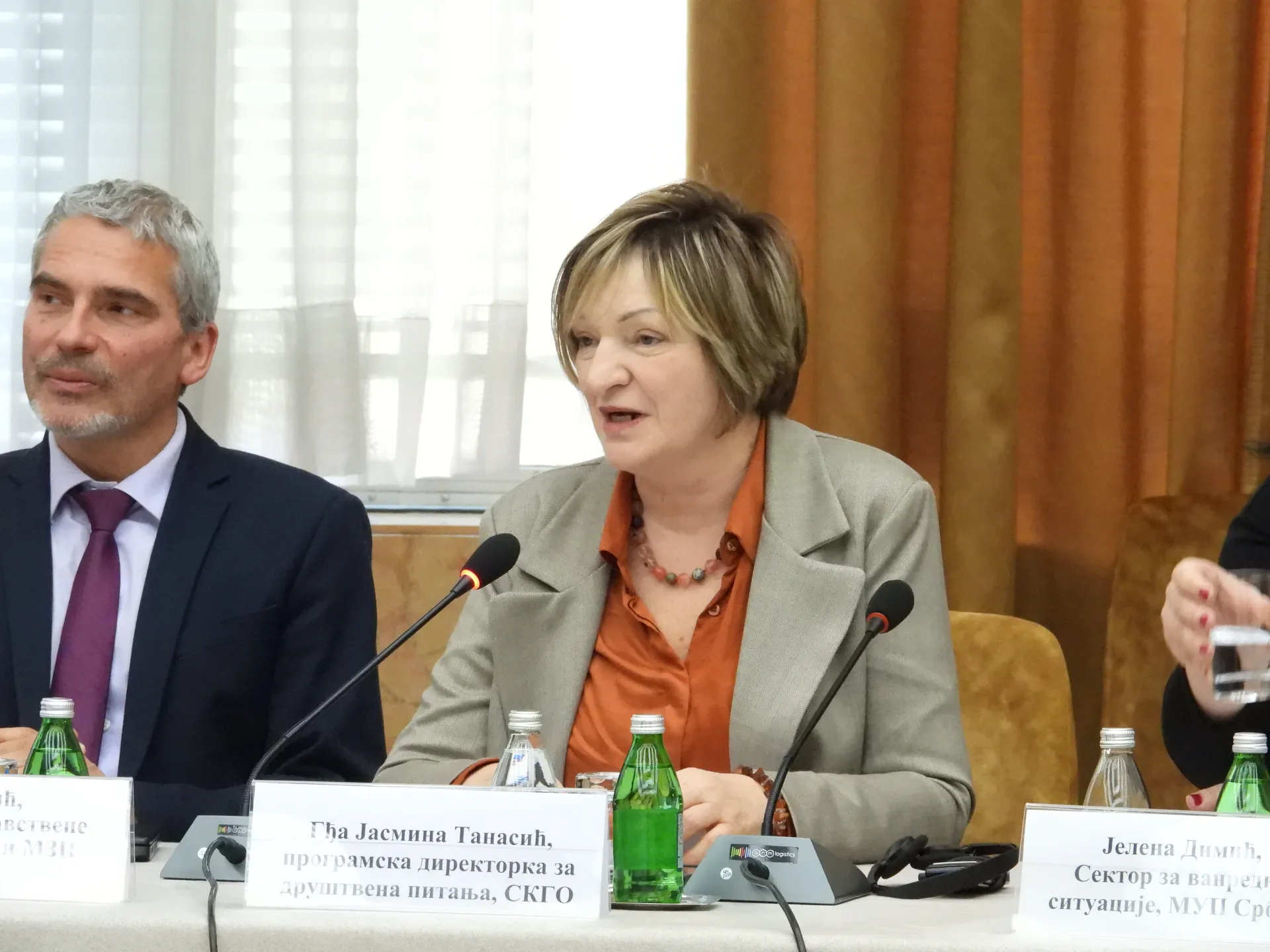
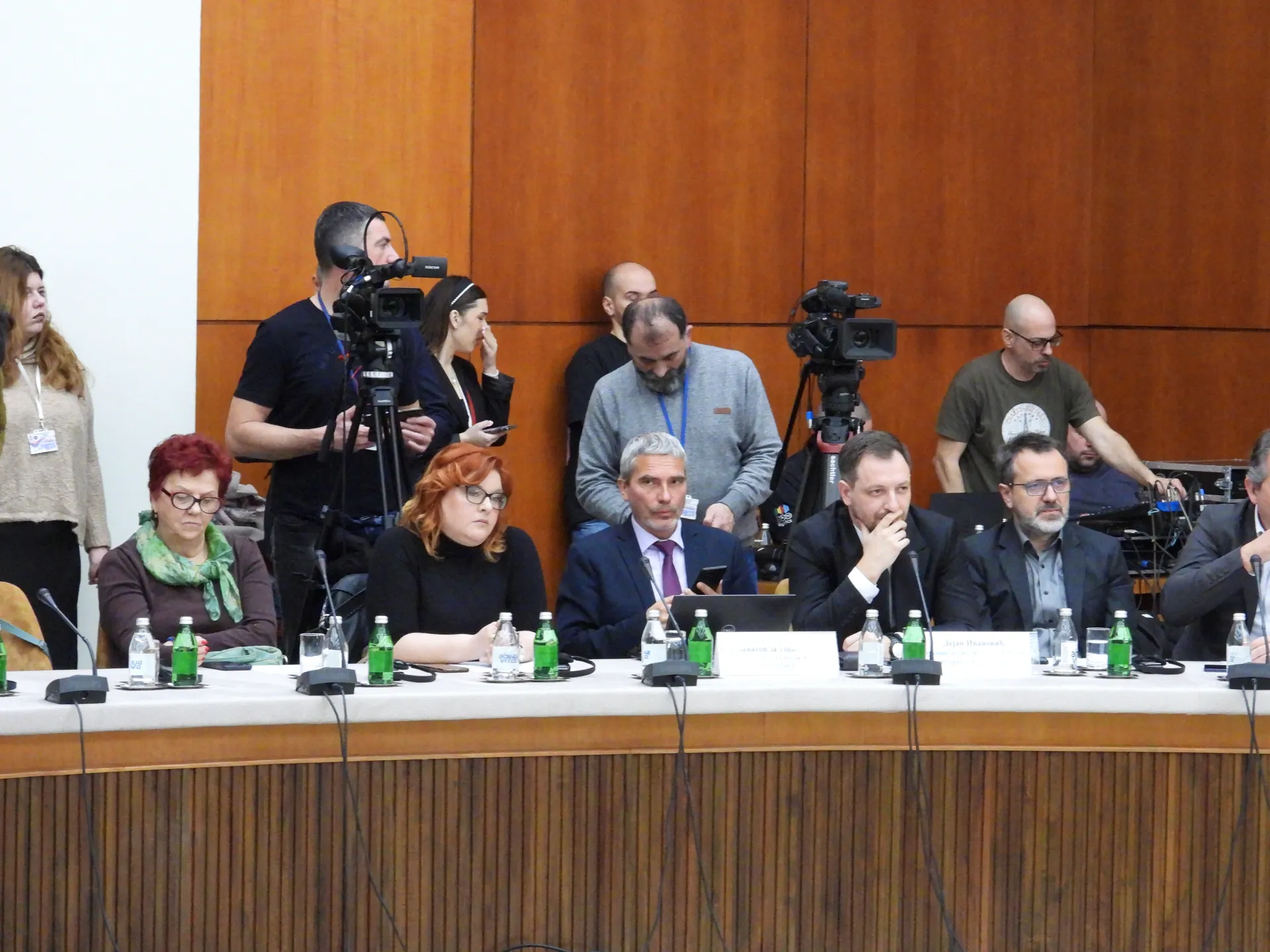
During the conference, panel discussions focused on the importance of public health planning in crisis situations, as well as on the practical implementation of the plans at the local level. Representatives of public health institutions, local self-governments and relevant state authorities exchanged experiences and examples of good practice in strengthening local response systems.